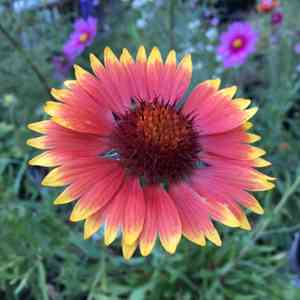
Bandanna daisy (Gaillardia coahuilensis)
Also known as: Coahuila Blanketflower
The bandanna daisy (Tetraneuris scaposa) is a hardy perennial that thrives in dry, rocky areas, such as those found in Coahuila, Mexico. This striking wildflower features bright yellow petals surrounding a central burgundy disk. Adapted to arid conditions, its foliage is tough and sun-loving, flourishing under intense sunlight. The plant blooms from late spring to late summer, attracting various pollinators.
In This Article
Attributes of Bandanna daisy
Lifespan
Perennial
Plant Height
30-60 cm
Spread
20-50 cm
Leaf Color
Grey-green
Flower Size
4-6 cm
Flower Color
Red, orange, yellow
Images of Bandanna daisy
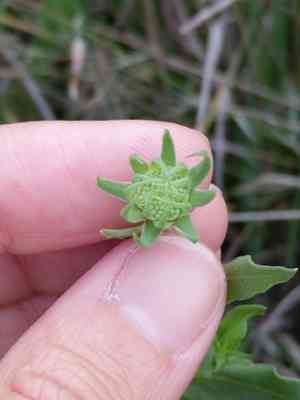
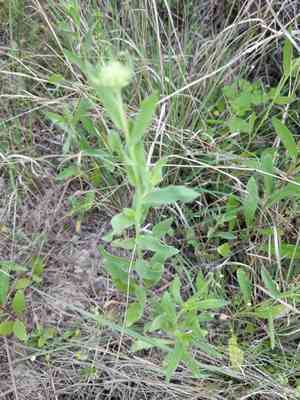
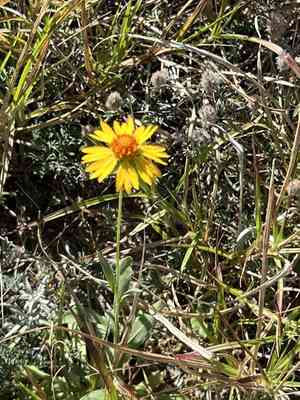
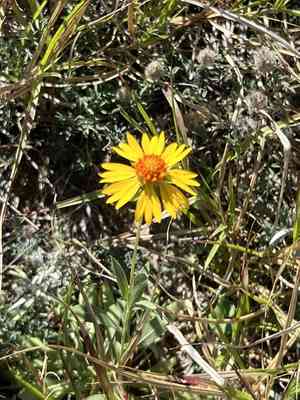
Quickly Identify Bandanna daisy
1
Gaillardia coahuilensis can be identified by its bright, typically red or orange ray florets with a yellow outer edge and a distinctive central disk, combined with its hairy, grey-green leaves.
Scientific Classification of Bandanna daisy
Phylum
Vascular plants
Class
Dicotyledons
Order
Asterales
Family
Daisy
Genus
Blanket flowers
Species
Bandanna daisy
Planting and Growing of Bandanna daisy
Care Difficulty
Easy
Watering Schedule
Every 4 days
Sunlight Requirements
Full sun
Sunshine Duration
4-8 hours
Ideal Temperature
60-80℉
Soil Type
Potting Mix, Peat Mix
Soil pH
6.5-7.5
Fertilizer Type
Balanced
Pruning Season
Spring, Summer
Pruning Area
Branches, Leaves
Pruning Frequency
2 times a year
Repotting Season
Spring
Pot Type
Plastic, Terracotta
 How to Water Bandanna daisy?
Gaillardia coahuilensis thrives when its soil is kept moderately moist. Water the plant until the top inch of soil is damp, allowing excess to drain. Aim for a consistent 250 ml per watering session.
What are the symptoms of an underwatered Bandanna daisy?
›
What should I do if my Bandanna daisy is not getting enough water?
›
What are the symptoms of an overwatered Bandanna daisy?
›
How to save an overwatered Bandanna daisy?
›
 What Are the Sunlight Requirements for Bandanna daisy?
Gaillardia coahuilensis prefers full sun conditions, benefiting from bright light to facilitate healthy growth and strong, vibrant blooms.
What is the best lighting condition for Gaillardia coahuilensis?
›
How to achieve ideal lighting for Gaillardia coahuilensis?
›
What benefits does Gaillardia coahuilensis get from ideal light exposure?
›
 What Is the Ideal Temperature Range for Bandanna daisy?
The ideal temperature range for Gaillardia coahuilensis is between 60°F and 80°F. This range provides a balanced environment that supports photosynthesis and other physiological processes vital for healthy growth. Temperatures within this range allow the plant to thrive without undergoing stress that could impede its development.
 What Soil is Best for Bandanna daisy?
Gaillardia coahuilensis thrives in well-drained soils, ensuring that its roots do not sit in water for extended periods. This prevents root rot and encourages healthy plant growth. A balanced mix that includes organic matter helps in providing essential nutrients. This contributes to vibrant blooms and robust plant health, accentuating its colorful display. This plant does best in moderately fertile soils that are not overly rich. Proper fertility levels promote strong blooms and prevent leggy growth and reduced flowering.
 How to Fertilize Bandanna daisy?
Gaillardia coahuilensis plants thrive with moderate fertilization. It's crucial to apply about one tablespoon of balanced 10-10-10 liquid fertilizer diluted to half strength per plant. This ensures they obtain enough nutrients without risk of over-fertilizing, which can harm these sun-loving blooms.
 How to Prune Bandanna daisy?
Start by identifying wilted, dead, or discolored blooms, stems, and leaves. Pinch off these dead blooms at the base to prevent seed production and to encourage more flowers to bloom. Also, inspect for any stems that appear too long or uneven. Trim back longer stems to maintain a round and compact shape. If stems are becoming leggy or the plant is growing unevenly, cut back to a healthy leaf joint to maintain balance and create a more attractive appearance. After pruning diseased or damaged elements and shaping the plant, focus on cutting back overgrown areas to allow light and air to reach the inner parts of the plant. This will stimulate new growth and lead to a fuller, bushier appearance.
More About Pruning Techniques→
 How to Propagate Bandanna daisy plant?
1
Fill the seed tray with the sterilized potting mix. Ensure it is evenly distributed and lightly pat it down to create a smooth surface, leaving about an inch from the top.
2
Scatter Gaillardia coahuilensis seeds evenly over the soil surface. Cover them lightly with a thin layer of additional soil, barely 1-2 millimeters, to allow sunlight to facilitate germination.
3
Moisten the soil gently with water, ensuring it's evenly damp but not waterlogged. Use a spray bottle to prevent washing away the seeds. Check daily to maintain consistent moisture.
 How to Repot Bandanna daisy plant?
1
Gaillardia coahuilensis shows signs that it's time for repotting when its roots start to grow out of the drainage holes or if the growth of the plant appears stunted. Spring or early summer is ideal since the plant's growth phase allows it to recover and establish effectively in the new pot. Be mindful of the season, as repotting during the dormant winter months can stress the plant unnecessarily.
2
The ideal pot for repotting Gaillardia coahuilensis should be one size larger than the current pot, ensuring more space for root expansion. Choose a pot with adequate drainage holes to prevent waterlogging, which can lead to root rot. A terracotta pot is a good choice, as its porous nature aids in maintaining an optimal moisture level by allowing excess moisture to evaporate.
3
Selecting well-draining, sandy soil is crucial for Gaillardia coahuilensis. This type of soil ensures that water doesn't accumulate, which could cause root rot, while providing the arid conditions the plant naturally thrives in. Improving soil with added gravel or perlite can enhance drainage, ultimately promoting healthier growth and vibrant blooming.



