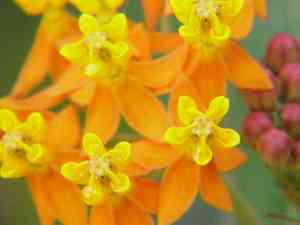
Fringed twinevine (Funastrum cynanchoides)
Also known as: Climbing milkweed, Fringed climbing milkweed
Fringed twinevine (Funastrum cynanchoides) is a climbing plant commonly found in the Mojave and Sonoran Deserts of North America. It typically thrives along the perimeters of dry desert washes.
Attributes of Fringed twinevine
Images of Fringed twinevine
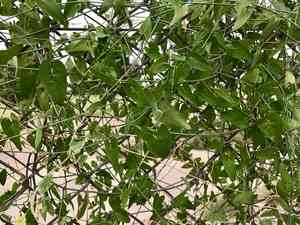
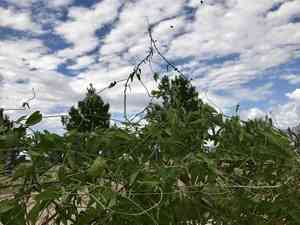
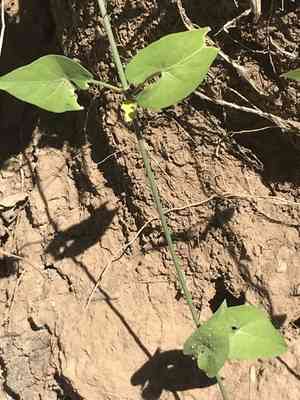
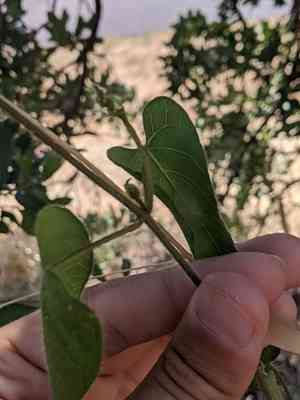
Quickly Identify Fringed twinevine
Scientific Classification of Fringed twinevine
Planting and Growing of Fringed twinevine
 How to Water Fringed twinevine?
 What Are the Sunlight Requirements for Fringed twinevine?
 What Is the Ideal Temperature Range for Fringed twinevine?
 What Soil is Best for Fringed twinevine?
 How to Fertilize Fringed twinevine?
 How to Prune Fringed twinevine?
 How to Propagate Fringed twinevine plant?
 How to Repot Fringed twinevine plant?
Toxicity of Fringed twinevine
Is Fringed twinevine toxic to humans?
Fringed twinevine poses poisoning risks through both ingestion and skin contact. The harmful substances reside within the milky sap present in the plant's leaves and stems. The effects of poisoning can be quite severe. Consuming the toxin, which is a cardiac glycoside, may disrupt the heart's electrolyte equilibrium. Additionally, the sap has a repulsive odor, and any skin contact can lead to irritation. Once on the skin, the sap can be challenging to remove.



