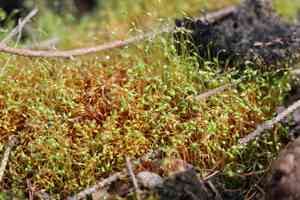
Funaria moss (Funaria hygrometrica)
Also known as: Cord moss
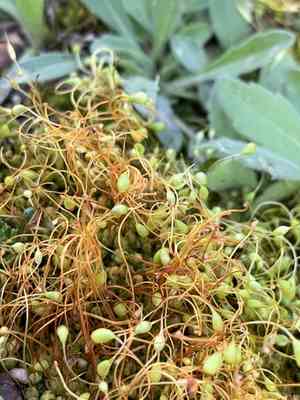
Funaria moss, scientifically known as Funaria hygrometrica, is commonly found in container gardens across the northern hemisphere. It often appears in areas recently affected by fire, where it can grow in nutrient-poor soil. The Latin name "Funaria" is derived from "funis," meaning "rope," which reflects the twisted, rope-like appearance of its stalks, especially in response to humidity.
In This Article
Attributes of Funaria moss
Lifespan
Annual
Plant Type
Moss
Plant Height
1.3 cm
Spread
Not applicable
Leaf Color
Green
Flower Size
Not applicable
Flower Color
Not applicable
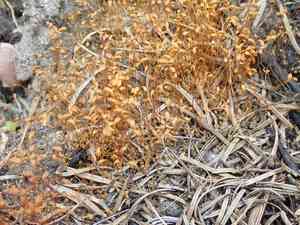
Images of Funaria moss
Quickly Identify Funaria moss
1
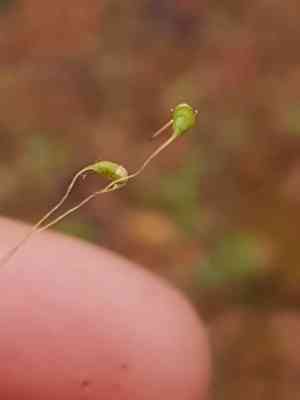
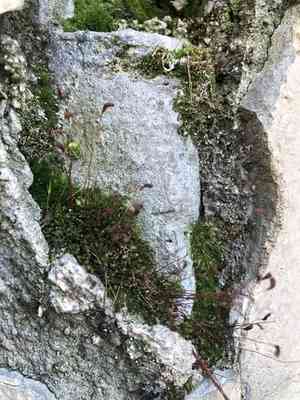
Identifying Funaria hygrometrica involves looking for its characteristic twisted seta that extends from the top of its capsule. The capsule itself is pear-shaped with a lid that eventually falls off. Under a microscope, the leaves show a single layer of cells with long, pointy tips.
Scientific Classification of Funaria moss
Phylum
Mosses
Class
True mosses
Order
Funariales
Family
Funariaceae
Genus
Funaria moss
Species
Funaria moss
Planting and Growing of Funaria moss
Care Difficulty
Easy
Watering Schedule
Every 2 days
Sunlight Requirements
Partial sun
Sunshine Duration
4-6 hours
Ideal Temperature
60-75℉
Soil Type
Potting Mix, Peat Mix
Soil pH
6.5-7.5
Fertilizer Type
Balanced
Pruning Season
Spring, Summer
Pruning Area
Branches, Leaves
Pruning Frequency
Once a year
Repotting Season
Spring
Pot Type
Plastic, Ceramic
 How to Water Funaria moss?
Funaria hygrometrica requires careful attention to its moisture levels. The key is to keep the substrate moist but not waterlogged. Water with around 100 ml until the substrate is evenly damp, ensuring excess water drains out.
What are the symptoms of an underwatered Funaria moss?
›
What should I do if my Funaria moss is not getting enough water?
›
What are the symptoms of an overwatered Funaria moss?
›
How to save an overwatered Funaria moss?
›
 What Are the Sunlight Requirements for Funaria moss?
Funaria hygrometrica thrives in partial sun or full shade conditions, ensuring it receives gentle morning or late afternoon sun. This optimal light balance promotes healthy growth and maintains its lush appearance.
What is the ideal location for Funaria hygrometrica?
›
How to manage lighting conditions if the surroundings change?
›
What is the importance of consistent lighting for Funaria hygrometrica?
›
 What Is the Ideal Temperature Range for Funaria moss?
The ideal temperature range for growing Funaria hygrometrica is between 60°F and 75°F. In this temperature range, the plant can photosynthesize efficiently, leading to optimal growth and development. Maintaining this temperature helps ensure the moss is healthy and resilient, providing the most favorable environment for its delicate structures.
 What Soil is Best for Funaria moss?
Funaria hygrometrica thrives in soil that retains moisture effectively. This property allows the moss to maintain adequate hydration, crucial for its growth and photosynthesis, especially in fluctuating environmental conditions. The soil should offer essential nutrients to support the moss's metabolic functions. Since Funaria hygrometrica is not highly demanding, a moderately fertile soil, such as loam, is ideal for ensuring that it receives sufficient nutrients for healthy development. Well-aerated soil encourages root and rhizoid development, important for Funaria hygrometrica's anchorage and nutrient absorption. Proper aeration also prevents root suffocation and fosters a healthier growth environment.
 How to Fertilize Funaria moss?
For Funaria hygrometrica, it is important to use significantly diluted fertilizer solutions to avoid overwhelming the delicate moss structure. Utilize a liquid fertilizer solution diluted to about one-quarter of the strength recommended for houseplants. Ensure that the solution is evenly distributed across the moss surface to promote uniform growth.
 How to Prune Funaria moss?
Start by identifying any dead or damaged parts of the Funaria hygrometrica. Use your sanitized tools to carefully cut away these areas, making sure to cut just above healthy growth to encourage regeneration. Trim back overgrown areas to maintain a balanced shape. This will not only enhance its aesthetic appeal but also allow light and air to penetrate all areas, supporting overall plant health. Although Funaria hygrometrica is hardy, avoid heavy pruning during extreme heat to minimize stress. Prune in the cooler parts of the morning or late afternoon for best results. During your monthly pruning schedule, inspect the moss for signs of pests or disease. Early detection facilitates easier management and prevents spreading to other plants.
 How to Propagate Funaria moss plant?
1
Collect mature capsules from Funaria hygrometrica during optimal conditions, capturing the released spores on trays or paper. Ensure the collection process avoids contamination and that the environmental conditions are dry to facilitate easy spore release.
2
Prepare a clean, humus-rich substrate such as peat or sphagnum moss. The substrate should be moist but not waterlogged, and it should be sterilized to prevent the growth of unwanted organisms that might compete with Funaria spores.
3
Evenly distribute the spores on the prepared substrate surface. Ensure that the environment is humid and consistently mist with water to keep the growing medium moist, facilitating ideal conditions for spore germination and gametophyte development.
 How to Repot Funaria moss plant?
1
Funaria hygrometrica shows signs for repotting when growth slows, the plant becomes pot-bound, or when the soil quality diminishes. It's best to repot during spring or autumn when growth conditions are ideal, ensuring the moss receives ample nutrients and space to thrive.
2
Select a shallow pot with good drainage to replicate the moss's natural habitat. A terracotta pot works wonderfully as it allows for breathability and prevents waterlogging, which is essential for maintaining the delicate moisture balance.
3
Opt for a rich, organic peat-based soil that retains moisture yet drains well. This soil type mimics the natural environment of Funaria hygrometrica, promoting optimal growth and preventing root rot by balancing water retention and aeration.

