Fine-leaved fumitory (Fumaria parviflora)
Also known as: Small-flowered Fumitory
Fine-leaved fumitory, a scrambling annual herb, generally flowers in late spring and early summer. It is often found in field margins, roadsides, and disturbed areas, as its natural habitats are increasingly threatened. The plant gets its name from its fine, delicate leaves and the smoky hue of its roots.
In This Article
Attributes of Fine-leaved fumitory
Lifespan
Annual
Plant Type
Herb
Plant Height
10 cm to 60 cm
Spread
N/A
Leaf Color
Green
Flower Size
6 mm
Flower Color
White Pink Purple
Images of Fine-leaved fumitory
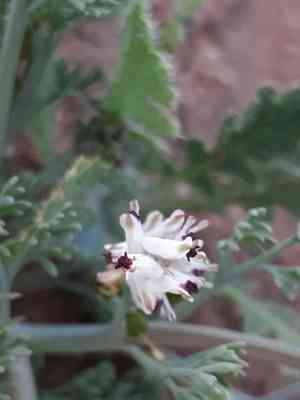
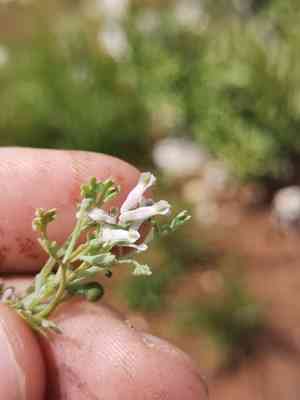
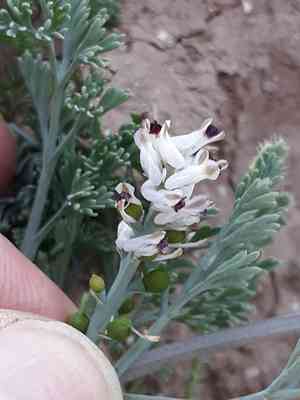
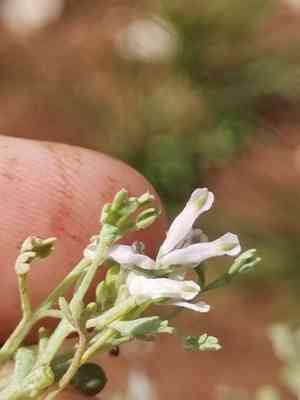
Quickly Identify Fine-leaved fumitory
1
Identify Fumaria parviflora by its finely divided, feathery leaves and small tubular flowers, which are usually pink or white with a dark tip. The flowers are less than 1 cm long and are arranged in loose clusters.
Scientific Classification of Fine-leaved fumitory
Phylum
Vascular plants
Class
Dicotyledons
Order
Ranunculales
Family
Poppy
Genus
Fumitory
Species
Fine-leaved fumitory
Planting and Growing of Fine-leaved fumitory
Care Difficulty
Easy
Watering Schedule
Every 2 days
Sunlight Requirements
Partial sun
Sunshine Duration
6-10 hours
Ideal Temperature
60-75℉
Soil Type
Potting Mix, Peat Mix
Soil pH
6.5-7.5
Fertilizer Type
Balanced
Pruning Season
Spring, Summer
Pruning Area
Branches, Leaves
Pruning Frequency
2 times a year
Repotting Season
Spring
Pot Type
Plastic, Terracotta
 How to Water Fine-leaved fumitory?
Fumaria parviflora, also known as Smallflower Fumewort, requires moderate watering. Each time you water, aim to provide about 200 milliliters of water. Ensure the water reaches the root zone adequately. The soil should be kept slightly moist but not soggy. Allow the top inch of the soil to dry out between waterings to prevent root rot.
What are the symptoms of an underwatered Fine-leaved fumitory?
›
What should I do if my Fine-leaved fumitory is not getting enough water?
›
What are the symptoms of an overwatered Fine-leaved fumitory?
›
How to save an overwatered Fine-leaved fumitory?
›
 What Are the Sunlight Requirements for Fine-leaved fumitory?
Partial sun exposure in a partially shaded area prevents sunburn and supports healthy leaf and flower development, enhancing Fumaria parviflora's ornamental qualities.
What is the ideal amount of sunlight?
›
How to achieve ideal lighting conditions?
›
Benefits of getting ideal sunlight?
›
 What Is the Ideal Temperature Range for Fine-leaved fumitory?
The ideal temperature range for cultivating Fumaria parviflora is between 60°F and 75°F. These temperatures provide a stable environment that encourages optimal growth and development, facilitating both photosynthesis and nutrient absorption.
 What Soil is Best for Fine-leaved fumitory?
Fumaria parviflora thrives best in well-drained soils that promote root aeration, preventing waterlogging which can lead to root rot. This ensures healthy growth and robust flowering. The plant benefits from a balanced mix of essential nutrients in the soil, particularly nitrogen and phosphorus, which support vigorous growth and higher resistance to diseases. Maintaining moderate soil moisture is crucial for this plant as it prefers neither too dry nor overly wet conditions, aiding in optimal growth and blooming.
 How to Fertilize Fine-leaved fumitory?
Fumaria parviflora benefits from a balanced fertilization regimen. Typically, applying a liquid fertilizer with an N-P-K ratio of 10-10-10 at half a tablespoon per gallon of water will suffice. When using a slow-release granular fertilizer, use about 20 grams per square meter.
 How to Prune Fine-leaved fumitory?
Fumaria parviflora benefits from regular pruning to encourage bushier growth and prevent it from becoming leggy. Begin by identifying dead or damaged stems and remove them with a sharp, clean pair of scissors. This encourages the plant to focus its energy on healthier parts, leading to a more vigorous appearance. After removing dead wood, trim back any excessively long stems to maintain a balanced shape and promote a fuller canopy. When shaping Fumaria parviflora, focus on creating an even, rounded form that allows for optimal light penetration. This plant tends to grow long and lanky if left unattended, so removal of any overreaching branches is key. Use pruning shears to cut back to the nearest leaf bud, making a clean cut to avoid damaging the plant. This will stimulate the growth of new shoots at the cut points, leading to increased density and a more attractive appearance.
More About Pruning Techniques→
 How to Propagate Fine-leaved fumitory plant?
1
Fill the seed tray with fine seed compost, ensuring it is level and loose for root penetration. Moisten the soil slightly before sowing, without making it waterlogged.
2
Scatter the seeds evenly over the compost surface. Cover the seeds lightly with a thin layer of compost or vermiculite, ensuring they are not buried too deeply to facilitate effective germination.
3
Place the seed tray in a warm, sheltered spot with indirect sunlight. Maintain the temperature around 15-20°C (59-68°F) to encourage germination, which should occur within 2-3 weeks under optimal conditions.
 How to Repot Fine-leaved fumitory plant?
1
Repotting Fumaria parviflora should be considered when you notice the roots beginning to outgrow the pot and coming out of the drainage holes. Additionally, if the soil becomes compacted, affecting drainage, these are both strong indicators it's time to repot. Ideally, perform this task during spring or autumn when the plant is in its active growth phase, allowing it to recover swiftly.
2
When selecting a new pot, ensure it is at least one size larger than the current one. This gives the roots space to breathe and expand. Opt for pots with adequate drainage holes to prevent waterlogging, which could otherwise lead to root rot. Material-wise, both terracotta and plastic are effective, but terracotta offers better airflow.
3
Well-draining loamy soil is perfect for Fumaria parviflora. This soil structure promotes proper air circulation around the roots and efficient water drainage, preventing root rot. A loamy mix with organic matter is also nutrient-rich, supporting healthy growth and robust flowering.
Toxicity
Ingestion
WARNING
The judgment on toxicity and danger is for reference only. We DO NOT GUARANTEE any accuracy of such judgment. Therefore, you SHALL NOT rely on such judgment. It is IMPORTANT TO SEEK PROFESSIONAL ADVICE in advance when necessary.



