
White ramping fumitory (Fumaria capreolata)
Also known as: Ramping fumitory
The plant you're referring to is likely white ramping fumitory (Fumaria capreolata), an annual species in the poppy family. It features up to 20 blooms with creamy white petals accented by purple tips, which turn pink after pollination. In certain areas, white ramping fumitory is regarded as an invasive weed because it can overtake and smother low-growing vegetation.
Attributes of White ramping fumitory
Images of White ramping fumitory
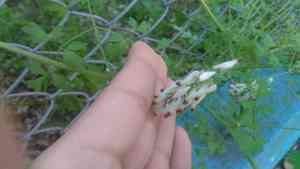


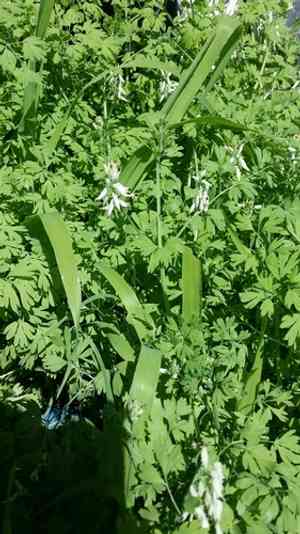
Quickly Identify White ramping fumitory
Scientific Classification of White ramping fumitory
Planting and Growing of White ramping fumitory
 How to Water White ramping fumitory?
 What Are the Sunlight Requirements for White ramping fumitory?
 What Is the Ideal Temperature Range for White ramping fumitory?
 What Soil is Best for White ramping fumitory?
 How to Fertilize White ramping fumitory?
 How to Prune White ramping fumitory?
 How to Propagate White ramping fumitory plant?
 How to Repot White ramping fumitory plant?
Toxicity of White ramping fumitory
Is White ramping fumitory toxic to humans?
White ramping fumitory exhibits a moderate degree of toxicity to humans, especially when ingested. Every part of the plant contains harmful compounds that can result in poisoning if consumed. The toxic properties of white ramping fumitory are attributed to the presence of alkaloids throughout the plant. Upon ingestion, individuals might experience various symptoms, including gastrointestinal issues such as nausea and vomiting, along with neurological effects like dizziness and headaches. It is essential for individuals to understand the potential dangers linked to the unintentional ingestion of white ramping fumitory, as all sections of the plant can cause negative health consequences.
Is White ramping fumitory toxic to cat?
White ramping fumitory possesses a moderate degree of toxicity for felines, raising concerns for those who have pets. If a cat ingests any part of this plant, it can lead to poisoning since the entirety of white ramping fumitory is harmful, containing alkaloids that contribute to its toxic characteristics. After consumption, a cat may show indications of physical distress, demonstrating the negative impact of the toxin. Given that these situations can worsen, it is crucial for cat owners to obtain prompt veterinary assistance to safeguard their pet's health and well-being.
Is White ramping fumitory toxic to dog?
White ramping fumitory presents a moderate toxicity risk to dogs. Canines may inadvertently ingest various parts of this plant, which could lead to poisoning. The entire plant is toxic, and if ingested, it may cause an array of symptoms suggestive of poisoning. Pet owners should be alert for indicators such as gastrointestinal disturbances, lethargy, or atypical behaviors that might hint at the consumption of white ramping fumitory. If a dog has consumed this plant, it is crucial to seek prompt veterinary assistance to secure the best possible outcome for the animal.



