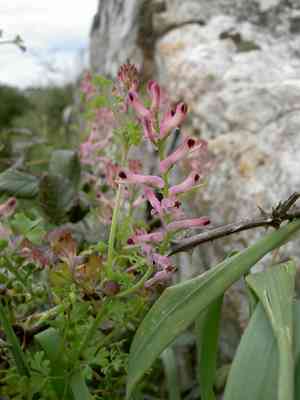
Tall ramping fumitory (Fumaria bastardii)
Also known as: Bastard Fumitory, Tall Ramping Fumitory
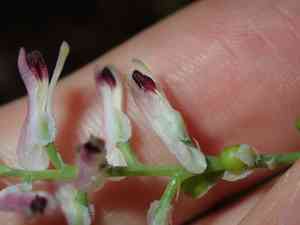
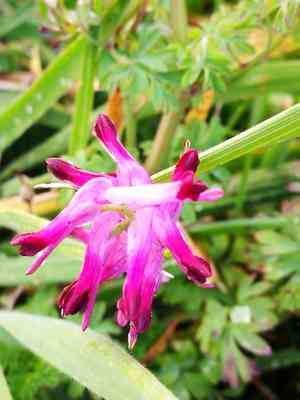
This glaucous plant with smooth stems can grow to about 1 meter and has a sprawling, branched structure. The final leaf segments measure between 2 to 5.5 mm in length and 1 to 3 mm in width, featuring an oblong and flat shape. The clusters, which contain 2 to 25 flowers, are 1.5 to 3 times longer than the peduncle and are loosely arranged. The bracts are considerably shorter than the fertile pedicels, measuring 1.5 to 2 mm. The fertile pedicels are upright and spreading. The flowers, which range in color from white to pink with a purple-black tip, are typically 8 to 11 mm in size.
In This Article
Attributes of Tall ramping fumitory
Lifespan
Annual
Plant Type
Herb
Plant Height
2 m
Spread
Not commonly measured as it is a herbaceous plant with a sprawling habit
Leaf Color
Gray-green
Flower Size
Typically around 2-3 mm
Flower Color
Pink
Images of Tall ramping fumitory
Quickly Identify Tall ramping fumitory
1
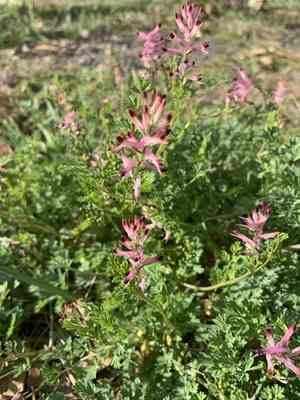
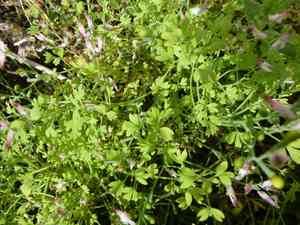
To identify Fumaria bastardii, look for its feathery leaves and distinctive pink flowers with dark tips. The plant often has a sprawling growth habit and can be found in disturbed grounds and waste areas.
Scientific Classification of Tall ramping fumitory
Phylum
Vascular plants
Class
Dicotyledons
Order
Ranunculales
Family
Poppy
Genus
Fumitory
Species
Tall ramping fumitory
Planting and Growing of Tall ramping fumitory
Care Difficulty
Easy
Watering Schedule
Every 3 days
Sunlight Requirements
Partial sun
Sunshine Duration
6-10 hours
Ideal Temperature
59-68℉
Soil Type
Potting Mix, Peat Mix
Soil pH
6.5-7.5
Fertilizer Type
Balanced
Pruning Season
Spring, Summer
Pruning Area
Branches, Leaves
Pruning Frequency
2 times a year
Repotting Season
Spring
Pot Type
Plastic, Ceramic
 How to Water Tall ramping fumitory?
Fumaria bastardii prefers its soil to be moist but not waterlogged. The general rule of thumb is to water until the top inch of soil feels thoroughly damp but not so much that water is pooling on the surface. A sufficient amount would be 150 ml of water per session, allowing for excess to drain properly.
What are the symptoms of an underwatered Tall ramping fumitory?
›
What should I do if my Tall ramping fumitory is not getting enough water?
›
What are the symptoms of an overwatered Tall ramping fumitory?
›
How to save an overwatered Tall ramping fumitory?
›
 What Are the Sunlight Requirements for Tall ramping fumitory?
Fumaria bastardii prefers a range between partial sun to partial shade. Ideal light conditions help maintain its vibrant foliage and robust growth, promoting effective photosynthesis and a healthy life cycle without risking leaf damage.
How can Fumaria bastardii achieve ideal lighting conditions?
›
What are the practical steps to ensure ideal lighting?
›
What benefits does Fumaria bastardii gain from optimal lighting?
›
 What Is the Ideal Temperature Range for Tall ramping fumitory?
The ideal temperature for Fumaria bastardii is between 59°F and 68°F. This range ensures optimal growth and development, providing the necessary warmth for metabolic processes without inducing heat stress.
 What Soil is Best for Tall ramping fumitory?
Fumaria bastardii thrives in well-draining soil to prevent root rot and ensure proper growth. Well-draining soil allows excess water to escape, keeping the roots healthy and oxygenated, vital for optimal plant vitality. Though not overly fussy, Fumaria bastardii appreciates nutrient-rich soil. Compost or well-rotted manure can significantly enhance soil fertility, promoting vigorous growth and abundant blooming in these intriguing plants. This plant prefers soils with moderate moisture retention, avoiding prolonged dryness or waterlogged conditions. A balance ensures the plant receives enough moisture for photosynthesis without risking water stress or disease.
 How to Fertilize Tall ramping fumitory?
For Fumaria bastardii, ensure that you apply a moderate amount of fertilizer. Over-fertilization can harm the plant's delicate root system, while under-fertilization can stunt its growth. A balance is crucial; hence, a liquid fertilizer concentration of about half the recommended dose for general plants is advisable.
 How to Prune Tall ramping fumitory?
Start by identifying the healthiest stems of Fumaria bastardii. Use sharp, clean pruning shears to trim away any weak or spindly stems. Aim to create an open and airy structure, promoting light penetration and air circulation. Focus on cutting above a leaf node to encourage new shoots to develop. To keep Fumaria bastardii looking its best, regularly deadhead wilted or spent blooms. This not only enhances the aesthetic appeal of the plant but also redirects energy towards producing new blooms rather than seed production, extending the flowering period.
More About Pruning Techniques→
 How to Propagate Tall ramping fumitory plant?
1
To start with seed propagation, collect seeds from mature Fumaria bastardii plants. Clean and dry them thoroughly to avoid any mold during storage. Store them in a cool, dry place until ready to plant.
2
Select healthy, non-flowering stems from the parent plant. Cut sections that are about 4-6 inches long. Remove the lower leaves to leave a bare stem for rooting.
3
Insert the prepared cuttings into a pot filled with a mix of peat and sand. Ensure at least two nodes are buried for optimal rooting. Water lightly to moisten the soil.
 How to Repot Tall ramping fumitory plant?
1
The signals indicating it's time to repot Fumaria bastardii include roots circling the bottom of the pot, slow growth, and compacted soil. Ideally repot during early spring or autumn when the plant enters a phase of vigorous root development, ensuring minimal stress and maximum benefit from fresh nutrients.
2
Select a pot that is one size larger than the current one, ensuring it has adequate drainage holes. The material should be breathable like terracotta to allow moisture evaporation. This prevents waterlogging and allows roots to breathe, promoting healthier growth and reducing the risk of root rot.
3
Opt for a loamy, well-draining soil mix to prevent water stagnation, which Fumaria bastardii dislikes. The mix should have a good balance of organic matter and aerations like perlite to maintain moisture yet dry out efficiently, fostering a robust root system and vibrant growth.
Toxicity
Ingestion
WARNING
The judgment on toxicity and danger is for reference only. We DO NOT GUARANTEE any accuracy of such judgment. Therefore, you SHALL NOT rely on such judgment. It is IMPORTANT TO SEEK PROFESSIONAL ADVICE in advance when necessary.



