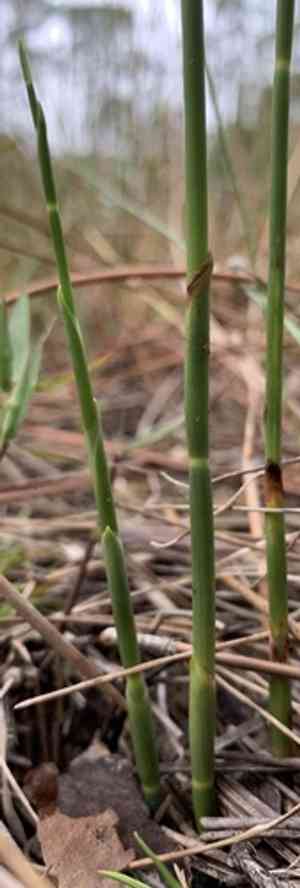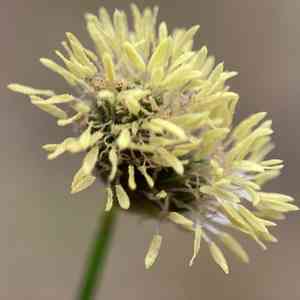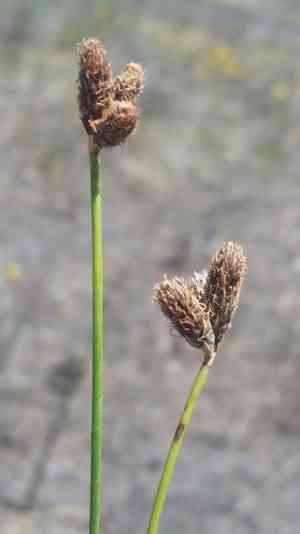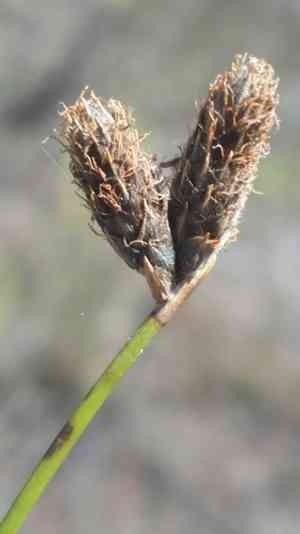
Southern umbrella-sedge(Fuirena scirpoidea)

Southern umbrella-sedge (Fuirena scirpoidea)

Also known as: Scirpiform Fuirena, Rush-like Fuirena

Sure, here is a revised response incorporating elements from the reference answer while ensuring a significant difference:

The southern umbrella-sedge (Cyperus difformis) is a resilient perennial plant typically found in wetland areas. Characterized by its grass-like leaves, this sedge features slender stems that culminate in unique, umbrella-shaped clusters of spikelets, often with a reddish-brown tint.

In marshy soils, the southern umbrella-sedge thrives, demonstrating impressive adaptation to saturated environments. Its seed heads serve as an important food source for waterfowl, thereby enhancing habitat diversity and supporting local wildlife.

Attributes of Southern umbrella-sedge

Lifespan
Perennial
Plant Type
Grass
Plant Height
30-100 cm
Spread
N/A
Leaf Color
Green
Flower Size
Small, less than 1 cm
Flower Color
Brown to Green

ForwardPlant - Identify plants with a snap

Identify and diagnose plants, get toxicity alerts, and explore safety guides for all types of fungi.

Try for Free

Images of Southern umbrella-sedge

Southern umbrella-sedge(Fuirena scirpoidea)

Quickly Identify Southern umbrella-sedge

1
To identify Fuirena scirpoidea, look for its grass-like stems which are solid and triangular in cross-section. The leaves are narrow and flat, and it produces small, inconspicuous flowers in clusters.

Scientific Classification of Southern umbrella-sedge

Phylum
Vascular plants
Class
Monocotyledons
Order
Poales
Family
Sedge
Genus
Umbrella-sedge
Species
Southern umbrella-sedge

Planting and Growing of Southern umbrella-sedge

Care Difficulty
Easy
Watering Schedule
Every 4 days
Sunlight Requirements
Partial sun
Sunshine Duration
4-6 hours
Ideal Temperature
68-77℉
Soil Type
Potting Mix, Peat Mix
Soil pH
5.5-7
Fertilizer Type
Balanced
Pruning Season
Spring, Summer
Pruning Area
Branches, Leaves
Pruning Frequency
Once a year
Repotting Season
Spring
Pot Type
Terracotta, Plastic

water icon How to Water Southern umbrella-sedge?

For Fuirena scirpoidea, it's crucial to maintain a consistent level of moisture. Water with approximately 250 ml each time, ensuring the top layer of the soil is evenly moist without becoming waterlogged. The goal is to mimic the plant's natural, slightly swampy habitat.
What are the symptoms of an underwatered Southern umbrella-sedge? ›
What should I do if my Southern umbrella-sedge is not getting enough water? ›
What are the symptoms of an overwatered Southern umbrella-sedge? ›
How to save an overwatered Southern umbrella-sedge? ›

sunlight icon What Are the Sunlight Requirements for Southern umbrella-sedge?

Sunlight Requirements: Partial sun
Duration of light: 4 to 6 hours
Partial sun provides the best conditions for Fuirena scirpoidea. This light exposure supports sturdy growth, rich green foliage, and prevents stress from variable lighting.
What is the ideal light intensity? ›
How to provide the ideal lighting environment? ›
What are the benefits of ideal lighting? ›

temperature icon What Is the Ideal Temperature Range for Southern umbrella-sedge?

Ideal Temperature: 68 ~ 77℉
For Fuirena scirpoidea to thrive, it ideally requires a temperature range between 68°F and 77°F. This temperature range supports active growth and development, ensuring that the plant maintains its vitality.

soil icon What Soil is Best for Southern umbrella-sedge?

Soil type: Sandy soil, Loam, Sandy loam
Soil PH: 5.5 ~ 7
Fuirena scirpoidea thrives in well-drained soils that prevent waterlogging, which can lead to root rot. A well-drained environment ensures the roots receive adequate air and nutrients, promoting robust growth. A soil rich in organic matter supports the plant's growth by providing essential nutrients. Adding compost or aged manure can enhance soil fertility, boosting the plant's resilience and overall health. While Fuirena scirpoidea prefers not to be in waterlogged conditions, the soil should still retain some moisture to support its hydration needs. Maintaining moderate moisture helps the plant cope with dry spells.

fertilize icon How to Fertilize Southern umbrella-sedge?

Fertilizer type: Balanced
For Fuirena scirpoidea, it's essential to maintain a balanced nutrient supply. Use a liquid fertilizer with a nutrient ratio of 10-10-10. Dilute the fertilizer to half the recommended strength. This ensures the plant receives adequate nutrients without causing any root burn or nutrient overload.

prune icon How to Prune Southern umbrella-sedge?

Pruning Time: Spring, Summer, Autumn
Start by identifying any dead or discolored leaves and stems, and remove these gently with clean, sharp scissors or pruning shears. Make cuts at a slight angle to facilitate better healing and prevent moisture accumulation which can lead to rot. When shaping Fuirena scirpoidea, focus on creating a balanced form that allows for light penetration and air circulation. Trim back leggy or uneven growth to ensure the plant maintains a compact and attractive appearance. More About Pruning Techniques→

propagate icon How to Propagate Southern umbrella-sedge plant?

Propagate Time: Spring, Early summer
1
Fill the seed tray with potting soil, leaving a small gap at the top for watering. The soil should be moist but not soaked. Compact the soil gently to remove air pockets.
2
Evenly distribute the seeds over the surface of the soil. Cover them lightly with a thin layer of potting soil. Water the surface gently to ensure good contact between the seeds and the soil.
3
Place the seed tray in a warm, bright location away from direct sunlight. Maintain a consistent temperature of around 20-25°C to encourage germination. Keep the soil moist but not waterlogged.
More About Propagating Techniques→

repot icon How to Repot Southern umbrella-sedge plant?

Repotting frequency: Every 1-2 years
1
Repotting is necessary when Fuirena scirpoidea shows signs of outgrowing its current pot, such as roots emerging from drainage holes or soil drying out too quickly. Typically, spring or summer are ideal times as the plant enters its active growth phase, allowing it to recover swiftly from repotting stress.
2
Choose a pot that is slightly larger than the current one, ideally only 1-2 inches bigger in diameter. This prevents excessive soil moisture retention which may cause root rot. Clay pots with drainage holes are preferred for their porous nature, promoting better aeration and water drainage.
3
Opt for a well-draining potting mix tailored to aquatic or wetland plants, perhaps supplemented with sand or perlite. This soil type mimics the plant's natural habitat while preventing water stagnation, crucial for its healthy root development and overall vitality.

ForwardPlant - Identify plants with a snap

Find the best spots for them to optimize their health, simply using your phone.

Try for Free