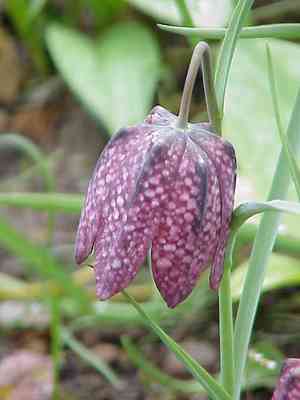
Fritillaries (Fritillaria) (Fritillaria)
Also known as: Fritillary, Mission Bells
Fritillaries are a diverse group of spring-flowering plants within the lily family, characterized by their prominent, nodding, bell-shaped blooms. These plants have gained significant popularity as ornamental flowers, which has unfortunately led to the overharvesting of native populations. Fritillaries have been immortalized in art and poetry for centuries, including in the works of Shakespeare. They are also frequently depicted in European crests and coats of arms.
In This Article
Attributes of Fritillaries (Fritillaria)
Lifespan
Perennial
Plant Height
20-100 cm
Spread
Varies widely; typically around 10-30 cm
Leaf Color
Green
Flower Size
2-7 cm
Flower Color
Varies (yellow, orange, red, purple, green)
Images of Fritillaries (Fritillaria)
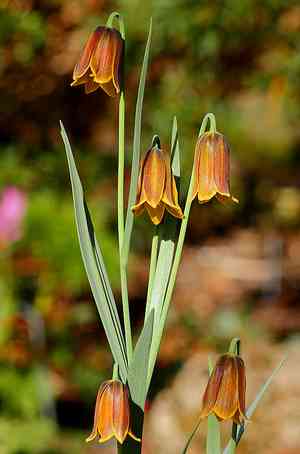
Quickly Identify Fritillaries (Fritillaria)
1
Fritillaria plants are most easily identified by their nodding, bell-shaped flowers which often have distinctive checkerboard or mottled patterns. The leaves are lance-shaped and usually appear in a whorled or alternate arrangement along the stem.
Scientific Classification of Fritillaries (Fritillaria)
Phylum
Magnoliophyta
Class
Liliopsida
Order
Liliales
Family
Liliaceae
Genus
Fritillaria
Planting and Growing of Fritillaries (Fritillaria)
Care Difficulty
Moderate
Watering Schedule
Every 2 days
Sunlight Requirements
Partial sun
Sunshine Duration
4-8 hours
Ideal Temperature
50-65℉
Soil Type
Potting Mix, Peat Mix
Soil pH
6.5-7.5
Fertilizer Type
Balanced
Pruning Season
Spring, Summer
Pruning Area
Branches, Leaves
Pruning Frequency
2 times a year
Repotting Season
Spring
Pot Type
Plastic, Ceramic
 How to Water Fritillaries (Fritillaria)?
The amount of water needed for Fritillaria should be just enough to keep the soil consistently moist but not waterlogged. Approximately 200 ml of water each time is sufficient for the plant to thrive, ensuring the soil remains damp to the touch but never soggy. It’s crucial to use this guideline and adjust based on the plant's environment and size.
What are the symptoms of an underwatered Fritillaries (Fritillaria)?
›
What should I do if my Fritillaries (Fritillaria) is not getting enough water?
›
What are the symptoms of an overwatered Fritillaries (Fritillaria)?
›
How to save an overwatered Fritillaries (Fritillaria)?
›
 What Are the Sunlight Requirements for Fritillaries (Fritillaria)?
Partial sun to full sun exposure ensures Fritillaria blooms brightly and maintains healthy growth. Ideal lighting supports photosynthesis, vigor, and disease resistance, leading to an overall thriving plant.
What is the perfect light condition for Fritillaria?
›
How can I achieve ideal light for Fritillaria?
›
What benefits does Fritillaria gain from ideal lighting?
›
 What Is the Ideal Temperature Range for Fritillaries (Fritillaria)?
Fritillaria thrives best in a temperate climate with temperatures ranging from 50°F to 65°F. This range provides the optimal conditions for growth and flowering, ensuring robust development of the plant while minimizing stress.
 What Soil is Best for Fritillaries (Fritillaria)?
Fritillaria prefers soil that offers excellent drainage to prevent waterlogging, which can lead to bulb rot. Well-drained loam or sandy loam ensures that the roots get necessary aeration and water disperses properly. Rich, fertile soil is preferred to provide the nutrients necessary for healthy growth and vibrant flowers. A well-amended soil with organic matter supports nutrient cycling and overall plant vitality. The soil should stay consistently moist, demonstrating that Fritillaria does not appreciate drought or overly dry conditions. Maintaining soil moisture encourages steady growth and prevents stress.
 How to Fertilize Fritillaries (Fritillaria)?
Fritillaria thrives best with a balanced approach to fertilization. Use a liquid fertilizer with an NPK ratio around 10-10-10, diluting it to half-strength. Apply about 1 liter per plant to avoid over-fertilizing and harming the delicate roots.
 How to Prune Fritillaries (Fritillaria)?
Begin by ensuring your pruning tools are clean and sharp to prevent any disease transmission. Wear gloves to protect your hands from any sap that might cause irritation. Identify the dry, withered foliage after flowering as these will be your first targets. Clear debris from around the base to improve air circulation. Focus on cutting back any yellowing or dead stems at the base once the plant has bloomed and entered dormancy. Avoid cutting the green foliage too soon, as it continues to photosynthesize and store energy for the next growth phase. Deadheading the spent flowers encourages better vigor and prevents unnecessary seed formation.
 How to Propagate Fritillaries (Fritillaria) plant?
1
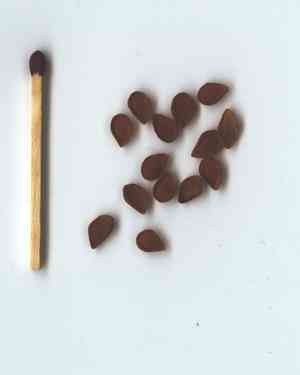
Harvest the seeds from mature fritillaria plants once the seed pods have dried. This usually occurs in late summer to early autumn. Make sure to store seeds in a cool, dry place until you are ready to plant them in early spring.
2
Select mature fritillaria bulbs for division in late autumn. Gently lift the bulbs from the soil, separating them into smaller clumps with a sharp, sterile knife. Ensure each division has at least one growth point.
3
Fill a seed tray with a well-draining mix and plant the fritillaria seeds in early spring. Cover lightly with soil and water gently. Maintain a moist environment but avoid overwatering to prevent rot.
 How to Repot Fritillaries (Fritillaria) plant?
1
Look for signs such as root-bound growth where roots start circling the pot's edge. Other indicators include stunted growth or poor flowering. The best time to repot Fritillaria is in early spring or autumn, as this is when the plant is dormant, reducing shock from the process.
2
Select a pot that's one size larger and has excellent drainage holes. This ensures ample space for growth and prevents waterlogging, which is detrimental to Fritillaria bulbs. A pot that's too large can lead to soil remaining wet for too long, increasing the risk of root rot.
3
Opt for a well-draining loamy mix with added sand or perlite to enhance aeration. Good soil structure allows roots to develop robustly and reduces the potential for fungal diseases, which thrive in waterlogged conditions.
Toxicity
Ingestion
WARNING
The judgment on toxicity and danger is for reference only. We DO NOT GUARANTEE any accuracy of such judgment. Therefore, you SHALL NOT rely on such judgment. It is IMPORTANT TO SEEK PROFESSIONAL ADVICE in advance when necessary.

