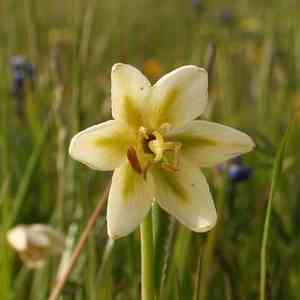
Fragrant fritillary (Fritillaria liliacea)
Also known as: Lily-Leaved Fritillary
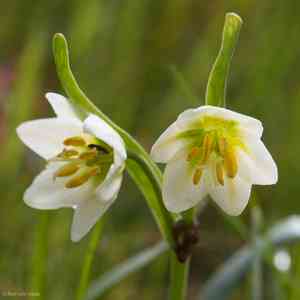
Fritillaria liliacea originates from the areas around San Francisco Bay in California. This species features bell-shaped white flowers with greenish stripes, held on a nodding stem approximately 37 cm tall. The flowers range from odorless to having a faint fragrance.
In This Article
Attributes of Fragrant fritillary
Lifespan
Perennial
Plant Type
Herb
Plant Height
10-30 cm
Spread
Approximately 5-10 cm
Leaf Color
Green
Flower Size
2-3 cm
Flower Color
Greenish-white to pinkish
Images of Fragrant fritillary
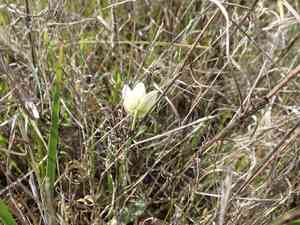
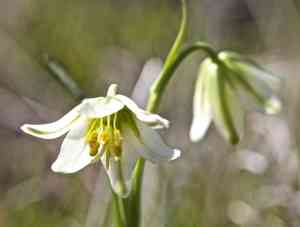
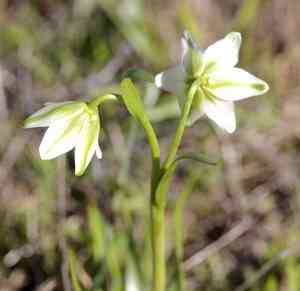
Quickly Identify Fragrant fritillary
1
Fritillaria liliacea can be identified by its slender, lance-shaped leaves and its solitary or clustered, nodding bell-shaped flowers. The flowers have distinct diamond-shaped markings on the petals and the stem is typically erect and unbranched.
Scientific Classification of Fragrant fritillary
Phylum
Vascular plants
Class
Monocotyledons
Order
Liliales
Family
Lily
Genus
Fritillaries
Species
Fragrant fritillary
Planting and Growing of Fragrant fritillary
Care Difficulty
Moderate
Watering Schedule
Every 2 days
Sunlight Requirements
Partial sun
Sunshine Duration
4-8 hours
Ideal Temperature
60-75℉
Soil Type
Potting Mix, Peat Mix
Soil pH
6.5-7.5
Fertilizer Type
Balanced
Pruning Season
Spring, Summer
Pruning Area
Branches, Leaves
Pruning Frequency
2 times a year
Repotting Season
Spring
Pot Type
Plastic, Ceramic
 How to Water Fragrant fritillary?
Fritillaria liliacea typically needs around 150 milliliters of water per session. It is essential to ensure that the soil is moist but not soggy. The principle to follow here is to water just enough so that the top layer of soil is moist to the touch. Overwatering can lead to root rot, so it is better to err on the side of caution.
What are the symptoms of an underwatered Fragrant fritillary?
›
What should I do if my Fragrant fritillary is not getting enough water?
›
What are the symptoms of an overwatered Fragrant fritillary?
›
How to save an overwatered Fragrant fritillary?
›
 What Are the Sunlight Requirements for Fragrant fritillary?
This plant prefers partial sun, about 4-6 hours of gentle sunlight daily. Ideal lighting supports robust growth and vibrant flowering, maximizing its natural beauty and health.
Where to place Fritillaria liliacea?
›
How to ensure it gets adequate light?
›
What are the benefits of ideal lighting?
›
 What Is the Ideal Temperature Range for Fragrant fritillary?
The ideal temperature range for Fritillaria liliacea is between 60°F and 75°F. This range provides optimal conditions for growth, allowing the plant to perform photosynthesis efficiently and maintain healthy cellular functions.
 What Soil is Best for Fragrant fritillary?
Fritillaria liliacea thrives in well-drained soils that prevent waterlogging. This characteristic is crucial because it reduces the risk of root rot, thus promoting a healthier growth environment. The plant benefits from soil rich in organic matter. This ensures a steady supply of nutrients, supporting robust growth and enhancing flower production. Soil that maintains moderate moisture levels without becoming soggy is ideal. This balance aids in sustaining the plant during dry spells, ensuring consistent growth and vitality.
 How to Fertilize Fragrant fritillary?
For Fritillaria liliacea, it's important to provide a balanced amount of nutrients without overwhelming the plant. Use approximately 1/2 gallon of diluted liquid fertilizer per plant during the growing season. For slow-release granular fertilizer, applying about 3 tablespoons per plant annually is ideal.
 How to Prune Fragrant fritillary?
Fritillaria liliacea grows from bulbs, which are delicate. When pruning, avoid disturbing the soil around the bulbs to prevent damage or stunted growth. Pruning opens plants to potential pest infestations. Check regularly for signs of insects or disease and address issues promptly to maintain plant health.
More About Pruning Techniques→
 How to Propagate Fragrant fritillary plant?
1
Start by collecting seeds from mature Fritillaria liliacea plants. Clean them thoroughly to remove any pulp. Allow the seeds to dry completely to prevent mold growth before sowing.
2
Sow the Fritillaria liliacea seeds in a seed tray filled with well-draining soil. Press the seeds lightly into the soil, and cover them with a thin layer of sand or fine soil. Water gently to avoid disturbing the seeds.
3
Dig up the plant carefully to access the bulb clusters. Use a sharp knife to divide the bulbs into sections, ensuring each section has roots and shoots. Replant the divisions immediately to encourage root establishment.
 How to Repot Fragrant fritillary plant?
1
The ideal time to repot Fritillaria liliacea is when you notice roots poking out from the drainage holes or when the soil becomes compacted and waterlogged. Generally, spring is the best season as the plant is coming out of dormancy and starting to grow.
2
Select a pot with good drainage and only slightly larger than the current one. This prevents root rot and ensures proper aeration, which is crucial for the healthy growth of Fritillaria liliacea.
3
Opt for a well-draining, sandy soil mix that mimics the plant's natural habitat. This kind of soil prevents water from accumulating around the roots, reducing the risk of bacterial and fungal infections.
Toxicity
Ingestion
WARNING
The judgment on toxicity and danger is for reference only. We DO NOT GUARANTEE any accuracy of such judgment. Therefore, you SHALL NOT rely on such judgment. It is IMPORTANT TO SEEK PROFESSIONAL ADVICE in advance when necessary.
Learn More About Fragrant fritillary Diseases
Bacterial Leaf Spot
Bacterial Soft Rot
Crown Gall
Cyst Nematode
Damping-off
Downy Mildew
Fusarium Wilt
Gray Mold
Leaf Spot
Mosaic
Powdery Mildew
Root Rot
Root-knot Nematode
Rusts
White Mold
Chemical Injury
Drought Stress
Nutrient Deficiency
Nutrient Toxicity
Temperature Stress
Spider Mites
Thrips Damage



