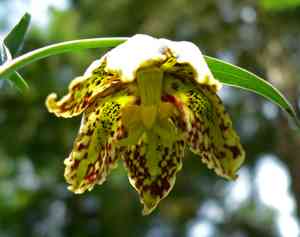
Chocolate Lily (Fritillaria affinis)
Also known as: Mission Bells
Chocolate Lily (Fritillaria affinis) is a perennial plant that emerges from a bulb and can reach up to 61 cm in height. It flourishes in sandy or loamy soil that is moist yet well-drained. Ideal growing conditions include full sun to partial shade. The plant blooms in spring, showcasing greenish-brown flowers with yellow to purplish-black mottling. Plant the bulbs in autumn, spacing them 4-6 inches deep and 6-8 inches apart. During the growing season, keep the soil consistently moist, but allow it to dry out during summer dormancy. Additionally, the bulb is edible and can be eaten raw, cooked, or dried.
In This Article
Attributes of Chocolate Lily
Lifespan
Perennial
Plant Type
Herb
Plant Height
30 cm to 91 cm
Spread
15 cm
Leaf Color
Green Blue
Flower Size
2 cm to 4 cm
Flower Color
Green Purple Red White
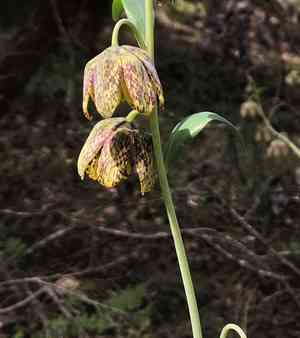
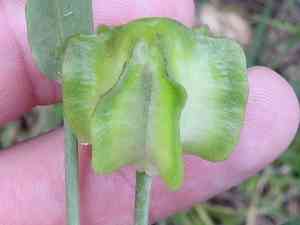
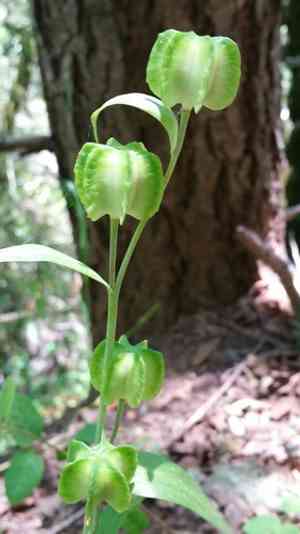
Images of Chocolate Lily

Quickly Identify Chocolate Lily
1
Checker Lily can be identified by its tall, slender stems which typically support 1 to 5 nodding, bell-shaped flowers. The leaves are lance-shaped and arranged alternately along the stem. The distinctive checkerboard pattern on the flowers is a reliable identifying feature.
Scientific Classification of Chocolate Lily
Phylum
Vascular plants
Class
Monocotyledons
Order
Liliales
Family
Lily
Genus
Fritillaries
Species
Chocolate Lily
Planting and Growing of Chocolate Lily
Care Difficulty
Moderate
Watering Schedule
Every 3 days
Sunlight Requirements
Full sun
Sunshine Duration
4-6 hours
Ideal Temperature
50-70℉
Soil Type
Potting Mix, Peat Mix
Soil pH
6.5-7.5
Fertilizer Type
Balanced
Pruning Season
Spring, Summer
Pruning Area
Branches, Leaves
Pruning Frequency
2 times a year
Repotting Season
Spring
Pot Type
Plastic, Ceramic
 How to Water Chocolate Lily?
For Fritillaria affinis, the watering amount should be carefully moderated. Aim for about 250 milliliters per session, ensuring the soil is evenly moist but not soggy. The key here is to water until the top inch of soil feels moist while making sure excess water drains away completely.
What are the symptoms of an underwatered Chocolate Lily?
›
What should I do if my Chocolate Lily is not getting enough water?
›
What are the symptoms of an overwatered Chocolate Lily?
›
How to save an overwatered Chocolate Lily?
›
 What Are the Sunlight Requirements for Chocolate Lily?
Partial sun with moments of full sun is the ideal illumination. Adequate light facilitates strong growth and remarkable flowering, enhancing the plant's natural resilience and beauty in your garden or home space.
More About Sunlight Requirements Techniques→
How much sunlight does Fritillaria affinis prefer?
›
How can I provide ideal lighting for this plant?
›
What are the benefits of ideal sunlight exposure?
›
 What Is the Ideal Temperature Range for Chocolate Lily?
Fritillaria affinis thrives best in environments where the temperature ranges from 50°F to 70°F. This range provides optimal conditions for its growth and development. Temperatures within this range ensure that the plant's metabolic processes can function efficiently, leading to healthy foliage and robust blooming.
 What Soil is Best for Chocolate Lily?
Fritillaria affinis thrives in well-drained soil conditions, preventing root rot by allowing excess water to flow through efficiently. This is crucial for maintaining a healthy root system, ensuring the plant gains sufficient nutrients and oxygen. This plant benefits from soil rich in organic matter, which enhances nutrient availability and promotes vigorous growth. Compost or well-rotted leaf mold can significantly improve the soil's fertility, benefiting plant development. While rich in organic content, the soil shouldn't be overly fertile to prevent legginess. Balanced nutrition supports strong and healthy foliage, contributing to sustained plant health and successful blooming cycles.
 How to Fertilize Chocolate Lily?
Fritillaria affinis requires a balanced approach to fertilization to thrive. Use a dilute liquid fertilizer, such as a 10-10-10 mix, at half the strength recommended on the package. This ensures the plant receives adequate nutrients without the risk of over-fertilization, which can cause root burn and hinder growth.
 How to Prune Chocolate Lily?
Begin by identifying and removing dead or discolored stems close to the base. This opens up the plant, improves airflow, and directs nutrients to healthier parts of the plant, which is crucial for vibrant blooms. Prune back the longer stems with spent flowers to the base at the end of the growing season. This encourages the plant to focus its energy on new growth during the next cycle, promoting stronger, healthier shoots. It's essential not to over-prune Fritillaria affinis. Only remove what is necessary to maintain the shape and health of the plant. Over-pruning can lead to reduced flowering and a weaker plant overall.
More About Pruning Techniques→
 How to Propagate Chocolate Lily plant?
1
Fill the seed trays with a well-draining seed-starting mix. Make sure to moisten the mix slightly before sowing the seeds to provide the right environment for germination.
2
Sprinkle the seeds evenly on the surface of the prepared seed trays. Lightly cover them with a thin layer of soil. Ensure that the soil stays consistently moist but not waterlogged.
3
In early spring, dig up mature plants and carefully separate the bulbs using a sharp knife or spade. Replant each bulb at the same depth they were originally growing, spaced adequately apart to allow room for growth.
 How to Repot Chocolate Lily plant?
1
Monitor Fritillaria affinis for signs of crowding, such as bulbs pushing against the pot's sides or slow growth. Spring, just after blooming, is ideal as the plant is coming out of dormancy and can establish itself in new soil before entering its next growth cycle.
2
Select a pot that is slightly larger than the current one, with ample drainage holes to prevent waterlogging. A terracotta pot is ideal, as it will allow excess moisture to evaporate quickly, reducing the risk of bulb rot.
3
Choose a well-draining gritty soil mix, enriched with organic matter. This mix should replicate its natural habitat, ensuring adequate drainage while retaining necessary nutrients, helping to prevent any root rot and provide a stable growing environment.



