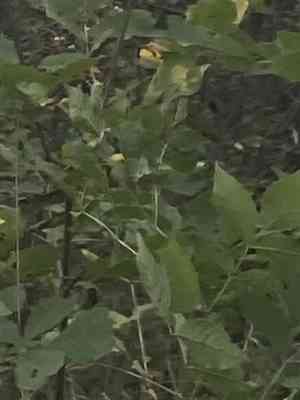
Ashes (Fraxinus) (Fraxinus)
Also known as: Ash, European Ash, Common Ash
Ash trees are frequently utilized in the creation of various products, including baseball bats, tool handles, furniture, flooring, and musical instruments due to their durability and flexibility. Additionally, ash wood serves as excellent firewood. Beyond their practical uses, ash trees hold cultural significance; for instance, in Norse mythology, the first man was believed to be made from ash wood. These trees are widely cultivated across the globe.
In This Article
Attributes of Ashes (Fraxinus)
Lifespan
Perennial
Plant Height
20 m
Spread
18 m
Leaf Color
Green
Flower Size
0.5-1 cm
Flower Color
White Yellow Green
Images of Ashes (Fraxinus)
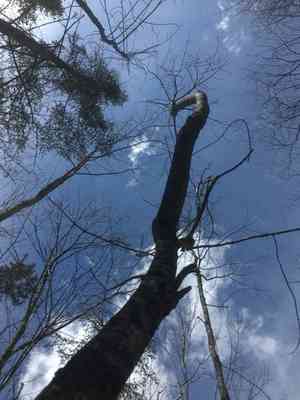
Quickly Identify Ashes (Fraxinus)
1
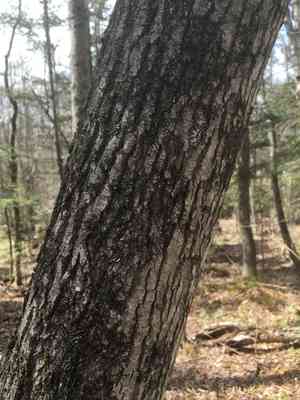
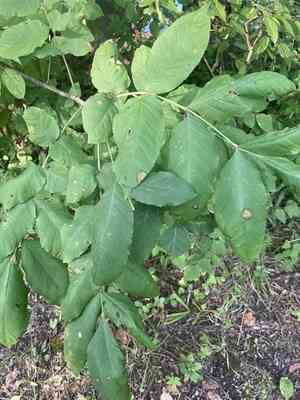
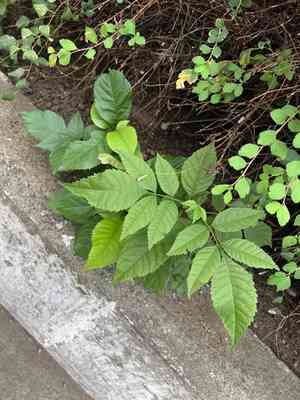
Ash trees can be identified by their opposite branching pattern, compound leaves with 5-11 leaflets, and distinctive, diamond-patterned bark. The samara fruit is also unique, with a single seed surrounded by a flat wing.
Scientific Classification of Ashes (Fraxinus)
Phylum
Magnoliophyta
Class
Magnoliopsida
Order
Lamiales
Family
Oleaceae
Genus
Fraxinus
Planting and Growing of Ashes (Fraxinus)
Care Difficulty
Moderate
Watering Schedule
Every 3 days
Sunlight Requirements
Full sun
Sunshine Duration
8-12 hours
Ideal Temperature
59-77℉
Soil Type
Potting Mix, Peat Mix
Soil pH
6.5-7.5
Fertilizer Type
Balanced
Pruning Season
Spring, Summer
Pruning Area
Branches, Leaves
Pruning Frequency
2 times a year
Repotting Season
Spring
Pot Type
Plastic, Ceramic
 How to Water Ashes (Fraxinus)?
For Fraxinus, ensure the soil is consistently moist but not waterlogged. Watering should allow the soil to be evenly damp, soaking the root zone without causing excess water to remain. This helps the tree to thrive, promoting deep root growth.
What are the symptoms of an underwatered Ashes (Fraxinus)?
›
What should I do if my Ashes (Fraxinus) is not getting enough water?
›
What are the symptoms of an overwatered Ashes (Fraxinus)?
›
How to save an overwatered Ashes (Fraxinus)?
›
 What Are the Sunlight Requirements for Ashes (Fraxinus)?
Fraxinus thrives well in full or partial sunlight, ideally between 6 to 8 hours of exposure daily. This energy aids in robust and balanced growth, fortifying its leaves against adverse environmental elements.
What is the optimal sunlight for Fraxinus?
›
How can Fraxinus receive ideal sunlight?
›
What benefits arise from ideal lighting conditions?
›
 What Is the Ideal Temperature Range for Ashes (Fraxinus)?
Fraxinus trees, commonly known as ash trees, thrive best in a temperature range of 59°F to 77°F. This range provides the optimal balance of warmth and coolness, ensuring that the tree's physiological processes, including photosynthesis and respiration, are functioning efficiently. At these temperatures, the growth of leaves and other plant tissues is maximized, allowing for robust and healthy development.
 What Soil is Best for Ashes (Fraxinus)?
Fraxinus thrives in well-drained soils which prevent waterlogging. This is crucial as it allows roots to access oxygen effectively, promoting healthy growth and preventing root rot. The plant benefits from a soil that's rich in nutrients, ensuring it has access to essential minerals required for robust foliage and overall vigor, promoting resilience against pests and diseases. While Fraxinus prefers fertile soil, it doesn't require excessively rich soil. Balanced fertility supports sustainable growth without the risk of over-fertilization leading to salt build-up.
 How to Fertilize Ashes (Fraxinus)?
When fertilizing Fraxinus, it's critical to start with a light application. Generally, using about 1/4 cup of granular fertilizer per inch of trunk diameter is adequate. If using liquid fertilizer, dilute to half the recommended strength to avoid root damage.
 How to Prune Ashes (Fraxinus)?
Look for dead, broken, or diseased branches first. Removing these will improve the tree's health. Next, identify any branches that are growing out of place or crossing each other. For small branches, use your pruning shears to make clean cuts just above the node or where the branch meets another. For larger branches, a three-cut technique should be employed to prevent tearing. To maintain the aesthetic shape of Fraxinus, step back regularly to assess the balance of the canopy. Trim branches to maintain an open structure that allows light and air to filter through.
 How to Propagate Ashes (Fraxinus) plant?
1
For seed propagation, it's important to stratify ash seeds in a moist medium at cold temperatures for several weeks to mimic winter conditions. This breaks seed dormancy and enhances germination rates.
2
Select healthy, semi-hardwood cuttings from disease-free branches. Cuttings should be about 4-6 inches long. Remove leaves from the lower half to reduce moisture loss and dip the cut ends in rooting hormone to promote root development.
3
When grafting fraxinus, select compatible rootstock and scion. Using cleft grafting or whip-and-tongue grafting methods ensures successful union. Tightly bind the graft union with grafting tape and keep the area moist to promote healing.
 How to Repot Ashes (Fraxinus) plant?
1
Fraxinus trees require repotting when roots start to circle the pot, or when new growth appears stunted despite proper care. The best time to repot is when the plant is in its dormant phase, typically in early spring or autumn, to minimize stress.
2
Select a new pot that is 1-2 inches larger in diameter than the current pot. Ensure it has drainage holes at the bottom to prevent waterlogging, which could lead to root rot. Using a slightly larger pot allows the roots to spread comfortably, ensuring stable growth.
3
Choose a well-draining potting mix with a balance of organic matter. A mix with peat, perlite, and sand works well, allowing sufficient aeration while retaining necessary moisture. Proper soil helps the roots to breathe and prevents overwatering problems.

