
Texas ash (Fraxinus texensis)
Also known as: Texas Ash
The leaves measure between 13 to 20 cm in length and are pinnately compound, typically consisting of five leaflets that are rounded and range from 3 to 8 cm in length and 2 to 5 cm in width. The tree produces purple flowers that appear in small clusters during early spring. As a dioecious species, it has separate male and female trees. The fruit is a samara, measuring 1.5 to 3 cm long, featuring a distinctive apical wing.
In This Article
Attributes of Texas ash
Lifespan
Perennial
Plant Type
Tree
Plant Height
9 m to 12 m
Spread
8 m to 11 m
Leaf Color
Green in summer, yellow to orange-red in fall
Flower Size
4 cm
Flower Color
Green
Images of Texas ash
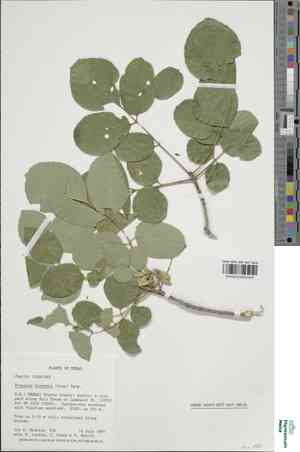



Quickly Identify Texas ash
1
Identify Fraxinus texensis by its compound leaves, which typically have 5 to 7 leaflets, and its ash-gray bark with diamond-shaped ridges. In the fall, its leaves turn vibrant shades of yellow and orange.
Scientific Classification of Texas ash
Phylum
Vascular plants
Class
Dicotyledons
Order
Lamiales
Family
Olive
Genus
Ashes
Species
Texas ash
Planting and Growing of Texas ash
Care Difficulty
Easy
Watering Schedule
Every 2 days
Sunlight Requirements
Full sun
Sunshine Duration
10-12 hours
Ideal Temperature
60-75℉
Soil Type
Potting Mix, Peat Mix
Soil pH
6.5-7.5
Fertilizer Type
Balanced
Pruning Season
Spring, Summer
Pruning Area
Branches, Leaves
Pruning Frequency
2 times a year
Repotting Season
Spring
Pot Type
Plastic, Ceramic
 How to Water Texas ash?
For Fraxinus texensis, it's key to water enough so that moisture reaches deep into the root zone, reaching about 750 milliliters per session. The soil should feel evenly moist but not soggy to the touch.
What are the symptoms of an underwatered Texas ash?
›
What should I do if my Texas ash is not getting enough water?
›
What are the symptoms of an overwatered Texas ash?
›
How to save an overwatered Texas ash?
›
 What Are the Sunlight Requirements for Texas ash?
Fraxinus texensis benefits from full to partial sun exposure. This balanced light condition promotes optimal photosynthesis, ensuring vigorous growth, robust leaf production, and enhanced survival against natural stressors.
More About Sunlight Requirements Techniques→
What is the best lighting for Fraxinus texensis?
›
How to achieve ideal lighting conditions?
›
What are the benefits of ideal lighting?
›
 What Is the Ideal Temperature Range for Texas ash?
The ideal temperature range for Fraxinus texensis lies between 60°F and 75°F. Within this range, the plant experiences optimal growth, with efficient photosynthesis and nutrient absorption processes. Consistently maintaining this temperature range helps prevent stress and encourages robust foliage development.
 What Soil is Best for Texas ash?
Fraxinus texensis thrives in well-drained soil, which helps prevent root rot by allowing excess water to escape. This promotes a healthy root system and ensures the tree can access necessary nutrients. The tree favors nutrient-rich soil, which boosts growth and enhances foliage color. Adequate nutrients support robust development, resulting in a strong and resilient plant. While drainage is crucial, the soil should also retain moisture adequately. This dual characteristic ensures the tree remains hydrated without water logging, which is vital during dry periods.
 How to Fertilize Texas ash?
For Fraxinus texensis, the recommended amount of fertilizer should be balanced according to its growth stage and environment. Typically, using a balanced 10-10-10 NPK fertilizer ensures adequate nutrient supply. For liquid fertilizers, mix about 1 ounce with 1 gallon of water, and for slow-release granules, spread them evenly according to package instructions, typically 1 pound per 100 square feet.
 How to Prune Texas ash?
Begin by assessing the tree for dead or diseased branches, which should be removed first. Then, trim back any crossing or rubbing branches to prevent future damage. Focus on maintaining an open center to facilitate sunlight penetration and airflow. When shaping Fraxinus texensis, aim for a balanced silhouette. This involves cutting back any overgrown limbs and ensuring uniform growth. Prune back to a lateral branch that is at least one-third the diameter of the branch being cut to maintain tree vigor.
More About Pruning Techniques→
 How to Propagate Texas ash plant?
1
Seeds should be collected in late autumn from mature Fraxinus texensis trees. Ensure that the seeds are healthy and undamaged. Clean them thoroughly and store in a cool, dry place until ready for planting.
2
Take cuttings during late winter or early spring. Select healthy, disease-free branches and cut lengths of 6 to 8 inches. Remove leaves from the lower half of the cuttings to avoid water loss and disease.
3
Plant seeds in fertile, well-drained soil in seed trays, and keep them in a warm, sunny location. Water regularly but do not overwater. Check frequently for signs of sprouting and adjust conditions as necessary.
 How to Repot Texas ash plant?
1
Fraxinus texensis, commonly known as Texas ash, should be repotted when you notice roots beginning to encircle the pot, emerging through drainage holes, or when growth becomes stunted despite proper care. Spring and autumn provide mild conditions that ease the stress of transplanting, ensuring the tree can establish its roots efficiently.
2
Opt for a pot that is 2-3 inches larger in diameter than the current one and ensure it has adequate drainage holes. A slightly larger pot allows the root system to expand without causing water stagnation, giving the tree ample space for growth and reducing the risk of root rot.
3
Choose a mix that includes native soil, compost, and sand, ensuring good drainage while retaining necessary nutrients. This well-balanced soil supports the natural conditions Fraxinus texensis thrives in, providing both drainage and nourishment essential for healthy growth.



