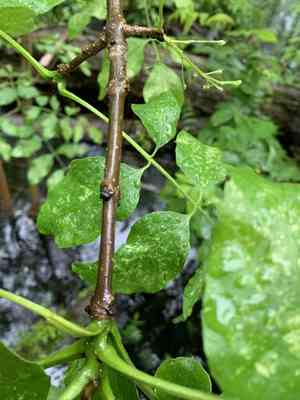
Pumpkin ash (Fraxinus profunda)
Also known as: Pumpkin Ash, Swamp Ash
Pumpkin ash (Fraxinus profunda), which typically thrives in swamps across the eastern United States, is now critically endangered. The primary cause of its decline is the emerald ash borer (Agrilus planipennis), an invasive beetle whose larvae disrupt the tree's nutrient and water transport systems, leading to tree death. Habitat destruction and alterations in wetland ecosystems further threaten its survival.
In This Article
Attributes of Pumpkin ash
Lifespan
Perennial
Plant Type
Tree
Plant Height
12 m to 30 m
Spread
9 m to 15 m
Leaf Color
Green Red Bronze
Flower Size
Small, not showy
Flower Color
Green Yellow Purple Lavender
Images of Pumpkin ash
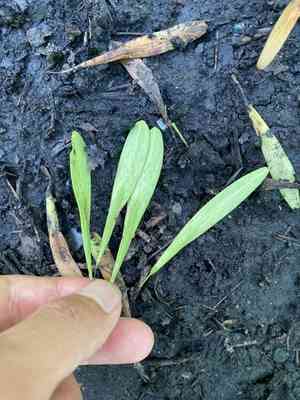
Quickly Identify Pumpkin ash
1
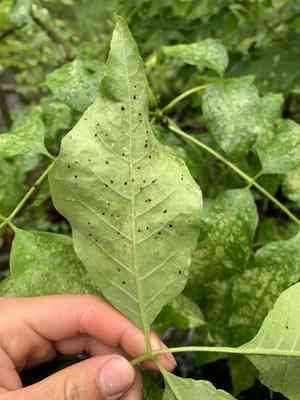
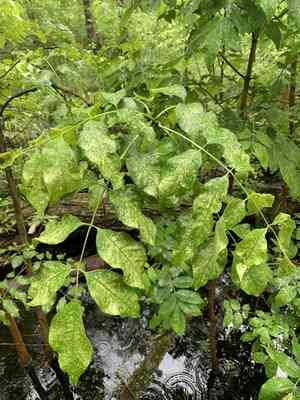
Leaves dark green, compound, 9-18 inches (23-46 cm) long with 7-9 leaflets; turn bronze in fall.
2
Distinctive light gray-brown bark with interlacing ridges, rough texture, and blocky appearance.
3
Flowers small, greenish, under 0.2 inches (5 mm) diameter, crucial for identification.
4
Fruit in drooping clusters, elongated samaras 2-3 inches (5-7.6 cm) long, one-winged with tan tones.
5
Often grows dioecious, with separate male and female trees; female trees bear fruit in late summer to fall.
Scientific Classification of Pumpkin ash
Phylum
Vascular plants
Class
Dicotyledons
Order
Lamiales
Family
Olive
Genus
Ashes
Species
Pumpkin ash
Planting and Growing of Pumpkin ash
Care Difficulty
Moderate
Watering Schedule
Every 2 days
Sunlight Requirements
Full sun
Sunshine Duration
6-10 hours
Ideal Temperature
60-75℉
Soil Type
Potting Mix, Peat Mix
Soil pH
6.5-7.5
Fertilizer Type
Balanced
Pruning Season
Spring, Summer
Pruning Area
Branches, Leaves
Pruning Frequency
2 times a year
Repotting Season
Spring
Pot Type
Plastic, Ceramic
 How to Water Pumpkin ash?
Fraxinus profunda requires a careful balance of water to thrive. Water it deeply with about 1000 ml each time, ensuring the soil is moist but not soggy. The key is to maintain consistent moisture without over-saturation, as the plant thrives in well-drained conditions.
What are the symptoms of an underwatered Pumpkin ash?
›
What should I do if my Pumpkin ash is not getting enough water?
›
What are the symptoms of an overwatered Pumpkin ash?
›
How to save an overwatered Pumpkin ash?
›
 What Are the Sunlight Requirements for Pumpkin ash?
Fraxinus profunda benefits from partial to full sun exposure. Ideal lighting ensures sufficient photosynthesis, leading to vigorous growth and resilience to environmental factors, enhancing its ornamental and ecological value.
More About Sunlight Requirements Techniques→
What are the ideal light conditions for Fraxinus profunda?
›
How to achieve these lighting conditions for optimal growth?
›
What are the benefits of providing ideal lighting?
›
 What Is the Ideal Temperature Range for Pumpkin ash?
Fraxinus profunda thrives best in a stable temperature range between 60°F and 75°F. This range supports optimal growth and metabolic processes. At these temperatures, photosynthesis and nutrient uptake occur efficiently, fostering healthy development.
 What Soil is Best for Pumpkin ash?
Fraxinus profunda thrives in nutrient-rich soils that provide essential minerals for robust growth. This ensures healthy foliage and a sturdy structure, especially important for this large tree species. The tree requires soil with good drainage to prevent root rot. This aids in maintaining a balanced moisture level without waterlogging, which is crucial for its deep root system. While drainage is vital, the soil should retain enough moisture to support sustained growth. This is particularly beneficial during dry spells, keeping the tree healthy and hydrated.
 How to Fertilize Pumpkin ash?
Fraxinus profunda typically requires a balanced fertilizer. For liquid fertilizers, use a 10-10-10 NPK formulation at half strength, applying about one gallon per mature tree. For slow-release fertilizers, a general rate is 1 pound per inch of trunk diameter, spread evenly around the root zone.
 How to Prune Pumpkin ash?
Start by cutting away dead, diseased, or damaged branches. Follow branches back to their point of origin and make clean cuts just outside the branch collar. This prevents the spread of pathogens and encourages healthy growth. Thin out crowded areas to increase light penetration and air circulation within the canopy. Selectively remove branches that cross over others or grow inward, ensuring you maintain the tree's natural shape and balance. Shape the tree by cutting back overgrown or misdirected branches. Aim for a balanced look while retaining the tree’s natural form. Make cuts at a slight angle away from a bud or side branch to ensure healthy growth direction.
More About Pruning Techniques→
 How to Propagate Pumpkin ash plant?
1
Collect seeds in the autumn from mature trees. Ensure the seeds are viable by performing a float test — viable seeds will sink. Store in a cool, dry place until spring.
2
Select healthy, young branches in late spring. Cut them about 6 inches long, ensuring a sharp angle cut just below a leaf node. Remove lower leaves to leave a few at the top.
3
Perform grafting in early spring. Match the diameter of the scion and the rootstock for a successful union. Use a cleft graft technique and secure with grafting tape.
 How to Repot Pumpkin ash plant?
1
Repot Fraxinus profunda when you notice roots growing out of the drainage holes, or the plant seems to lack vigor. Ideally, repot during early spring or late summer to avoid disturbing the plant during its peak growth periods.
2
Select a pot that is one size larger than the current one, ensuring it has ample drainage holes. A slightly larger pot supports root expansion without waterlogging, preventing root rot and promoting healthy growth.
3
Opt for a rich, loamy soil that retains moisture while offering excellent drainage. This helps the ash tree access essential nutrients while preventing the roots from becoming waterlogged or developing rot.



