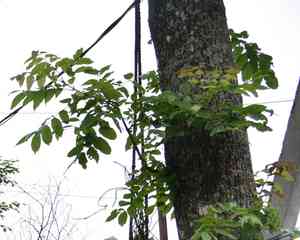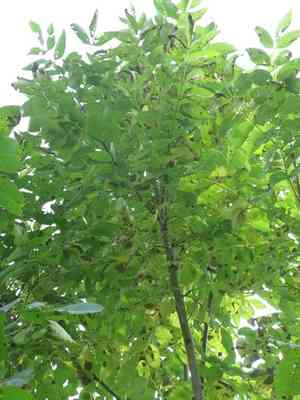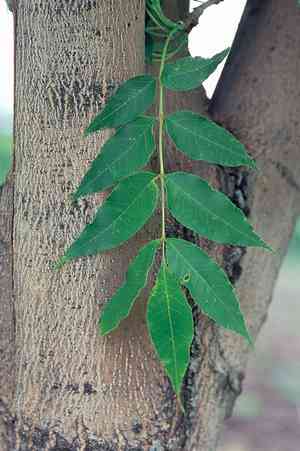
Manchurian ash(Fraxinus mandshurica)

Manchurian ash (Fraxinus mandshurica)

Also known as: Manchurian Ash, Chinese Ash

The Manchurian ash (Fraxinus mandshurica) is a deciduous tree, often reaching heights of up to 30 meters, and is well-adapted to the temperate forests of Northeast Asia. Its pinnately compound leaves transform into a striking yellow in the fall. The tree possesses a sturdy trunk that supports a wide, spreading canopy and features bark that becomes deeply furrowed as it matures.

One of the tree's notable adaptations is its production of winged seeds, known as samaras, which are efficiently dispersed by the wind. This, combined with its ability to thrive in cold climates, enables the Manchurian ash to establish and maintain its presence in diverse forest environments.

Attributes of Manchurian ash

Lifespan
Perennial
Plant Type
Tree
Plant Height
12 m to 15 m
Spread
8 m
Leaf Color
Green Yellow Red Orange Purple
Flower Size
0.3-0.5 cm
Flower Color
Yellow

ForwardPlant - Identify plants with a snap

Identify and diagnose plants, get toxicity alerts, and explore safety guides for all types of fungi.

Try for Free

Images of Manchurian ash

Manchurian ash(Fraxinus mandshurica)

Quickly Identify Manchurian ash

1
Identifiable by its compound leaves with 5-9 leaflets, grayish bark, and winged seeds (samaras). The leaves turn a brilliant yellow in the fall. The tree also has a rounded crown and can be quite tall.

Scientific Classification of Manchurian ash

Phylum
Vascular plants
Class
Dicotyledons
Order
Mints plantains olives and allies
Family
Olive
Genus
Ashes
Species
Manchurian ash

Planting and Growing of Manchurian ash

Care Difficulty
Easy
Watering Schedule
Every 3 days
Sunlight Requirements
Partial sun
Sunshine Duration
4-8 hours
Ideal Temperature
59-77℉
Soil Type
Potting Mix, Peat Mix
Soil pH
6.5-7.5
Fertilizer Type
Balanced
Pruning Season
Spring, Summer
Pruning Area
Branches, Leaves
Pruning Frequency
2 times a year
Repotting Season
Spring
Pot Type
Ceramic, Plastic

water icon How to Water Manchurian ash?

When watering Fraxinus mandshurica, aim to deeply soak the soil until water starts to drain out of the bottom of the container to ensure the roots receive sufficient moisture. Avoid shallow watering, as it won’t penetrate the entire root system.
What are the symptoms of an underwatered Manchurian ash?
What should I do if my Manchurian ash is not getting enough water?
What are the symptoms of an overwatered Manchurian ash?
How to save an overwatered Manchurian ash?

sunlight icon What Are the Sunlight Requirements for Manchurian ash?

Sunlight Requirements: Partial sun
Duration of light: 4-6 hours daily
Fraxinus mandshurica ideally enjoys partial sun, thriving with 4 to 6 hours of indirect sunlight. Proper lighting encourages healthy development and longevity.
What's the best type of sunlight for Fraxinus mandshurica?
How can you ensure this is achieved?
What benefits does ideal lighting bring to this plant?
More About Sunlight Requirements Techniques

temperature icon What Is the Ideal Temperature Range for Manchurian ash?

Ideal Temperature: 59 ~ 77℉
The ideal temperature range for growing Fraxinus mandshurica lies between 59°F and 77°F. Maintaining this temperature range ensures the plant can perform physiological processes efficiently, promoting healthy growth and development.

soil icon What Soil is Best for Manchurian ash?

Soil type: Loam, Sandy loam
Soil PH: 6.5 ~ 7.5
Fraxinus mandshurica prefers well-drained soil, which ensures that water does not stagnate around the roots, reducing the risk of rot. Well-drained soil promotes healthy root growth and better nutrient absorption. This tree benefits from soil with moderate fertility levels. Sufficient nutrients support its robust growth, enhancing its strong structural form and lush foliage without encouraging excessive growth that reduces resilience. Fraxinus mandshurica requires soil that can retain moisture yet remains airy and breathable. This balance prevents root dehydration, promoting sustained plant vitality even between waterings.

fertilize icon How to Fertilize Manchurian ash?

Fertilizer type: Balanced
For Fraxinus mandshurica, it is important to maintain a balanced approach to fertilization. Generally, a light application of well-balanced liquid fertilizer diluted to half strength is recommended when applied. Approximately 200 ml of diluted liquid fertilizer per tree should suffice, avoiding over-saturation of the soil.

prune icon How to Prune Manchurian ash?

Pruning Time: Spring, Summer
Start by removing any dead, diseased, or damaged branches. This not only helps in maintaining the tree's appearance but also promotes overall health by preventing the spread of diseases. Next, focus on cutting back any crossing or rubbing branches to enhance airflow through the canopy. Maintaining good air circulation reduces the risk of fungal infections. Lastly, shape the tree by trimming larger branches to maintain its majestic form, ensuring that no more than one-third of the crown is removed in a single pruning session to prevent stress. More About Pruning Techniques

propagate icon How to Propagate Manchurian ash plant?

Propagate Time: Spring, Early summer
1
Collect seeds in autumn when they have matured and dried on the tree. Clean and soak seeds in water for 24 hours to improve germination rates. Stratify them in a refrigerator for several weeks if needed.
2
In the spring, select healthy, disease-free branches and cut 6 to 12-inch sections from the new growth. Remove the lower leaves and treat the cutting base with rooting hormone before planting.
3
Place seeds or cuttings in well-draining soil, ideally in pots with a transparent cover to retain humidity. Water moderately and position them in indirect sunlight to avoid scorching.
More About Propagating Techniques

repot icon How to Repot Manchurian ash plant?

Repotting frequency: Every 2-3 years
1
Mature Fraxinus mandshurica plants signal the need for repotting when roots begin to circle the pot or emerge from drainage holes. This typically happens in spring or autumn when the plant is naturally more active.
2
Select a pot that is approximately two to three inches larger in diameter than the current one. This ensures enough room for growth, reduces stress, and helps prevent root-bound conditions, promoting healthier development.
3
Opt for a rich, well-drained soil mix with organic matter. This choice provides essential nutrients, enhances aeration, and improves water retention, replicating conditions the plant naturally thrives in.

ForwardPlant - Identify plants with a snap

Find the best spots for them to optimize their health, simply using your phone.

Try for Free