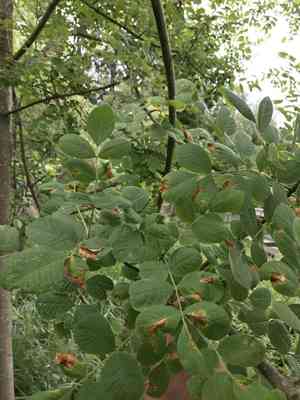
Oregon ash (Fraxinus latifolia)
Also known as: Oregon Ash, Broadleaf Ash
**Fraxinus latifolia**, commonly known as the Oregon ash, is indigenous to the Pacific Northwest region of the United States. The term 'latifolia' in its name signifies its characteristic broad leaves, which are wider compared to other ash species. This tree typically reaches heights of 18 to 24 meters and features a trunk diameter ranging from 41 to 76 centimeters.
In This Article
Attributes of Oregon ash
Lifespan
Perennial
Plant Type
Tree
Plant Height
20 m to 25 m
Spread
15 m
Leaf Color
Green Yellow
Flower Size
3 mm
Flower Color
Yellow Green
Images of Oregon ash
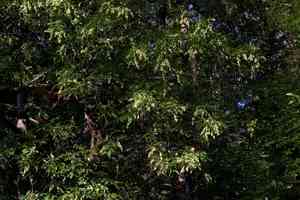
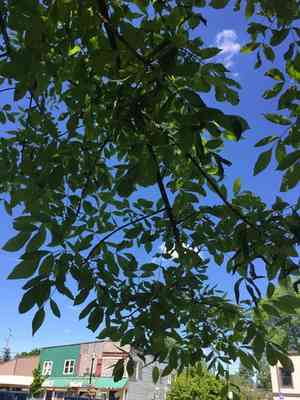
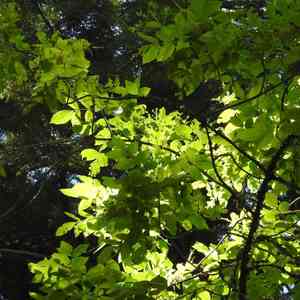
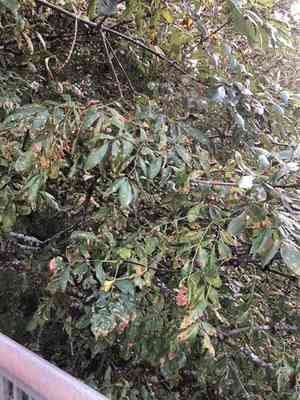
Quickly Identify Oregon ash
1
Wide pinnately compound leaves distinguish oregon ash within its genus.
2
Female flowers develop into winged samaras measuring 1-2 inches (2.5-5 cm) in length.
3
Odd pinnately compound leaves with 5-7 leaflets and serrated margins.
4
Robust stem with fuzzy-textured twigs and opposing buds, ranging in color from light gray to olive green.
5
Bark on trunk evolves into a dark gray-brown network of deep fissures and ridges.
Scientific Classification of Oregon ash
Phylum
Vascular plants
Class
Dicotyledons
Order
Lamiales
Family
Olive
Genus
Ashes
Species
Oregon ash
Planting and Growing of Oregon ash
Care Difficulty
Easy
Watering Schedule
Every 3 days
Sunlight Requirements
Full sun
Sunshine Duration
6-10 hours
Ideal Temperature
60-75℉
Soil Type
Potting Mix, Peat Mix
Soil pH
6.5-7.5
Fertilizer Type
Balanced
Pruning Season
Spring, Summer
Pruning Area
Branches, Leaves
Pruning Frequency
2 times a year
Repotting Season
Spring
Pot Type
Plastic, Ceramic
 How to Water Oregon ash?
For Fraxinus latifolia, the watering should be deep enough to reach the root system, approximately 500 ml each time. The principle is to saturate the soil thoroughly without water pooling at the surface.
What are the symptoms of an underwatered Oregon ash?
›
What should I do if my Oregon ash is not getting enough water?
›
What are the symptoms of an overwatered Oregon ash?
›
How to save an overwatered Oregon ash?
›
 What Are the Sunlight Requirements for Oregon ash?
Fraxinus latifolia thrives best in full to partial sunlight, benefiting from around 6 to 12 hours exposure. Amongst the benefits of optimal light exposure is increased resistance to diseases, thicker foliage, and stronger trunk development.
More About Sunlight Requirements Techniques→
Achieving Optimal Growth
›
Strategizing Tree Placement
›
Ensuring Sustainable Health
›
 What Is the Ideal Temperature Range for Oregon ash?
For optimal growth of Fraxinus latifolia, the ideal temperature range is between 60°F and 75°F. These temperatures mimic the plant's natural environment, supporting vigorous growth and healthy foliage.
 What Soil is Best for Oregon ash?
Fraxinus latifolia thrives best in well-drained soil, which prevents water from pooling around the roots. This minimizes the risk of root rot and ensures the trees receive the right amount of oxygen for healthy growth. Having a nutrient-rich substrate is crucial for this tree to support its expansive canopy. These nutrients fuel growth and help the tree resist pests and diseases, ensuring long-term vitality. Fraxinus latifolia prefers a pH range that is neutral to slightly acidic. This range allows essential minerals and nutrients to be available for absorption, promoting healthy foliage and strong structural growth.
 How to Fertilize Oregon ash?
For Fraxinus latifolia, the amount of fertilizer should be moderate, typically using 1 pound of balanced 10-10-10 granular fertilizer spread around the base of the tree. Be careful to avoid direct contact with the trunk to prevent burning.
 How to Prune Oregon ash?
Start with gathering the necessary tools like pruning shears, loppers, and a pruning saw. Each tool serves a specific purpose for different sizes and heights of branches. Examine the tree and identify branches that need removal. Focus on dead, diseased, or crossing branches, as eliminating these encourages robust growth and reduces disease risks. Make precise cuts at a 45-degree angle, just above a growth bud. This ensures healthy regrowth and minimizes the chance of disease entering through open cuts. Remove only about 10-20% of the tree’s foliage in one season. Over-pruning can stress the tree, leading to poor health and diminished growth, so it's crucial to maintain balance.
More About Pruning Techniques→
 How to Propagate Oregon ash plant?
1
Collect seeds from a mature Fraxinus latifolia tree in autumn and store them in a cool, dry place. In early spring, scarify the seeds by rubbing them with sandpaper and soak overnight in warm water to encourage germination.
2
Select healthy branches and cut them into segments 8-10 inches long using pruning shears. Make the cuts at a 45-degree angle and remove leaves from the lower half, dipping the cut end into rooting hormone for better growth.
3
Plant seeds or cuttings in seed trays filled with a mix of peat and perlite. Water thoroughly and place the trays in a bright location away from direct sunlight. Keep the soil consistently moist but not soggy.
 How to Repot Oregon ash plant?
1
Look for signs such as stunted growth, roots growing out of drainage holes, or soil that dries out quickly as indicators that Fraxinus latifolia needs repotting. These signals suggest that the plant has outgrown its current pot and requires more space for root expansion and nutrient uptake.
2
Select a pot that is 2-3 inches larger in diameter than the current one. It should have adequate drainage holes at the bottom to prevent waterlogging. A slightly bigger pot ensures the roots have enough room to grow while avoiding excessive soil that can retain too much moisture.
3
Opt for well-drained loamy soil rich in organic matter. Such soil provides the ideal balance of moisture retention and drainage, ensuring roots receive sufficient air and nutrients. This type of soil promotes healthy root growth and minimizes the risk of root rot.



