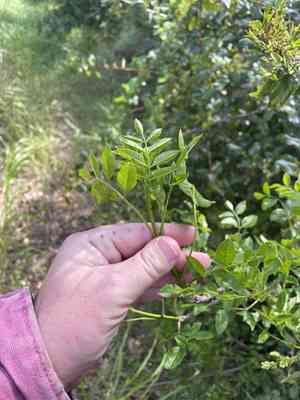
California ash (Fraxinus dipetala)
Also known as: Two-petal ash
The California ash (Fraxinus dipetala) is a deciduous shrub or small tree known for its fragrant clusters of white flowers and distinctive two-winged samaras. It typically grows with multiple stems and has a spreading form. This plant is commonly found in woodlands and on slopes, where it benefits from dappled sunlight. Its compound leaves turn yellow in the fall, providing seasonal interest in its native environments.
In This Article
Attributes of California ash
Lifespan
Perennial
Plant Type
Tree
Plant Height
2 to 5 meters
Spread
2 to 3 meters
Leaf Color
Green
Flower Size
Around 1 cm
Flower Color
White
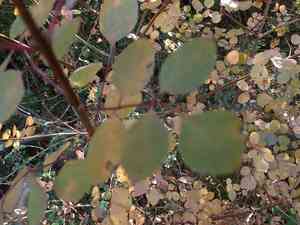
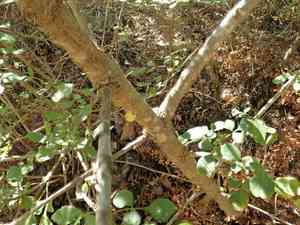
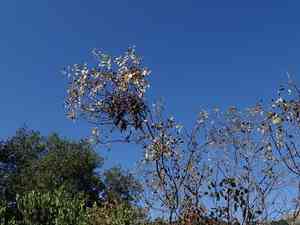
Images of California ash
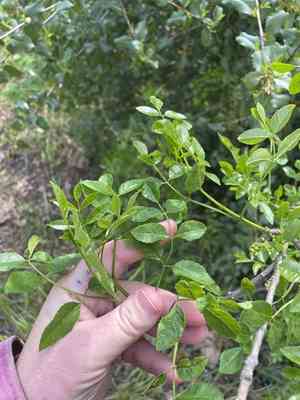
Quickly Identify California ash
1
Identify Fraxinus dipetala by its small stature, typically growing as a multi-stemmed shrub or small tree with compound leaves that have 3 to 7 leaflets. The flowers are notable for having only two petals, which is uncommon in the genus Fraxinus.
Scientific Classification of California ash
Phylum
Vascular plants
Class
Dicotyledons
Order
Lamiales
Family
Olive
Genus
Ashes
Species
California ash
Planting and Growing of California ash
Care Difficulty
Moderate
Watering Schedule
Every 3 days
Sunlight Requirements
Full sun
Sunshine Duration
4-6 hours
Ideal Temperature
65-75℉
Soil Type
Potting Mix, Peat Mix
Soil pH
6.5-7.5
Fertilizer Type
Balanced
Pruning Season
Spring, Summer
Pruning Area
Branches, Leaves
Pruning Frequency
2 times a year
Repotting Season
Spring
Pot Type
Plastic, Ceramic
 How to Water California ash?
For Fraxinus dipetala, aim to provide around 500 ml of water per session. The principle is to ensure the soil is moist to the touch, allowing water to reach the roots effectively but not causing waterlogging. The plant roots prefer soil that dries out slightly between waterings.
What are the symptoms of an underwatered California ash?
›
What should I do if my California ash is not getting enough water?
›
What are the symptoms of an overwatered California ash?
›
How to save an overwatered California ash?
›
 What Are the Sunlight Requirements for California ash?
Fraxinus dipetala ideally requires full sun, meaning extensive hours of direct sunlight exposure. This condition supports stronger, more resilient growth, encouraging denser foliage and improved lyrical vitality.
What is the ideal sunlight exposure for Fraxinus dipetala?
›
How can I achieve the ideal sunlight for Fraxinus dipetala?
›
What benefits does Fraxinus dipetala get from ideal lighting?
›
 What Is the Ideal Temperature Range for California ash?
The ideal temperature range for Fraxinus dipetala is between 65°F and 75°F. This range provides optimal conditions for growth, ensuring the plant thrives without stress caused by temperature fluctuations. Maintaining this range supports photosynthesis, nutrient uptake, and overall health.
 What Soil is Best for California ash?
Fraxinus dipetala thrives in well-drained soil which prevents waterlogging and root rot. This requirement ensures the roots have access to sufficient oxygen, promoting healthy growth and stability. A nutrient-rich substrate provides the essential nutrients needed for the robust growth of Fraxinus dipetala. This aids in strong trunk development and lush foliage, vital for the plant's overall vitality. Soil that retains moderate moisture without becoming soggy is ideal for Fraxinus dipetala. It enables consistent availability of water to the roots, essential for sustenance, especially during dry spells.
 How to Fertilize California ash?
For Fraxinus dipetala, the fertilizer amount should be moderate. Use approximately one tablespoon of balanced 10-10-10 granular fertilizer for every foot of plant height when applying a slow-release option. For liquid fertilizer, mix one teaspoon per gallon of water, ensuring even distribution during application.
 How to Prune California ash?
Begin your pruning by searching for any dead, diseased, or damaged branches. These should be removed first to prevent any disease from spreading and to promote the overall health of the tree. Look for overcrowded branches that inhibit light penetration. These should be thinned to open up the canopy, allowing light to reach lower branches and encouraging healthy new growth. After removing unwanted growth, step back and assess the tree's shape. Use your clippers to trim it into a balanced, aesthetically pleasing form, keeping in mind the tree's natural growth pattern.
More About Pruning Techniques→
 How to Propagate California ash plant?
1
Collect seeds from the Fraxinus dipetala in late summer or early autumn. Ensure that the seeds are mature and dry before storing or planting them.
2
Select healthy branches for cuttings in the early spring. Each cutting should be about 10-15 cm long and free from disease or pests.
3
Sow the seeds in a suitable soil mix or plant the prepared cuttings in pots filled with well-draining soil. Place them in a location with appropriate sunlight.
 How to Repot California ash plant?
1
Fraxinus dipetala typically signals its need for repotting when you observe roots emerging from the drainage holes or when the soil ceases to retain moisture effectively. Spring or autumn is ideal, as milder temperatures and increased humidity aid in minimizing transplant shock.
2
Choose a pot that is 2-3 inches larger in diameter than the current one and ensure it has adequate drainage holes. This prevents waterlogging and provides space for root growth, promoting healthier plant development and reducing the risk of root rot.
3
Opt for a well-draining, loamy soil mix that retains some moisture without becoming waterlogged. This encourages robust root growth, offers necessary nutrients, and ensures good aeration, reducing the risk of pests and diseases.



