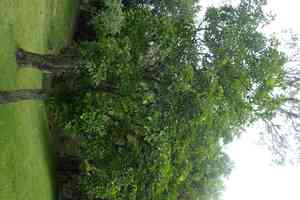
Chinese ash (Fraxinus chinensis)
Also known as: Chinese Ash
The Chinese tallow tree is a flowering species prevalent in China. This deciduous tree is cultivated primarily for the waxy coating on its seeds. It can reach a height of up to 15 meters.
In This Article
Attributes of Chinese ash
Lifespan
Perennial
Plant Type
Tree
Plant Height
10 m to 12 m
Spread
5-10 meters
Leaf Color
Green
Flower Size
Not applicable (flowers are small and inconspicuous)
Flower Color
Yellow Green
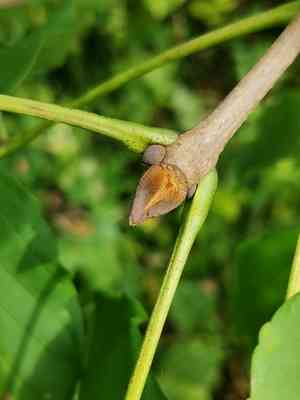
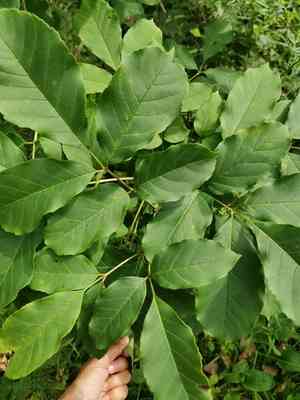
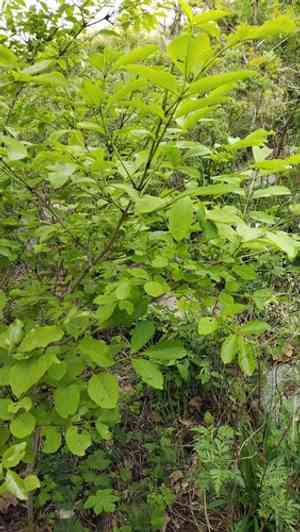
Images of Chinese ash

Quickly Identify Chinese ash
1
Chinese Ash can be identified by its opposite, pinnate leaves with 5-9 leaflets, gray-brown bark with shallow furrows, and winged samaras as its fruit.
Scientific Classification of Chinese ash
Phylum
Vascular plants
Class
Dicotyledons
Order
Mints plantains olives and allies
Family
Olive
Genus
Ashes
Species
Chinese ash
Planting and Growing of Chinese ash
Care Difficulty
Easy
Watering Schedule
Every 4 days
Sunlight Requirements
Full sun
Sunshine Duration
4-8 hours
Ideal Temperature
60-77℉
Soil Type
Potting Mix, Peat Mix
Soil pH
6.5-7.5
Fertilizer Type
Balanced
Pruning Season
Spring, Summer
Pruning Area
Branches, Leaves
Pruning Frequency
2 times a year
Repotting Season
Spring
Pot Type
Plastic, Terracotta
 How to Water Chinese ash?
For Fraxinus chinensis, water the plant until the soil is thoroughly moist, which is around 1000 ml per watering session. Make sure the water reaches the roots but does not saturate the soil.
What are the symptoms of an underwatered Chinese ash?
›
What should I do if my Chinese ash is not getting enough water?
›
What are the symptoms of an overwatered Chinese ash?
›
How to save an overwatered Chinese ash?
›
 What Are the Sunlight Requirements for Chinese ash?
Partial sun is ideal, as it ensures Fraxinus chinensis receives balanced sunlight, facilitating steady growth while avoiding stress, ultimately boosting its structural and aesthetic appeal.
More About Sunlight Requirements Techniques→
What is the best lighting for Fraxinus chinensis?
›
How to provide ideal lighting solutions?
›
What benefits do ideal lighting conditions offer?
›
 What Is the Ideal Temperature Range for Chinese ash?
For optimal growth, Fraxinus chinensis thrives in temperatures ranging from 60°F to 77°F. This range ensures the plant has the right amount of warmth for photosynthesis without being exposed to stress from excessive heat or cold.
 What Soil is Best for Chinese ash?
Fraxinus chinensis thrives best in well-drained soil that prevents waterlogging. This condition ensures the roots receive adequate oxygen, leading to healthier growth and less risk of root diseases. This plant prefers soil of moderate fertility, which provides essential nutrients without the risk of over-fertilization. Balanced nutrition supports robust development and resistance to pests. The soil should retain moisture to sustain growth during the dry season, yet not be too dense to cause rot. This ensures continuous hydration for vigorous leaf and overall plant vitality.
 How to Fertilize Chinese ash?
For Fraxinus chinensis, applying the right amount of fertilizer is crucial for optimal growth. During the growing season, use 50-100 grams of balanced granular fertilizer per tree. Liquid fertilizers should be diluted to 1/4 strength before application. This amount ensures the tree receives adequate nutrients without excessive buildup in the soil.
 How to Prune Chinese ash?
Choose sharp and clean pruning shears or a handsaw for larger branches. Proper tools prevent damage and ensure clean cuts, which is critical for the tree's healing process. Focus on removing dead, diseased, or crossing branches. Cut at a 45-degree angle just above a bud, which will promote upward growth and maintain an aesthetically pleasing shape. Start with larger branches and work your way to smaller ones. Avoid cutting more than a third of the tree at once to reduce stress on the tree.
More About Pruning Techniques→
 How to Propagate Chinese ash plant?
1
Gather mature seeds from a healthy specimen in autumn. Clean them of debris, and store in a cool, dry place until ready for sowing in spring.
2
For cuttings, choose a healthy branch and cut a section about 10-15 cm long. Ensure it has several leaves but remove the lower ones to expose nodes.
3
Choose a compatible rootstock and make an incision. Insert the scion, ensuring direct cambium contact. Secure tightly with grafting tape to promote union.
 How to Repot Chinese ash plant?
1
Keep an eye out for signs like roots growing out of the drainage holes or the soil drying out too quickly after watering. These indicators show that the Fraxinus chinensis requires more space and nutrients, making repotting necessary to ensure healthy, sustained growth.
2
Select a pot that is 2-3 inches larger in diameter than the current one, ensuring it has sufficient drainage holes. The increased size allows the roots to spread and the drainage holes prevent excess water accumulation, reducing the risk of root rot.
3
Opt for well-draining loamy soil, rich in organic matter, providing essential nutrients and ensuring proper moisture balance, which is crucial for the ash tree’s healthy establishment and growth. This type of soil also facilitates root aeration.
Learn More About Chinese ash Diseases
Anthracnose
Bacterial Leaf Spot
Black Spot
Chemical Injury
Crown Gall
Damping-off
Downy Mildew
Drought Stress
Fusarium Wilt
Gray Mold
Leaf Curl
Leaf Spot
Mosaic
Nutrient Deficiency
Nutrient Toxicity
Powdery Mildew
Root Rot
Root-knot Nematode
Rusts
Sooty Mold
Spider Mites
Temperature Stress
Thrips Damage
White Mold



