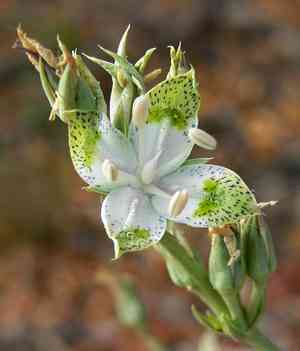
Desert frasera (Frasera albomarginata)
Also known as: Clark mountain green-gentian
Desert frasera is a hardy perennial herb known for its tall, sturdy stem and broad, basal rosette of leaves. During late spring to summer, it produces clusters of white flowers with distinctive green edges on a towering stalk. Ideal for open, dry environments, desert frasera flourishes in full sunlight and thrives in poor, well-drained soils, exemplifying the adaptability of desert flora.
In This Article
Attributes of Desert frasera
Lifespan
Perennial
Plant Type
Herb
Plant Height
15 to 60 cm
Spread
Not applicable, as it is a rosette-forming plant
Leaf Color
Green with white margins
Flower Size
Approximately 1 to 2 cm
Flower Color
Greenish-yellow with purple markings
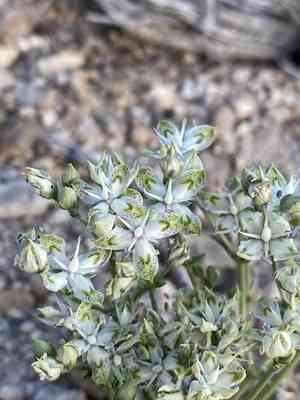
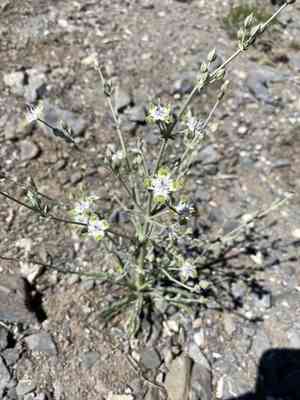
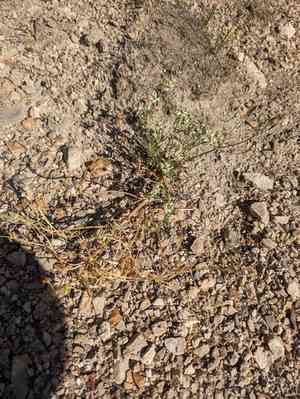
Images of Desert frasera
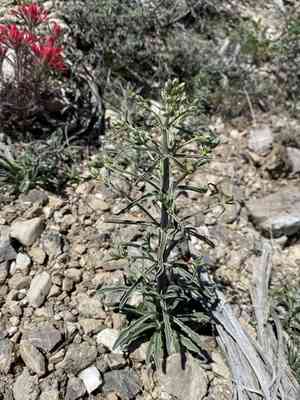
Quickly Identify Desert frasera
1
Frasera albomarginata can be identified by its distinctive green leaves with white margins and its tall flower spike that can rise above the rosette. The flowers are small, greenish-yellow with purple markings.
Scientific Classification of Desert frasera
Phylum
Vascular plants
Class
Dicotyledons
Order
Gentianales
Family
Gentian
Genus
Green gentian
Species
Desert frasera
Planting and Growing of Desert frasera
Care Difficulty
Hard
Watering Schedule
Every 2 days
Sunlight Requirements
Partial sun
Sunshine Duration
6-10 hours
Ideal Temperature
60-75℉
Soil Type
Potting Mix, Peat Mix
Soil pH
6.5-7.5
Fertilizer Type
Balanced
Pruning Season
Spring, Summer
Pruning Area
Branches, Leaves
Pruning Frequency
2 times a year
Repotting Season
Spring
Pot Type
Plastic, Ceramic
 How to Water Desert frasera?
Frasera albomarginata prefers a moderate amount of water due to its desert origins. When watering, ensure the soil is thoroughly moist but not drenched, allowing water to reach the roots without causing waterlogging.
What are the symptoms of an underwatered Desert frasera?
›
What should I do if my Desert frasera is not getting enough water?
›
What are the symptoms of an overwatered Desert frasera?
›
How to save an overwatered Desert frasera?
›
 What Are the Sunlight Requirements for Desert frasera?
Frasera albomarginata thrives best with half-day to full-day sunlight exposure. Ideal lighting conditions bolster vigorous growth and bloom while enabling efficient photosynthesis. This optimal exposure balances energy production against potential light stress, ensuring sustainability.
Solution
›
Concrete Measures
›
Achieved Effects
›
 What Is the Ideal Temperature Range for Desert frasera?
The ideal temperature range for Frasera albomarginata is between 60°F and 75°F. This range provides optimal conditions for photosynthesis, promoting healthy plant growth and vibrant foliage. Within this temperature range, the plant is able to maintain a balanced metabolism, which supports its overall health and flowering potential.
 What Soil is Best for Desert frasera?
Frasera albomarginata thrives in well-drained soils as it prevents waterlogging which can lead to root rot. Sandy and loamy soils promote efficient drainage enhancing root health and overall plant growth. This plant benefits from soil rich in organic matter which provides the essential nutrients required for its growth and flowering. A loamy soil enriched with compost can wonderfully support this requirement. While rich soil is advantageous, it's important to maintain moderate fertility to avoid nutrient overload, which can harm the plant. Balanced nutrients lead to a healthy balance of foliage and blossom production.
 How to Fertilize Desert frasera?
Frasera albomarginata typically requires a balanced fertilizer with a 10-10-10 NPK ratio. For liquid fertilizers, use 1 tablespoon per gallon of water. Solid fertilizers should be applied at a rate of 1/2 pound per 100 square feet. Adjust based on specific growth stages and environmental conditions.
 How to Prune Desert frasera?
Begin by using clean, sharp pruning shears. Remove any dead or diseased leaves and stems, cutting just above a healthy node. Focus on maintaining the plant's natural shape by selectively thinning out crowded growth. The plant tends to grow vigorously, so don't be afraid to prune more heavily if it appears overgrown. Start at the plant's base and work upwards. Identify and remove any stems that cross or rub against each other, as these can cause damage and create entry points for diseases. Trim any growth that extends beyond the desired shape to maintain a neat appearance. Always make cuts at a slight angle, which facilitates water runoff and reduces the risk of rot.
More About Pruning Techniques→
 How to Propagate Desert frasera plant?
1
Collect fresh and viable seeds from a mature Frasera albomarginata plant. Ensure seeds are clean and free of diseases. This involves inspecting for any visible signs of damage or discoloration.
2
Fill the seed tray with potting soil, leaving about an inch of space at the top. Lightly mist the soil with water until it is evenly moist, being careful not to oversaturate.
3
Evenly distribute the seeds over the surface of the moist soil. Gently press them in without burying them too deep, as they require some light exposure for germination. Cover lightly with a thin layer of soil or perlite.
 How to Repot Desert frasera plant?
1
Look for signs such as roots emerging from the drainage holes or the plant becoming root-bound. Frasera albomarginata likes a bit of space to stretch its roots. Also, if the soil has compacted or lost its drainage efficiency, it's time for a change.
2
Choose a pot that's just one size larger than the current one. This prevents the plant from being overwhelmed by too much space, which can retain excess moisture. Ensure the pot has good drainage holes to prevent waterlogging.
3
Opt for a well-draining sandy soil mix that mimics its natural rocky habitat. This ensures Frasera albomarginata's roots remain aerated and prevents root rot by allowing excess water to drain away quickly.
Learn More About Desert frasera Diseases
Anthracnose
Bacterial Leaf Spot
Bacterial Soft Rot
Bacterial Wilt
Crown Gall
Cyst Nematode
Damping-off
Downy Mildew
Drought Stress
Fusarium Wilt
Gray Mold
Leaf Spot
Mosaic
Nutrient Deficiency
Nutrient Toxicity
Powdery Mildew
Root Rot
Root-knot Nematode
Rusts
Sooty Mold
Spider Mites
Temperature Stress
Thrips Damage
White Mold



