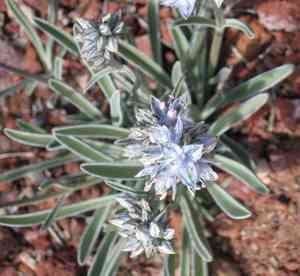
Whitestem frasera (Frasera albicaulis)
Also known as: Purple green-gentian
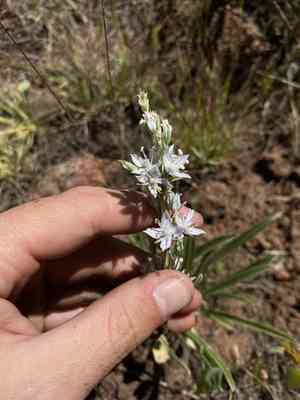
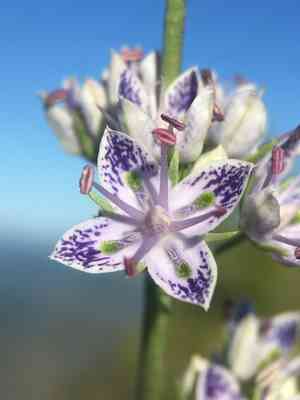
The flower features a calyx composed of four pointed sepals. Its corolla is made up of four pointed lobes, each measuring between half to one centimeter in length. The corolla's color ranges from pale greenish white to light blue or purple, often adorned with darker blue dots, streaks, or veins. Additionally, the flower has four stamens with prominent anthers and a central ovary.
In This Article
Attributes of Whitestem frasera
Lifespan
Perennial
Plant Type
Herb
Plant Height
30 cm to 76 cm
Spread
Not applicable
Leaf Color
Green
Flower Size
2 to 5 cm
Flower Color
Greenish-yellow
Images of Whitestem frasera
Quickly Identify Whitestem frasera
1
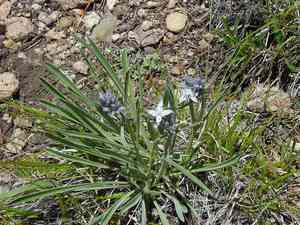
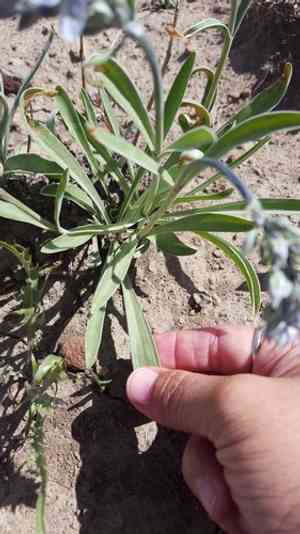
Frasera albicaulis can be identified by its tall, erect stems, whitish coloring, and large, clustered greenish-yellow flowers with speckled petals. The leaves are lanceolate and arranged in whorls around the stem.
Scientific Classification of Whitestem frasera
Phylum
Vascular plants
Class
Dicotyledons
Order
Gentianales
Family
Gentian
Genus
Green gentian
Species
Whitestem frasera
Planting and Growing of Whitestem frasera
Care Difficulty
Hard
Watering Schedule
Every 3 days
Sunlight Requirements
Full sun
Sunshine Duration
6-10 hours
Ideal Temperature
60-75℉
Soil Type
Potting Mix, Peat Mix
Soil pH
6.5-7.5
Fertilizer Type
Balanced
Pruning Season
Spring, Summer
Pruning Area
Branches, Leaves
Pruning Frequency
2 times a year
Repotting Season
Spring
Pot Type
Plastic, Ceramic
 How to Water Whitestem frasera?
When watering Frasera albicaulis, aim for around 500 ml per session, ensuring the soil is moist but not waterlogged. The plant appreciates a well-balanced hydric environment to thrive, preventing dry spells or soggy conditions.
What are the symptoms of an underwatered Whitestem frasera?
›
What should I do if my Whitestem frasera is not getting enough water?
›
What are the symptoms of an overwatered Whitestem frasera?
›
How to save an overwatered Whitestem frasera?
›
 What Are the Sunlight Requirements for Whitestem frasera?
Frasera albicaulis flourishes in conditions ranging from full to partial sun. Sustaining ideal light conditions fosters healthy photosynthesis, boosting growth and vitality while supporting its natural beauty.
What is the ideal lighting for Frasera albicaulis?
›
How can I ensure Frasera albicaulis gets its required sun exposure?
›
What are the benefits of optimal lighting for Frasera albicaulis?
›
 What Is the Ideal Temperature Range for Whitestem frasera?
Frasera albicaulis thrives best in moderate temperature conditions, typically between 60°F and 75°F. These conditions mimic the plant’s natural mountainous habitat where consistent, mild climates are key to its optimal growth. Maintaining this temperature range ensures the plant can photosynthesize efficiently and remain healthy.
 What Soil is Best for Whitestem frasera?
Frasera albicaulis thrives in soil that provides excellent drainage. This is crucial as it prevents root rot by allowing excess water to flow away efficiently, ensuring healthy plant roots. A soil rich in organic matter, like compost or aged manure, is ideal for the growth of Frasera albicaulis. This enrichment gives the plant vital nutrients necessary for robust growth and flower production. The soil should retain moderate moisture, not too dry or too soggy. Maintaining balanced moisture levels helps Frasera albicaulis to uptake water without stress, facilitating optimal growth conditions.
 How to Fertilize Whitestem frasera?
For Frasera albicaulis, it is crucial to maintain a balanced nutrient supply. Apply liquid fertilizer at a rate of half-strength per regular dose, approximately 50-70 ml, per application to avoid overfeeding. For solid fertilizers, use a well-balanced slow-release product, about 28 grams, applied evenly around the root zone.
 How to Prune Whitestem frasera?
Before you begin pruning Frasera albicaulis, ensure that you have clean, sharp shears or scissors. Sterilizing your tools with alcohol or bleach solution can prevent the spread of diseases. Carefully inspect the plant for any stems that appear dead or diseased. These should be removed first. Cutting them back to the base of the plant helps prevent any potential disease spread. Focus on maintaining the plant's natural form by making clean cuts just above a leaf node or bud. This encourages more lateral growth and a sturdier structure.
More About Pruning Techniques→
 How to Propagate Whitestem frasera plant?
1
Fill seed trays with potting soil, leaving space at the top to prevent soil spillage when watering. Lightly compact the soil and moisten it evenly to create an ideal environment for seed germination.
2
Scatter Frasera albicaulis seeds evenly over the soil surface and cover them lightly with a thin layer of soil. Ensure they are evenly spread to prevent overcrowding and ensure adequate light and air circulation.
3
Place trays in a warm, sunny location and mist the soil with water regularly. Maintain soil moisture without over-watering and ensure steady temperatures to support germination and growth.
 How to Repot Whitestem frasera plant?
1
Frasera albicaulis is ready for repotting when its roots visibly outgrow the current pot, or if water takes longer to drain through the soil. Spring and early summer offer optimal conditions for the plant to recover from the stress of repotting.
2
Select a pot that is slightly larger than the current one, ensuring it has ample drainage holes. A terracotta pot is preferred as it allows the soil to breathe and prevents root rot, benefiting the plant's long-term health.
3
Opt for a well-draining soil mix tailored for desert-plants. This ensures excellent drainage, preventing waterlogging and promoting healthy root development, vital for Frasera albicaulis's growth.
Learn More About Whitestem frasera Diseases
Anthracnose
Bacterial Leaf Spot
Bacterial Soft Rot
Bacterial Wilt
Black Spot
Chemical Injury
Crown Gall
Cyst Nematode
Damping-off
Downy Mildew
Drought Stress
Fusarium Wilt
Gray Mold
Leaf Spot
Mosaic
Nutrient Deficiency
Nutrient Toxicity
Powdery Mildew
Root Rot
Root-knot Nematode
Rusts
Sooty Mold
Spider Mites
Temperature Stress
Thrips Damage
White Mold



