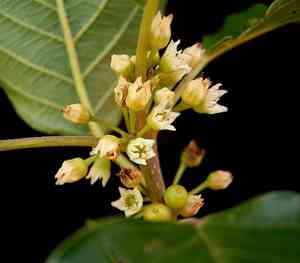
Alder buckthorn (Frangula alnus)
Also known as: Butcher's frick tree
The Alder buckthorn (Frangula alnus) is a deciduous shrub indigenous to Europe, northwestern Africa, and western Asia. It typically thrives in moist soils found in open woodlands and boggy areas. Historically, it has been utilized in the production of gunpowder. In the United States, it is regarded as an invasive species.
Attributes of Alder buckthorn
Images of Alder buckthorn
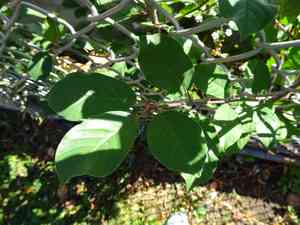
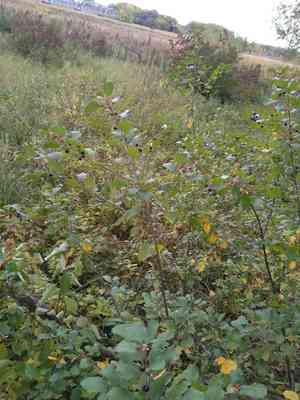
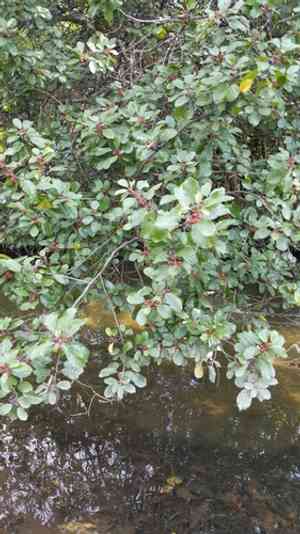
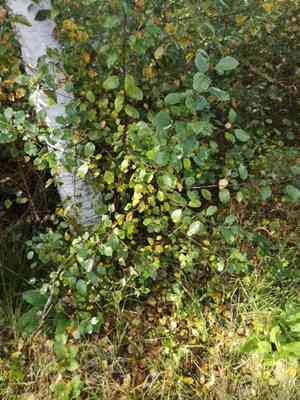
Quickly Identify Alder buckthorn
Scientific Classification of Alder buckthorn
Planting and Growing of Alder buckthorn
 How to Water Alder buckthorn?
 What Are the Sunlight Requirements for Alder buckthorn?
 What Is the Ideal Temperature Range for Alder buckthorn?
 What Soil is Best for Alder buckthorn?
 How to Fertilize Alder buckthorn?
 How to Prune Alder buckthorn?
 How to Propagate Alder buckthorn plant?
 How to Repot Alder buckthorn plant?
Toxicity of Alder buckthorn
Is Alder buckthorn toxic to humans?
The alder buckthorn features attractive berries that should be avoided by adults and stored securely away from children. These berries are known to contain toxic glycosides, which can lead to gastrointestinal issues, including stomach upset, nausea, excessive drooling, vomiting, gas, cramps, and diarrhea. Young children or those consuming a larger quantity may experience more severe symptoms. Typically, these adverse effects will subside after several days.
Is Alder buckthorn toxic to cat?
Alder buckthorn is identified as a toxic species for cats, with each part of the plant posing a risk of harm. Cats may accidentally consume various parts of alder buckthorn, resulting in potential exposure to its toxic properties. Following ingestion, cats can display a range of physical ailments or symptoms of sickness that require urgent medical attention. In such cases, it is vital for cat owners to obtain veterinary assistance swiftly to secure the optimal outcome for their feline companion.
Is Alder buckthorn toxic to dog?
Alder buckthorn is recognized as toxic to dogs. Canines may inadvertently consume parts of this plant, resulting in a risk of poisoning. Every part of the plant, including its leaves, berries, bark, and roots, harbors toxic substances that can adversely affect a dog's health. Following the ingestion of alder buckthorn, dogs may show signs such as vomiting, diarrhea, lethargy, and alterations in urine color. It is essential for dog owners to remain alert and prevent their pets from coming into contact with alder buckthorn. If poisoning is suspected, prompt veterinary attention is vital to safeguard the health of the affected dog.



