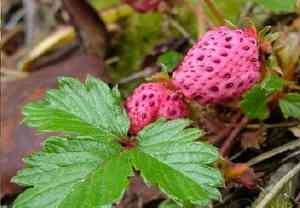
Strawberries (Fragaria) (Fragaria)
Also known as: Strawberry
Strawberries, widely cultivated for their delicious fruits, can exhibit a flavor spectrum from sweet to tangy. Factors like variety, ripeness, and growing conditions influence their taste. While commonly referred to as berries, strawberries are not true botanical berries. They are a significant commercial crop in temperate regions, and their leaves are also a food source for certain butterfly and moth larvae.
In This Article
Attributes of Strawberries (Fragaria)
Lifespan
Perennial
Plant Height
Up to 30 cm
Spread
Approximately 45 cm
Leaf Color
Green
Flower Size
1-2 cm
Flower Color
White
Images of Strawberries (Fragaria)



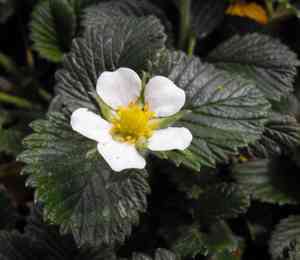
Quickly Identify Strawberries (Fragaria)
1
Strawberries can be identified by their compound leaves, which usually have three leaflets with serrated edges, white to pinkish flowers with five petals, and red, juicy fruits that are covered in tiny seeds.
Scientific Classification of Strawberries (Fragaria)
Phylum
Magnoliophyta
Class
Magnoliopsida
Order
Rosales
Family
Rosaceae
Genus
Fragaria
Planting and Growing of Strawberries (Fragaria)
Care Difficulty
Moderate
Watering Schedule
Every 8 days
Sunlight Requirements
Full sun
Sunshine Duration
4-8 hours
Ideal Temperature
60-80℉
Soil Type
Potting Mix, Peat Mix
Soil pH
5.5-7
Fertilizer Type
Balanced
Pruning Season
Spring, Summer
Pruning Area
Branches, Leaves
Pruning Frequency
2 times a year
Repotting Season
Spring
Pot Type
Plastic, Ceramic
 How to Water Strawberries (Fragaria)?
When watering Fragaria, ensure the soil is moist but not soggy by providing approximately 250 ml each time. The goal is to mimic the natural rainfall these plants would experience in the wild, providing enough water to keep the soil consistently moist. Be cautious not to create waterlogged conditions that could drown the roots.
What are the symptoms of an underwatered Strawberries (Fragaria)?
›
What should I do if my Strawberries (Fragaria) is not getting enough water?
›
What are the symptoms of an overwatered Strawberries (Fragaria)?
›
How to save an overwatered Strawberries (Fragaria)?
›
 What Are the Sunlight Requirements for Strawberries (Fragaria)?
Fragaria plants ideally require full sun to partial sun conditions. This range promotes vigorous growth, ensuring bountiful fruiting and robust plant development, critical for a healthy harvest.
How much sunlight is ideal for Fragaria?
›
What are common challenges with insufficient sunlight for Fragaria?
›
How can I ensure Fragaria receives the right amount of light in varying climates?
›
 What Is the Ideal Temperature Range for Strawberries (Fragaria)?
The ideal temperature range for the growth of Fragaria, commonly known as strawberries, is between 60°F and 80°F. This range provides the optimal conditions for photosynthesis, respiration, and other metabolic processes that are essential for the plant's development. Within this temperature range, the plants can efficiently absorb nutrients and water, leading to healthy growth and fruit production.
 What Soil is Best for Strawberries (Fragaria)?
Fragaria requires well-drained soil to prevent root rot and allow healthy root development. Good drainage ensures oxygen availability and prevents waterlogging, which can be detrimental to plant growth. Rich soil enriched with organic matter is essential for Fragaria. It provides the necessary nutrients for vigorous growth and abundant fruit production, ensuring healthy and flavorful strawberries. While Fragaria needs well-drained soil, it also requires soil that retains some moisture. Adequate moisture levels support continuous nutrient uptake and prevent wilting during dry spells.
 How to Fertilize Strawberries (Fragaria)?
For Fragaria, you'll want to apply about 2-4 pounds of a balanced 10-10-10 fertilizer per 100 square feet of growing area each season. This ensures that the plants have enough nutrients to produce sweet, juicy strawberries without overloading them with salts or other compounds that could lead to nutrient imbalances in the soil.
 How to Prune Strawberries (Fragaria)?
To focus energy on producing larger, juicier strawberries, trim off the runner stems. These stems divert energy from fruit production. Trace each runner back to its base and make a clean cut to remove it. Thin out excess foliage by selectively removing leaves that are crowding the center of the plant. This increases air circulation, which helps reduce fungal diseases and allows sunlight to reach developing fruit. After the fruiting season, prune back the plants to remove old leaves and stems. This helps prevent disease and pest infestations over the dormant period and prepares the plant for robust growth in the coming season.
 How to Propagate Strawberries (Fragaria) plant?
1
Select a healthy parent plant and use sterile pruners to cut a healthy runner or leaf. The chosen section should be disease-free and contain at least two leaf nodes. Remove any flowers or fruit as these can drain energy from the new cutting.
2
Choose a shallow seed tray and fill it with a well-draining potting mix. Scatter Fragaria seeds over the surface and cover lightly with more potting mix. Water the seeds gently and place the tray in a warm, well-lit area, keeping the soil moist but not waterlogged.
3
For division propagation, carefully dig up a mature Fragaria plant and divide the crown into sections, each containing roots and shoots. Replant each section into fresh soil, ensuring that the roots are adequately covered while keeping the crown above the soil line.
 How to Repot Strawberries (Fragaria) plant?
1
Knowing when to repot your Fragaria, or strawberry plant, is crucial for its health and growth. Look for signs like root-bound conditions where roots are growing out of the drainage holes, or if the potting soil dries out very quickly. If you notice stunted growth or see roots above the soil surface, these are signals your Fragaria needs a roomier pot.
2
Selecting the right pot is important for your strawberry plant's well-being. Choose a pot that is slightly larger than the current one, with good drainage holes to prevent waterlogging. Opting for clay pots can help with moisture regulation, as they allow excess moisture to evaporate through the walls, keeping roots healthy and happy.
3
Selecting the appropriate soil mix for your Fragaria is essential. Use a well-draining loamy mix rich in organic matter. This type of soil ensures that the plant gets adequate drainage to prevent root rot while providing enough nutrients for healthy growth. A soil mix with some sand or perlite added can improve aeration.
Learn More About Strawberries (Fragaria) Diseases
Anthracnose
Bacterial Leaf Spot
Bacterial Soft Rot
Crown Gall
Cyst Nematode
Damping-off
Downy Mildew
Drought Stress
Fusarium Wilt
Gray Mold
Leaf Spot
Mosaic
Nutrient Deficiency
Nutrient Toxicity
Powdery Mildew
Root Rot
Root-knot Nematode
Rusts
Sooty Mold
Spider Mites
Temperature Stress
Thrips Damage
White Mold
Chemical Injury

