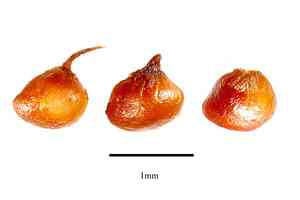
Woodland strawberry (Fragaria vesca)
Also known as: Fraisier Des Bois, Wood strawberry, European strawberry
The plant you're describing is the Alpine strawberry (Fragaria vesca). This ever-bearing variety spreads via runners that root along the way. It produces small but edible fruit throughout the year. Due to its tiny fruit, Alpine strawberries are often used more for ornamental purposes or as ground cover.
In This Article
Attributes of Woodland strawberry
Lifespan
Perennial
Plant Type
Herb
Plant Height
5 cm to 30 cm
Spread
22 cm to 30 cm
Leaf Color
Green
Flower Size
1.3 cm to 1.5 cm
Flower Color
White
Images of Woodland strawberry
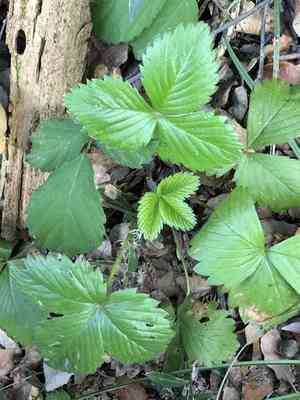
Quickly Identify Woodland strawberry
1
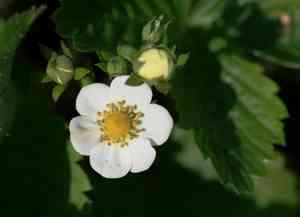
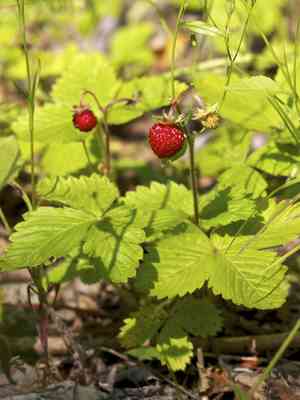
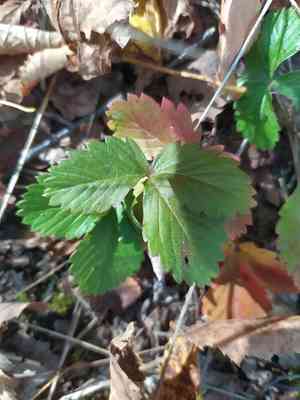
Woodland strawberries can be identified by their small, trifoliate leaves with serrated edges, white five-petaled flowers with a yellow center, and small red fruits usually bearing achenes (seeds) on the surface.
Scientific Classification of Woodland strawberry
Phylum
Vascular plants
Class
Dicotyledons
Order
Roses, elms, figs, and allies
Family
Rose
Genus
Strawberries
Species
Woodland strawberry
Planting and Growing of Woodland strawberry
Care Difficulty
Easy
Watering Schedule
Every 4 days
Sunlight Requirements
Full sun
Sunshine Duration
6-10 hours
Ideal Temperature
60-75℉
Soil Type
Potting Mix, Peat Mix
Soil pH
6.5-7.5
Fertilizer Type
Balanced
Pruning Season
Spring, Summer
Pruning Area
Branches, Leaves
Pruning Frequency
2 times a year
Repotting Season
Spring
Pot Type
Plastic, Terracotta
 How to Water Woodland strawberry?
For Fragaria vesca, watering should be thorough yet moderate, ensuring the soil remains consistently moist but not waterlogged. The goal is to maintain moisture that you can feel with your fingertips without drowning the roots. Observe the moisture level about an inch or two below the soil surface to guide your watering needs.
More About Watering Techniques→
What are the symptoms of an underwatered Woodland strawberry?
›
What should I do if my Woodland strawberry is not getting enough water?
›
What are the symptoms of an overwatered Woodland strawberry?
›
How to save an overwatered Woodland strawberry?
›
 What Are the Sunlight Requirements for Woodland strawberry?
Fragaria vesca flourishes between full sun and partial sun settings, benefiting from 6 to 8 hours of light daily. Ideal lighting supports vigorous growth, improved flowering, and plentiful, flavorful fruit yields.
More About Sunlight Requirements Techniques→
What is the ideal lighting for Fragaria vesca?
›
How can I ensure Fragaria vesca gets the ideal light?
›
What are the benefits of ideal lighting for Fragaria vesca?
›
 What Is the Ideal Temperature Range for Woodland strawberry?
The ideal temperature range for Fragaria vesca, commonly known as wild strawberry, lies between 60°F to 75°F. This temperature range provides optimal conditions for growth, flowering, and fruiting, ensuring that the plant can thrive and produce quality strawberries.
 What Soil is Best for Woodland strawberry?
Fragaria vesca thrives in soil that allows air to circulate freely. Well-aerated soil ensures the roots can breathe and absorb nutrients efficiently, leading to healthier growth and abundant fruit production. This plant prefers soil that retains moisture but drains excess water. Proper moisture balance prevents root rot and keeps the plant hydrated, promoting lush foliage and flavorful fruits. Rich nutrient content in the soil is crucial for Fragaria vesca's growth. Fertile soil promotes robust plant development, vibrant leaves, and increased yield, ensuring the strawberries are delicious and plentiful.
More About Soil→
 How to Fertilize Woodland strawberry?
Fragaria vesca, commonly known as wild strawberry, benefits from a gentle fertilization approach. For liquid fertilizers, use a solution mixed at half the recommended strength, approximately 50% of the manufacturer's suggestion. Generally, 1 to 2 tablespoons per gallon of water should suffice. For solid fertilizers, such as granular slow-release types, an annual total of about 1 to 1.5 pounds per 100 square feet is recommended, applied in early spring.
More About Fertilizing Techniques→
 How to Prune Woodland strawberry?
Prune Fragaria vesca in early spring and throughout summer for optimal results. Pruning before new growth starts lets the plant recover and flourish during its peak growing periods. Always sterilize your pruning tools before and after use to prevent transmitting diseases between plants. A simple solution of water and bleach works wonders for sanitation. Be cautious not to damage new growth. These young shoots are essential for developing the next batch of leaves and flowers, which are critical for a bountiful harvest.
More About Pruning Techniques→
 How to Propagate Woodland strawberry plant?
1
To propagate Fragaria vesca from seeds, it is important to first prepare the seeds by soaking them in water for 12 to 24 hours. This step helps soften the seed coat, accelerating germination when planted in seed trays filled with appropriate soil.
2
When propagating through cuttings, select healthy runners from the parent plant. Use sharp pruning shears to cut about 10 cm below the node. Ensure that each cutting has at least one leaf and no flowers to channel energy into root development.
3
For division propagation, carefully dig up a mature Fragaria vesca plant, separating clumps of crowns that each have a root system. Replant these divisions in well-prepared soil, ensuring that they are adequately watered and shaded during their initial growth period.
 How to Repot Woodland strawberry plant?
1
Repotting Fragaria vesca is usually indicated when you notice that the plant's roots are protruding from the drainage holes, the soil dries out rapidly, or the growth rate has noticeably slowed down. These are clear signals that the plant has outgrown its current container and needs more room to thrive.
2
Selecting the right pot involves opting for a container that is 1-2 inches larger in diameter than the current one. Ensure it has sufficient drainage holes to prevent waterlogging, which can lead to root rot. A slightly larger pot gives roots space to expand, supporting more robust growth.
3
For Fragaria vesca, it's essential to use a well-draining potting mix. This type of soil ensures excess water doesn't accumulate around the roots, reducing the risk of root rot and providing a stable base for nutrients and air circulation necessary for healthy plant growth.
Learn More About Woodland strawberry Diseases
Anthracnose
Bacterial Leaf Spot
Bacterial Soft Rot
Bacterial Wilt
Chemical Injury
Crown Gall
Cyst Nematode
Damping-off
Downy Mildew
Drought Stress
Fusarium Wilt
Gray Mold
Leaf Spot
Mosaic
Nutrient Deficiency
Nutrient Toxicity
Powdery Mildew
Root Rot
Root-knot Nematode
Rusts
Spider Mites
Temperature Stress
Thrips Damage
White Mold



