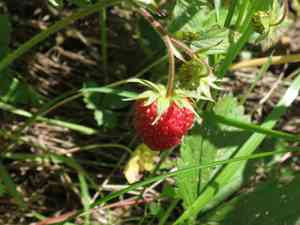
Fragaria orientalis (Fragaria orientalis)
Also known as: Wild Strawberry, Oriental Strawberry
*Fragaria virginiana* is a wild strawberry species indigenous to eastern areas, flourishing in temperate environments. This perennial forms spreading mats with trifoliate leaves and white blossoms, which give rise to aromatic, red berries. The plant's runners enable it to extend across forest floors and meadow edges efficiently. While the berries are edible, they are primarily consumed by wildlife.
In This Article
Attributes of Fragaria orientalis
Lifespan
Perennial
Plant Type
Herb
Plant Height
10-20 cm
Spread
20-30 cm
Leaf Color
Green
Flower Size
1-2 cm
Flower Color
White
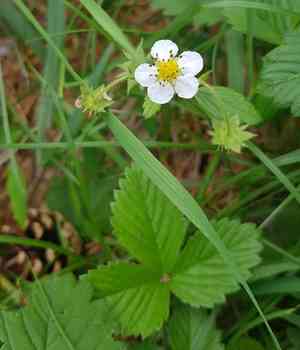
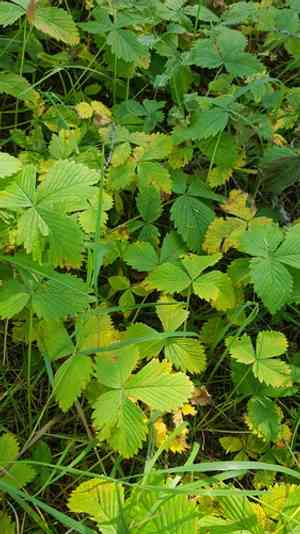
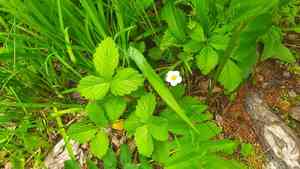
Images of Fragaria orientalis

Quickly Identify Fragaria orientalis
1
Identification can be done by observing the trifoliate leaves, each with three oval leaflets, as well as the small white flowers with yellow centers and the red, fleshy berries that follow.
Scientific Classification of Fragaria orientalis
Phylum
Vascular plants
Class
Dicotyledons
Order
Roses, elms, figs, and allies
Family
Rose
Genus
Strawberries
Species
Fragaria orientalis
Planting and Growing of Fragaria orientalis
Care Difficulty
Moderate
Watering Schedule
Every 3 days
Sunlight Requirements
Partial sun
Sunshine Duration
6-10 hours
Ideal Temperature
55-75℉
Soil Type
Potting Mix, Peat Mix
Soil pH
6.5-7.5
Fertilizer Type
Balanced
Pruning Season
Spring, Summer
Pruning Area
Branches, Leaves
Pruning Frequency
2 times a year
Repotting Season
Spring
Pot Type
Plastic, Ceramic
 How to Water Fragaria orientalis?
When watering Fragaria orientalis, you should aim to provide about 250 ml of water each time. The goal is to moisten the soil deeply without leaving it waterlogged. Ensure the water reaches the roots, and allow excess to drain away. The soil should feel like a well-wrung sponge: moisture-rich, but not soggy.
What are the symptoms of an underwatered Fragaria orientalis?
›
What should I do if my Fragaria orientalis is not getting enough water?
›
What are the symptoms of an overwatered Fragaria orientalis?
›
How to save an overwatered Fragaria orientalis?
›
 What Are the Sunlight Requirements for Fragaria orientalis?
Fragaria orientalis benefits most from partial sun, ideally experiencing gentle morning sunshine. This encourages healthy growth and fruitful yields without the risk of sun stress.
Best Light Exposure
›
Solution for Ideal Sunlight
›
Benefits of Ideal Lighting
›
 What Is the Ideal Temperature Range for Fragaria orientalis?
The ideal temperature range for cultivating Fragaria orientalis is between 55°F and 75°F. This range supports the optimal growth and development of the plant by ensuring that metabolic processes, such as photosynthesis and nutrient uptake, occur efficiently. At these temperatures, the plant's enzymatic activities are at their peak, facilitating healthy foliage and fruit production.
 What Soil is Best for Fragaria orientalis?
Fragaria orientalis thrives in well-draining soil as it prevents root rot by avoiding waterlogging. This soil condition allows the roots to access moisture without suffocation, ensuring healthy plant growth. This plant prefers soil that is rich in organic matter, which provides essential nutrients and fosters robust growth. By ensuring high nutrient availability, the plant can support its fruiting needs effectively. A soil pH between 6.5 and 7.5 is optimal for Fragaria orientalis, offering a conducive environment for nutrient uptake. Slightly acidic soil enhances iron solubility, crucial for the plant’s chlorophyll production.
 How to Fertilize Fragaria orientalis?
Fragaria orientalis thrives on balanced fertilization. The recommended amount is 1/4 to 1/2 cup of a balanced 10-10-10 NPK fertilizer per plant annually. Ensure even distribution around the root zone while avoiding direct contact with the plant stem to prevent fertilizer burn.
 How to Prune Fragaria orientalis?
Before starting, ensure that your tools are sterilized to prevent plant diseases. Sharp tools make cleaner cuts that heal better. Assess the plant's overall structure to decide which areas need attention. Start by eliminating any dead or diseased leaves and stems. This will encourage the plant's energy to focus on producing healthy, robust fruit. Use clean cuts at the base of the stems to prevent pathogens from entering. Prune the plant to allow better sunlight penetration and improved air circulation, which is crucial for preventing mildew and disease. Remove any sprawling runners that are not required for propagation. In late autumn, cut back excessive growth to help the plant conserve energy for the winter. This also tidies up the plant's appearance, making it look well-managed and prepared for the next growth cycle.
More About Pruning Techniques→
 How to Propagate Fragaria orientalis plant?
1
First, fill a seed tray with a seed-starting mix and moisten it. Sow the seeds evenly, covering them with a thin layer of mix. Place the tray in a warm, bright location, and maintain moisture until germination.
2
Use sharp pruners to cut healthy stems from the mother plant, making sure each cutting has at least two leaf nodes. Strip the leaves from the lower node and dip the cut end in rooting hormone for better root growth.
3
During early spring, carefully dig up the plant and gently separate the root ball into smaller sections, ensuring each has sufficient roots. Replant these sections immediately in well-prepared soil.
 How to Repot Fragaria orientalis plant?
1
Fragaria orientalis signals its need for repotting through slower growth, root-bound conditions, or poor soil drainage. Early spring is the ideal time to repot as the plant is emerging from dormancy and can adapt to new soil conditions, encouraging robust root and foliage growth.
2
Select a pot that is approximately 2-3 inches larger in diameter than the current one, with ample drainage holes. This size provides enough space for root expansion without overwhelming the plant, thus preventing root rot and ensuring optimal drainage.
3
Use a mix that is rich in organic matter yet well-draining to avoid waterlogging. A blend of peat, sand, and perlite is ideal. This ensures the roots receive adequate nutrients while preventing excess water retention that could lead to root diseases.



