
Nilgiri strawberry (Fragaria nilgerrensis)
Also known as: Nilgiri Strawberry
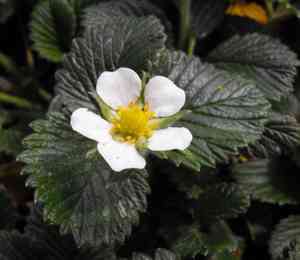
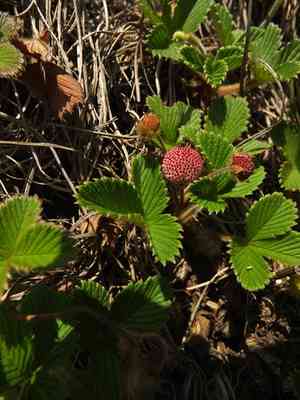
Fragaria nilgerrensis, a wild strawberry species native to southern and southeast Asia, produces white to light pink fruit that lacks significant flavor and holds no commercial value. It resembles Fragaria moupinensis in appearance. Like all strawberries, it has a base haploid chromosome count of 7. Being diploid, Fragaria nilgerrensis has 2 sets of these chromosomes, resulting in a total chromosome count of 2n = 14.
In This Article
Attributes of Nilgiri strawberry
Lifespan
Perennial
Plant Type
Herb
Plant Height
5 cm to 25 cm
Spread
Approx. 30 cm
Leaf Color
Green
Flower Size
1 cm to 2 cm
Flower Color
White
Images of Nilgiri strawberry
Quickly Identify Nilgiri strawberry
1
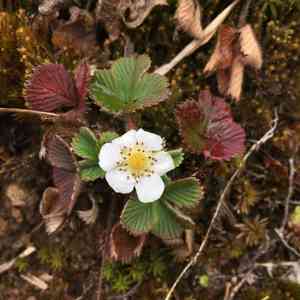
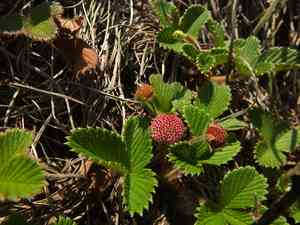
Look for small, trifoliate leaves with serrated edges, and white flowers with five petals. The fruits are red, small, and juicy.
Scientific Classification of Nilgiri strawberry
Phylum
Vascular plants
Class
Dicotyledons
Order
Roses, elms, figs, and allies
Family
Rose
Genus
Strawberries
Species
Nilgiri strawberry
Planting and Growing of Nilgiri strawberry
Care Difficulty
Easy
Watering Schedule
Every 4 days
Sunlight Requirements
Partial sun
Sunshine Duration
4-8 hours
Ideal Temperature
60-75℉
Soil Type
Potting Mix, Peat Mix
Soil pH
6-7.5
Fertilizer Type
Balanced
Pruning Season
Spring, Summer
Pruning Area
Branches, Leaves
Pruning Frequency
2 times a year
Repotting Season
Spring
Pot Type
Plastic, Terracotta
 How to Water Nilgiri strawberry?
For Fragaria nilgerrensis, aim to provide around 200 ml of water per session. The watering strategy should ensure that the soil is evenly moist but not waterlogged, focusing on maintaining a consistent moisture level that mimics the plant's natural habitat.
What are the symptoms of an underwatered Nilgiri strawberry?
›
What should I do if my Nilgiri strawberry is not getting enough water?
›
What are the symptoms of an overwatered Nilgiri strawberry?
›
How to save an overwatered Nilgiri strawberry?
›
 What Are the Sunlight Requirements for Nilgiri strawberry?
Partial sun or full sun exposure is ideal, ensuring it receives about 4 to 6 hours of sunlight daily. Optimal light enhances the plant’s vigor and flowering capacity, ensuring healthy and robust growth.
More About Sunlight Requirements Techniques→
What is the ideal lighting condition for Fragaria nilgerrensis?
›
How can one achieve ideal lighting for this plant?
›
What are the benefits of providing ideal lighting?
›
 What Is the Ideal Temperature Range for Nilgiri strawberry?
The ideal growing temperature for Fragaria nilgerrensis ranges between 60°F to 75°F. This temperature range supports optimal photosynthesis and metabolic activities, ensuring a healthy growth environment for the plant. Maintaining temperatures within this range often leads to better flowering and fruiting, as it aligns with the plant's natural habitat conditions.
 What Soil is Best for Nilgiri strawberry?
Fragaria nilgerrensis requires soil that allows water to pass through easily, preventing waterlogging. This facilitates optimal root respiration and minimizes root rot risk, promoting healthy growth. Soil should be moderately fertile to support the plant's growth needs. Nutrient-rich soil provides essential elements for development, enhancing fruit yield and foliage vibrancy. Incorporating organic matter into the soil helps retain moisture and improve texture, offering a stable environment that favors Fragaria nilgerrensis's root health and nutrient uptake.
 How to Fertilize Nilgiri strawberry?
For Fragaria nilgerrensis, moderately balanced fertilizers are recommended. Liquid fertilizer should be diluted to half its normal concentration, providing essential nutrients without overwhelming the plant. Use about 1 tablespoon of diluted liquid fertilizer per application. For slow-release fertilizers, apply about 1/4 cup per plant per application to avoid nutrient excess.
 How to Prune Nilgiri strawberry?
Begin by examining the plant for any discolored or damaged leaves, which should be removed to prevent disease spread. Next, focus on thinning out any overcrowded areas to improve airflow. Cut back long stems that do not produce fruit, allowing the plant to concentrate on the healthier, fruit-bearing stems.
More About Pruning Techniques→
 How to Propagate Nilgiri strawberry plant?
1
To start with seed propagation, fill a seed tray with high-quality potting mix. Plant the seeds about half an inch deep and water them thoroughly. Ensure the tray is placed under indirect sunlight and maintain a consistent temperature between 18°C and 22°C for optimal germination rates.
2
For cutting propagation, choose healthy and semi-mature stems from the parent plant. Cut a 4-6 inch long piece right below a node using sterilized pruning shears. Remove leaves from the bottom half and dip the cut end in a rooting hormone before placing it in moist potting soil.
3
Division propagation involves carefully digging up the plant and using a sharp, sterilized tool to divide it into smaller sections, each with roots. Replant these sections promptly and water them well to help them establish in their new location.
 How to Repot Nilgiri strawberry plant?
1
Observe Fragaria nilgerrensis for signs such as roots protruding from the drainage holes, reduced growth rate, or the soil drying out too quickly. These are indications that it's time to repot, ideally during Spring or Autumn when the plant can recover effectively.
2
Choose a pot that is one size larger than the current one, with good drainage. The right-sized pot prevents waterlogging, promotes healthy root growth, and provides enough space for the plant to expand without overwhelming it.
3
Select a well-draining acidic soil, ideally with added organic matter. This kind of soil mimics the plant's natural habitat, promoting healthy growth and preventing issues like root rot, which can occur if the soil retains too much water.
Learn More About Nilgiri strawberry Diseases
Anthracnose
Bacterial Leaf Spot
Crown Gall
Cyst Nematode
Damping-off
Downy Mildew
Drought Stress
Fusarium Wilt
Gray Mold
Leaf Curl
Leaf Spot
Mosaic
Nutrient Deficiency
Nutrient Toxicity
Powdery Mildew
Root Rot
Root-knot Nematode
Rusts
Sooty Mold
Spider Mites
Temperature Stress
Thrips Damage
White Mold
Chemical Injury



