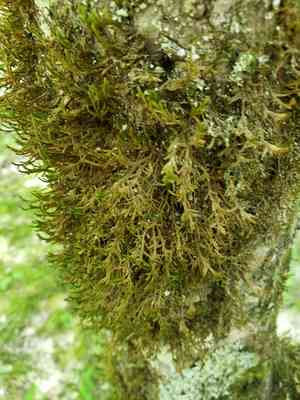
Forsstroemia moss (Forsstroemia trichomitria)
Also known as: Common Forket Moss
Forsstroemia moss is a unique moss species that prospers in humid, shaded forest environments. It typically grows on moist tree bark and rocks, forming dense, green mats. The moss is characterized by its thin, elongated stems and small, often curled leaves. The damp conditions of its habitat are vital for its hydration and growth. Additionally, Forsstroemia moss helps stabilize surfaces and creates microhabitats for small invertebrates, contributing to the ecosystem's health.
In This Article
Attributes of Forsstroemia moss
Lifespan
Perennial
Plant Height
0.5 to 3 cm
Spread
Not applicable
Leaf Color
Green
Flower Size
Not applicable
Flower Color
Not applicable
Images of Forsstroemia moss
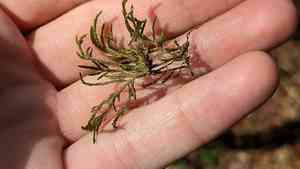
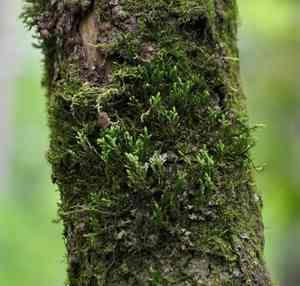
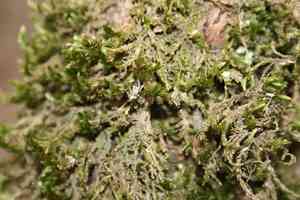
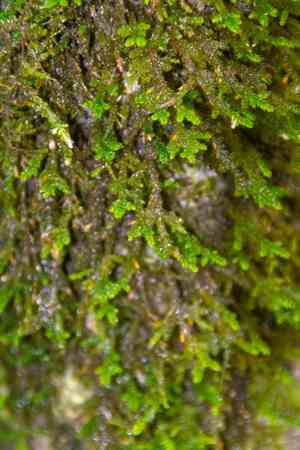
Quickly Identify Forsstroemia moss
1
This moss can be identified by its tiny, forked branches and dense, overlapping leaves that exhibit a glossy green color. The leaves are often spirally arranged and can appear twisted or contorted.
Scientific Classification of Forsstroemia moss
Phylum
Bryophyta
Class
Bryopsida
Order
Hypnales
Family
Neckeraceae
Genus
Forsstroemia
Planting and Growing of Forsstroemia moss
Care Difficulty
Moderate
Watering Schedule
Every 4 days
Sunlight Requirements
Partial sun
Sunshine Duration
4-8 hours
Ideal Temperature
55-75℉
Soil Type
Potting Mix, Peat Mix
Soil pH
6.5-7.5
Fertilizer Type
Balanced
Pruning Season
Spring, Summer
Pruning Area
Branches, Leaves
Pruning Frequency
2 times a year
Repotting Season
Spring
Pot Type
Plastic, Ceramic
 How to Water Forsstroemia moss?
For Forsstroemia trichomitria, each watering session should provide about 200 ml of water. This amount ensures that the soil is thoroughly moistened without causing water to pool at the surface. The key is to maintain a balance, keeping the substrate consistently damp but not waterlogged, which mimics the plant's natural humid environment.
What are the symptoms of an underwatered Forsstroemia moss?
›
What should I do if my Forsstroemia moss is not getting enough water?
›
What are the symptoms of an overwatered Forsstroemia moss?
›
How to save an overwatered Forsstroemia moss?
›
 What Are the Sunlight Requirements for Forsstroemia moss?
Partial shade to partial sun offers a balanced environment for Forsstroemia trichomitria, fostering optimal photosynthesis and keeping the plant vigorous and healthy.
What is the ideal light setting for Forsstroemia trichomitria?
›
How can Forsstroemia trichomitria achieve optimal lighting conditions?
›
What benefits will Forsstroemia trichomitria derive from ideal lighting?
›
 What Is the Ideal Temperature Range for Forsstroemia moss?
The ideal temperature for Forsstroemia trichomitria is crucial as it ensures optimal biochemical processes and growth patterns. Maintaining temperatures within 55 to 75 °F allows cellular activity and photosynthesis to proceed in an undisturbed manner, promoting healthy development.
 What Soil is Best for Forsstroemia moss?
Forsstroemia trichomitria thrives best in nutrient-rich soils that provide essential minerals for growth. Ensuring a soil high in organic matter enhances the plant's foliage and overall health, preventing nutrient deficiencies. To promote root health and prevent waterlogging, Forsstroemia trichomitria prefers well-drained soils. This requirement helps in maintaining adequate moisture levels, important for the prevention of root rot. While good drainage is crucial, it's equally important that the soil retains some moisture. A balance ensures that the plant remains hydrated during dry spells without remaining waterlogged, supporting vigorous growth.
 How to Fertilize Forsstroemia moss?
The recommended amount for fertilizing Forsstroemia trichomitria is to use a balanced fertilizer with an NPK ratio of 10-10-10. For liquid fertilizers, apply approximately 1/4 teaspoon per gallon of water for soil drenching or foliar feeding. For slow-release fertilizers, apply about 1 to 2 tablespoons per plant, ensuring even distribution around the root zone.
 How to Prune Forsstroemia moss?
Begin pruning by identifying dead or yellowing leaves that need removal. Use clean, sharp scissors to snip these leaves at the base. Ensure cuts are precise to minimize damage and encourage new growth. Next, focus on shaping the plant by cutting back unruly stems to maintain a tidy appearance. For those familiar with Forsstroemia trichomitria, consider light trimming to encourage branching. Target nodes just above healthy leaves and snip carefully. This method stimulates fuller growth. Remember to disinfect tools between cuts to prevent diseases.
More About Pruning Techniques→
 How to Propagate Forsstroemia moss plant?
1
Collect healthy cuttings from the parent plant using sterilized shears. Cuttings should be approximately 10 cm long and include a few leaves. Remove any flowers or buds to conserve energy.
2
Fill seed trays with a mix of peat and perlite. Spread the seeds evenly on top and lightly cover them with a thin layer of soil. Keep the soil damp and cover the tray with a lid to create a humid environment.
3
For division propagation, gently remove the plant from its pot. Divide it into sections, ensuring each section has roots. Replant each section into its own pot with fresh soil.
 How to Repot Forsstroemia moss plant?
1
Repotting Forsstroemia trichomitria is essential when its roots outgrow the current pot, or the soil becomes compacted and fails to drain well. Spring and autumn provide ideal conditions because the plant is less likely to experience stress compared to the extremes of summer or winter.
2
Choose a pot that's slightly larger than the previous one, with multiple drainage holes to prevent waterlogging. Using a breathable pot material like terracotta helps maintain proper root ventilation, promoting healthy growth and reducing the risk of root rot.
3
Opt for a well-draining soil mix rich in organic matter. The inclusion of sphagnum moss enhances moisture retention without waterlogging, which is crucial for promoting healthy root development and preventing fungal infections.
Learn More About Forsstroemia moss Diseases
Anthracnose
Bacterial Leaf Spot
Bacterial Soft Rot
Bacterial Wilt
Black Spot
Chemical Injury
Crown Gall
Damping-off
Downy Mildew
Drought Stress
Fusarium Wilt
Gray Mold
Leaf Curl
Leaf Spot
Mosaic
Nutrient Deficiency
Nutrient Toxicity
Powdery Mildew
Root Rot
Root-knot Nematode
Rusts
Sooty Mold
Spider Mites
Temperature Stress
Thrips Damage
White Mold


