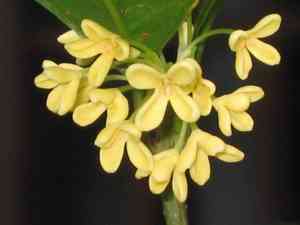
Eastern Swamp Privet (Forestiera acuminata)
Also known as: Texas Privet
Buttonbush (Cephalanthus occidentalis) is a deciduous shrub native to the Southeast and Central United States, thriving mainly in wetland areas. This plant is known for its spherical flower clusters, which turn into fruit that attracts wild ducks.
In This Article
Attributes of Eastern Swamp Privet
Lifespan
Perennial
Plant Type
Tree, Shrub
Plant Height
3 m
Spread
9 m
Leaf Color
Green in the growing season, turning yellow in the fall.
Flower Size
The flowers are small, about 1/8 inch (3 mm) in diameter.
Flower Color
Yellow Green
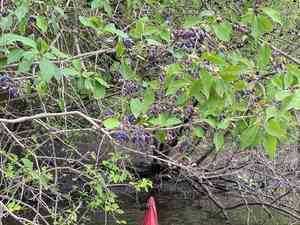
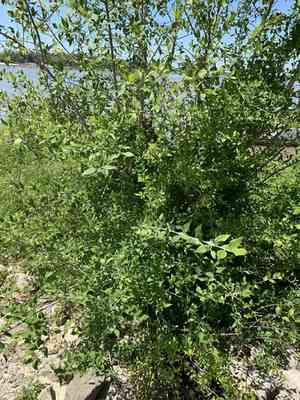
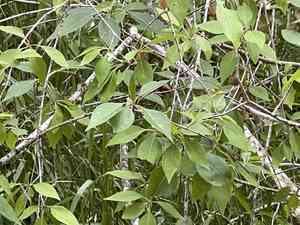
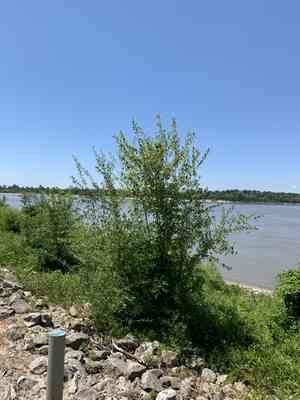
Images of Eastern Swamp Privet
Quickly Identify Eastern Swamp Privet
1
This plant can be identified by its oppositely arranged, oblong to lanceolate leaves with pointed tips. The bark is typically smooth, gray, and may have small lenticels. Flowers are small, yellow-green, and inconspicuous, while its blue-black drupes are more noticeable.
Scientific Classification of Eastern Swamp Privet
Phylum
Vascular plants
Class
Dicotyledons
Order
Lamiales
Family
Olive
Genus
Swampprivets
Species
Eastern Swamp Privet
Planting and Growing of Eastern Swamp Privet
Care Difficulty
Easy
Watering Schedule
Every 2 days
Sunlight Requirements
Partial sun
Sunshine Duration
4-8 hours
Ideal Temperature
60-75℉
Soil Type
Potting Mix, Peat Mix
Soil pH
6.5-7.5
Fertilizer Type
Balanced
Pruning Season
Spring, Summer
Pruning Area
Branches, Leaves
Pruning Frequency
2 times a year
Repotting Season
Spring
Pot Type
Plastic, Ceramic
 How to Water Eastern Swamp Privet?
Forestiera acuminata requires moderate watering, ensuring that the soil is moist but not waterlogged. The 500 ml amount should be poured slowly to allow the soil to absorb the moisture evenly, preventing water from pooling at the base. Check that the top 1-2 inches of soil are dry between waterings to avoid over-saturation.
What are the symptoms of an underwatered Eastern Swamp Privet?
›
What should I do if my Eastern Swamp Privet is not getting enough water?
›
What are the symptoms of an overwatered Eastern Swamp Privet?
›
How to save an overwatered Eastern Swamp Privet?
›
 What Are the Sunlight Requirements for Eastern Swamp Privet?
Forestiera acuminata thrives best in partial to full sun settings. Adequate light supports strong growth, enhances photosynthesis, and sustains its overall developmental health.
More About Sunlight Requirements Techniques→
What is the best location for Forestiera acuminata?
›
How does one achieve optimal light for growth?
›
What are the benefits of ideal lighting?
›
 What Is the Ideal Temperature Range for Eastern Swamp Privet?
The ideal temperature range for the growth of Forestiera acuminata is between 60°F and 75°F. This temperature range allows for optimal plant metabolism and photosynthesis. Within this range, the plant can effectively absorb nutrients and moisture, maintaining healthy growth. Care should be taken to maintain this temperature to ensure the best growth conditions.
 What Soil is Best for Eastern Swamp Privet?
Forestiera acuminata thrives in well-drained soils. Good drainage helps prevent root rot, allowing the plant's roots to access oxygen and grow vigorously. It also aids in the absorption of nutrients. This plant prefers soils with moderate fertility. An adequately fertile soil ensures that the plant gets the essential nutrients for healthy growth and foliage, promoting vibrant and lush development. While Forestiera acuminata requires good drainage, it also benefits from soils that can retain some moisture. This balance ensures the plant remains hydrated but not waterlogged, crucial for sustained growth.
 How to Fertilize Eastern Swamp Privet?
When applying fertilizer to Forestiera acuminata, utilize a balanced amount to prevent nutrient burn. For a mature plant, an application of 200 grams of granular fertilizer or a solution mix with 10-20-10 NPK ratio is adequate. Ensure even distribution to cover the root zone.
 How to Prune Eastern Swamp Privet?
Start by removing any dead or diseased branches using clean, sharp tools. Focus on opening the canopy to ensure light penetration and air flow. Trim back overgrown areas to maintain the desired shape and size. Always cut just above a leaf node to encourage new growth. Consider thinning cuts by removing entire branches when the plant becomes overly dense. This promotes an open structure and prevents crowding. Use reduction cuts, which involve cutting back to a lateral branch, to control the size without compromising the plant's natural form.
More About Pruning Techniques→
 How to Propagate Eastern Swamp Privet plant?
1
Start by collecting ripe seeds from the fruit of Forestiera acuminata in late summer or early autumn. Clean the seeds thoroughly to remove any fruit residue, and then let them dry before storage or sowing.
2
Sow seeds in a seed starting tray filled with a well-draining potting mix. Cover seeds lightly with soil, and water gently. Place trays in a warm, bright location to aid germination, which may take several weeks.
3
Select healthy, non-flowering stems to cut. Using sharp pruning shears, cut a 4-6 inch section just below a node. Remove the lower leaves, leaving a few at the top, and dip the end in rooting hormone before planting in a pot of moist soil.
 How to Repot Eastern Swamp Privet plant?
1
It's ideal to repot when you notice roots creeping out from the drainage holes or when the growth of Forestiera acuminata seems stunted. This typically indicates that the roots need more space. Spring and autumn provide the most conducive temperatures for repotting, avoiding the stress of extreme weather.
2
Opt for a pot that is just one size larger than the current one. A ceramic or clay pot with drainage holes offers the best environment, ensuring better airflow and preventing waterlogging, which could lead to root rot.
3
Select a well-draining sandy soil to mimic its native habitat. This kind of soil ensures that excess water is removed, preventing root rot and offering the necessary aeration, vital for healthy root growth.
Learn More About Eastern Swamp Privet Diseases
Anthracnose
Bacterial Leaf Spot
Bacterial Soft Rot
Chemical Injury
Crown Gall
Damping-off
Downy Mildew
Drought Stress
Fusarium Wilt
Gray Mold
Leaf Curl
Leaf Spot
Mosaic
Nutrient Deficiency
Nutrient Toxicity
Powdery Mildew
Root Rot
Root-knot Nematode
Rusts
Sooty Mold
Spider Mites
Temperature Stress
Thrips Damage
White Mold



