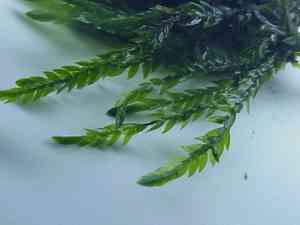
Common water moss (Fontinalis antipyretica)
Also known as: Willow moss, Fountain moss
Fontinalis antipyretica features branched, trailing stems that are triangular in cross-section and can reach lengths of up to 10 cm. The leaves are stiff and arranged in three overlapping rows along the stem. They are lance-shaped or egg-shaped, with a keel and a sharp point, and measure between 4 to 9 mm in length.
In This Article
Attributes of Common water moss
Lifespan
Perennial
Plant Type
Moss
Plant Height
15 cm
Spread
30 cm
Leaf Color
Dark Green
Flower Size
N/A
Flower Color
N/A
Images of Common water moss
Quickly Identify Common water moss
1
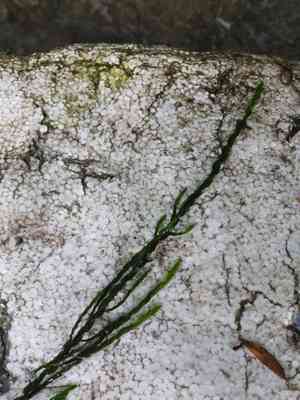
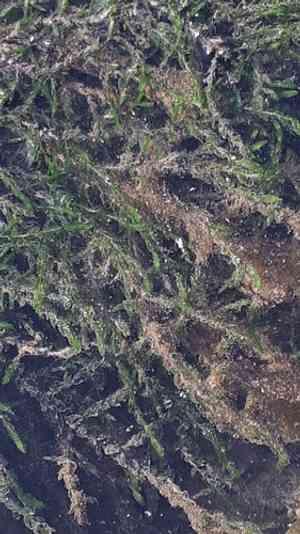
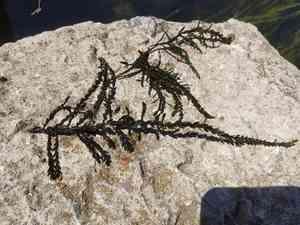
Willow Moss can be identified by its long, dark green stem with densely packed leaves that are narrow and pointed. The plant often forms loose, upright tufts and prefers clean, oxygen-rich water.
Scientific Classification of Common water moss
Phylum
Mosses
Class
True mosses
Order
Hypnales
Family
Fontinalaceae
Genus
Brook moss
Species
Common water moss
Planting and Growing of Common water moss
Care Difficulty
Easy
Watering Schedule
Every 4 days
Sunlight Requirements
Partial sun
Sunshine Duration
4-6 hours
Ideal Temperature
50-68℉
Soil Type
Potting Mix, Peat Mix
Soil pH
6.5-7.5
Fertilizer Type
Balanced
Pruning Season
Spring, Summer
Pruning Area
Branches, Leaves
Pruning Frequency
2 times a year
Repotting Season
Spring
Pot Type
Plastic, Ceramic
 How to Water Common water moss?
Fontinalis antipyretica, also known as the willow moss, thrives in conditions where it receives a consistent amount of water. When watering, ensure that the environment remains moist but not waterlogged. Aim for around 200 milliliters each session, sufficient to keep the substrate damp without drowning the roots.
What are the symptoms of an underwatered Common water moss?
›
What should I do if my Common water moss is not getting enough water?
›
What are the symptoms of an overwatered Common water moss?
›
How to save an overwatered Common water moss?
›
 What Are the Sunlight Requirements for Common water moss?
Partial sun to full shade is best for Fontinalis antipyretica, ensuring it thrives. Ideal lighting encourages healthy growth patterns, prevents leaf discoloration, and promotes robust cellular processes within the plant.
How to achieve ideal lighting?
›
Best practices for light management?
›
Benefits of proper lighting?
›
 What Is the Ideal Temperature Range for Common water moss?
The ideal temperature range for Fontinalis antipyretica, commonly known as water moss, is between 50°F and 68°F. This range supports optimal growth and photosynthesis, aligning with the moss's natural habitat in cool, clear freshwater streams and ponds. Maintaining this temperature range helps ensure vibrant green coloration and healthy growth.
 What Soil is Best for Common water moss?
Fontinalis antipyretica thrives in soils rich in organic matter, which helps retain moisture and provides essential nutrients for growth. This is crucial as it mimics the aquatic environments where this moss typically grows. While moisture is beneficial, good drainage is essential to prevent waterlogging and root rot. This balance is vital for the health and vigor of the plant, allowing it to absorb nutrients effectively. This plant requires soil that can retain moisture well, akin to its natural aquatic habitats. Consistent moisture levels are key to supporting its growth and maintaining its lush appearance.
 How to Fertilize Common water moss?
Fontinalis antipyretica, commonly known as aquatic moss, requires minimal fertilization due to its slow growth and low nutrient demands. When applying liquid fertilizer, a diluted solution should be used, typically at 1/4 strength of the recommended dosage for aquatic plants to prevent over-fertilization.
 How to Prune Common water moss?
To prune Fontinalis antipyretica, begin by trimming back the longest stems using sharp, clean scissors or aquatic pruning shears. Aim to remove dead or discolored parts, cutting them back to the base of the healthy, green stems. Preserve the overall shape of the moss while encouraging a bushy and even growth by snipping parallel to the plant's natural contours. Ensure good light and water circulation post-pruning, fostering an optimal environment for regeneration.
 How to Propagate Common water moss plant?
1
Select healthy stems from the parent Fontinalis antipyretica plant, ensuring they are free from any pests or diseases, as these can affect the success of propagation.
2
Use sharp scissors to snip 3-4 inch sections of healthy stem, cutting just below a leaf node to increase rooting efficiency and maximize the propagation success.
3
Place the cuttings in a glass container filled with water, ensuring that only the stems are submerged. Change the water every few days to prevent stagnation and reduce the risk of rot.
 How to Repot Common water moss plant?
1
You'll know it's time to repot Fontinalis antipyretica when the plant appears to be outgrowing its container, or if you see roots protruding from drainage holes. If the plant's growth seems stalled despite optimal conditions, a fresh start with new soil might be necessary. Always aim to repot before the active growing seasons to minimize stress and promote robust acclimatization.
2
Select a pot that is only slightly larger than the current container. This limits excess soil, preventing waterlogging—a common issue for this aquatic moss. Pots crafted from non-reactive materials like ceramic or plastic help avoid altering water chemistry. Ensure there are adequate drainage holes to maintain regular water flow and air circulation, which are pivotal for plant health.
3
Opt for soil that mimics the plant's natural aquatic environment. A peat-based or aquatic soil mix with decent moisture-retaining capacity helps support the moss's health. These soils are essential for maintaining the proper aquatic environment, as they help stabilize pH levels and avoid nutrient deficiencies, fostering sturdy growth and vibrant foliage.

