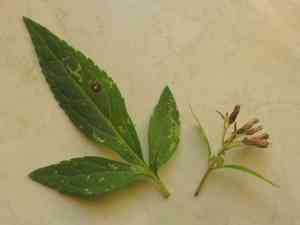
Pink slender-thoroughwort (Fleischmannia incarnata)
Also known as: Pink Thoroughwort, Painted Leaf Thoroughwort
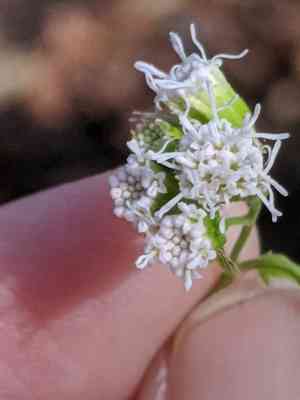
The Pink Slender-Thoroughwort (Fleischmannia incarnata) is a North American native flowering plant characterized by its unique tapered green leaves. It features clusters of small, disc-shaped flowers and is known for attracting butterflies due to its rich nectar. This plant typically blooms from fall to winter.
In This Article
Attributes of Pink slender-thoroughwort
Lifespan
Perennial
Plant Type
Herb
Plant Height
2 m
Spread
0.3 to 0.6 meters
Leaf Color
Green
Flower Size
1.5 mm
Flower Color
White Pink Purple
Images of Pink slender-thoroughwort
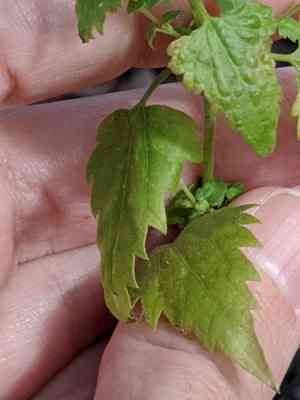
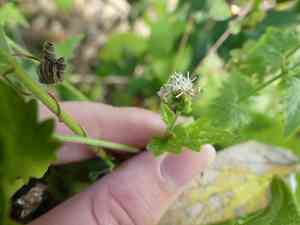
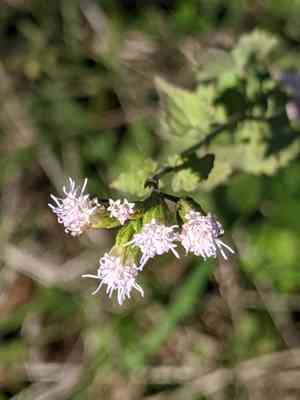
Quickly Identify Pink slender-thoroughwort
1
To identify Fleischmannia incarnata, look for its characteristic pink flowers arranged in tight clusters at the ends of stems. The plant also has lance-shaped, opposite leaves with a rough texture.
Scientific Classification of Pink slender-thoroughwort
Phylum
Vascular plants
Class
Dicotyledons
Order
Asterales
Family
Daisy
Genus
Fleischmannia
Species
Pink slender-thoroughwort
Planting and Growing of Pink slender-thoroughwort
Care Difficulty
Moderate
Watering Schedule
Every 4 days
Sunlight Requirements
Partial sun
Sunshine Duration
4-8 hours
Ideal Temperature
65-75℉
Soil Type
Potting Mix, Peat Mix
Soil pH
6.5-7.5
Fertilizer Type
Balanced
Pruning Season
Spring, Summer
Pruning Area
Branches, Leaves
Pruning Frequency
2 times a year
Repotting Season
Spring
Pot Type
Plastic, Ceramic
 How to Water Pink slender-thoroughwort?
Fleischmannia incarnata thrives best when the soil is consistently moist but not waterlogged. Water thoroughly until water begins to drain out of the bottom of the pot, ensuring each root can absorb sufficient moisture.
What are the symptoms of an underwatered Pink slender-thoroughwort?
›
What should I do if my Pink slender-thoroughwort is not getting enough water?
›
What are the symptoms of an overwatered Pink slender-thoroughwort?
›
How to save an overwatered Pink slender-thoroughwort?
›
 What Are the Sunlight Requirements for Pink slender-thoroughwort?
Fleischmannia incarnata flourishes in partial to full sunlight exposure. Proper light promotes vibrant foliage and abundant flowering, maximizing its ornamental value.
What is the ideal lighting for Fleischmannia incarnata?
›
How to achieve ideal lighting conditions for Fleischmannia incarnata?
›
Benefits of ideal lighting for Fleischmannia incarnata
›
 What Is the Ideal Temperature Range for Pink slender-thoroughwort?
What is the ideal temperature range for Fleischmannia incarnata? The ideal temperature range for Fleischmannia incarnata is between 65°F and 75°F. This range allows for optimal growth and development because it mirrors the plant's natural habitat, providing adequate warmth without stress.
 What Soil is Best for Pink slender-thoroughwort?
Fleischmannia incarnata thrives in nutrient-rich soil that provides essential minerals and nutrients. This ensures robust growth and produces vibrant blooms, enhancing your garden's aesthetic appeal. This plant requires well-drained soil to prevent root rot and ensure proper aeration. It helps in maintaining a healthy root system, vital for the plant's overall development and longevity. Moderate soil moisture is necessary to keep Fleischmannia incarnata hydrated without causing waterlogging. This balance supports the plant's photosynthesis efficiency and nutrient absorption.
 How to Fertilize Pink slender-thoroughwort?
For Fleischmannia incarnata, use a balanced liquid fertilizer such as 10-10-10, diluted to half its recommended strength. Apply around 80-100 milliliters per plant to ensure appropriate nutrient coverage without overloading the soil.
 How to Prune Pink slender-thoroughwort?
Make cuts at a 45-degree angle about a quarter inch above a bud facing outward. This technique encourages new growth to flourish away from the center, ensuring the plant grows more open and less crowded. Start the pruning process by cutting back any dead, dried, or diseased stems. This step is crucial as it diverts the plant’s energy to new, healthy growth instead of sustaining non-viable parts. Trim the plant to maintain a pleasing shape. Focus on creating a balanced appearance by reducing excessive outward growth and fostering a compact, bushy aspect.
More About Pruning Techniques→
 How to Propagate Pink slender-thoroughwort plant?
1
Before sowing, it's crucial to scarify the seeds by gently rubbing them with sandpaper. This process helps break the seed coat, enhancing water absorption and speeding up germination.
2
Select healthy stems from the parent plant and take cuttings of about 4-6 inches in length. Make sure to snip just below a node and remove any lower leaves to prevent rot when planted.
3
Carefully dig up the mature plant and divide the root clumps with a sharp knife. Each division should have a portion of the root system to ensure it can establish itself when replanted.
 How to Repot Pink slender-thoroughwort plant?
1
It's time to repot Fleischmannia incarnata when you notice roots protruding from the drainage holes of the current pot. Additionally, if the growth seems stunted or the soil dries out rapidly after watering, it indicates the plant has outgrown its pot. The plant typically benefits from repotting during its active growth period in spring or early summer to minimize stress.
2
Select a pot that is one size larger than the current one, about an inch or two in diameter wider, to provide ample space for root expansion. Ensure the pot has drainage holes to prevent waterlogging, which is crucial for preventing root rot. A good pot facilitates healthy growth while reducing the risk of overwatering issues common with non-draining containers.
3
Use a well-draining potting mix composed of peat, perlite, and compost to provide a balanced medium that retains moisture yet promotes aeration. This type of soil helps to prevent waterlogging, which can lead to root rot, thus ensuring robust growth and health for your plant.
Learn More About Pink slender-thoroughwort Diseases
Anthracnose
Bacterial Leaf Spot
Bacterial Soft Rot
Bacterial Wilt
Black Spot
Chemical Injury
Crown Gall
Cyst Nematode
Damping-off
Downy Mildew
Drought Stress
Fusarium Wilt
Gray Mold
Leaf Spot
Mosaic
Nutrient Deficiency
Nutrient Toxicity
Powdery Mildew
Root Rot
Root-knot Nematode
Rusts
Sooty Mold
Spider Mites
Temperature Stress
Thrips Damage
White Mold



