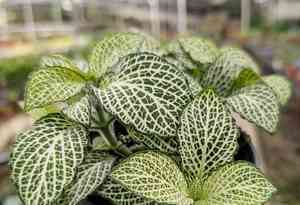
Nerve plant (Fittonia albivenis)
Also known as: Silver-nerve plant, Silver-threads
The Calathea is an outstanding houseplant hailing from South American rainforests. Known for its vibrant, decorative leaf patterns, it thrives best in temperatures above 13°C and requires consistent watering. While it may be somewhat challenging to care for, obtaining this plant from a reputable nursery can ensure you start with a healthy specimen.
In This Article
Attributes of Nerve plant
Lifespan
Perennial
Plant Type
Herb
Plant Height
8 cm to 15 cm
Spread
15 cm to 30 cm
Leaf Color
Green
Flower Size
2.5 cm
Flower Color
White
Images of Nerve plant
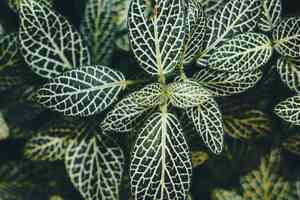
Quickly Identify Nerve plant
1
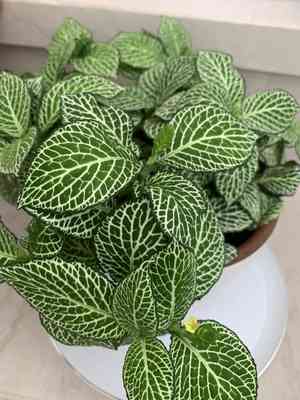
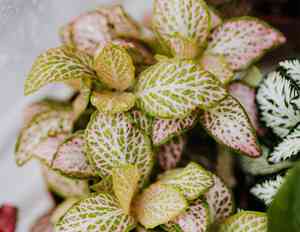
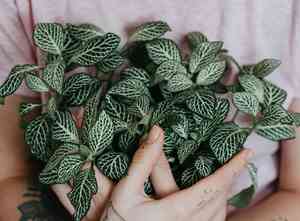
Vibrant leaf patterns with intricate veins in white, pink, or red against deep green.
2
Smooth leaves without pubescence, ideal for container or hanging baskets.
3
Erect terminal spike with small white flowers hidden by overlapping bracts.
4
Ovate leaves measuring 2-4 inches (5-10 cm) long, with prominent reticulate veins.
5
Succulent, creeping stem with fine hairs in shades of green, maroon, or green with maroon markings.
Scientific Classification of Nerve plant
Phylum
Vascular plants
Class
Dicotyledons
Order
Mints plantains olives and allies
Family
Acanthus
Genus
Nerve plants
Species
Nerve plant
Planting and Growing of Nerve plant
Care Difficulty
Easy
Watering Schedule
Every 8 days
Sunlight Requirements
Partial sun
Sunshine Duration
4-6 hours
Ideal Temperature
65-80℉
Soil Type
Potting Mix, Peat Mix
Soil pH
6.5-7.5
Fertilizer Type
Balanced
Pruning Season
Spring, Summer
Pruning Area
Branches, Leaves
Pruning Frequency
2 times a year
Repotting Season
Spring
Pot Type
Plastic, Ceramic
 How to Water Nerve plant?
Fittonia albivenis prefers consistently moist soil. It is crucial to water the plant until water drains from the bottom of the pot. Ensure that the soil is moist but not waterlogged, as standing water can harm the roots.
More About Watering Techniques→
What are the symptoms of an underwatered Nerve plant?
›
What should I do if my Nerve plant is not getting enough water?
›
What are the symptoms of an overwatered Nerve plant?
›
How to save an overwatered Nerve plant?
›
 What Are the Sunlight Requirements for Nerve plant?
Fittonia albivenis favors partial sun, receiving 2 to 4 hours of soft, indirect light daily. This range fosters vibrant leaf colors and healthy plant growth, providing the energy necessary for physiological processes.
More About Sunlight Requirements Techniques→
What is the best light condition for Fittonia albivenis?
›
How can you ensure Fittonia albivenis receives its optimal sunlight?
›
What benefits does Fittonia albivenis gain from ideal lighting?
›
 What Is the Ideal Temperature Range for Nerve plant?
The ideal temperature range for Fittonia albivenis is between 65°F and 80°F. This plant thrives in warm conditions and prefers a stable environment that mimics its natural tropical habitat. Maintaining the temperature within this range supports its growth and vibrant foliage.
 What Soil is Best for Nerve plant?
Fittonia albivenis thrives in well-draining soil, which is essential to prevent root rot. A mix that drains efficiently keeps the roots healthy and provides adequate aeration. Ensuring excess water has a quick exit helps the plant maintain its optimal moisture level without sitting in water, which can be quite detrimental. This plant benefits from soil rich in organic matter. Adding compost or peat will supply essential nutrients and improve soil structure. The organic materials ensure the Fittonia albivenis has a steady release of nutrients available, aiding in lush growth and vibrant foliage coloration. Fittonia albivenis requires soil that maintains moisture but still stays airy. The soil should hold moisture to ensure the plant roots are never completely dry, promoting a healthy environment for root development. Yet, it should remain airy enough to breathe, preventing suffocation.
More About Soil→
 How to Fertilize Nerve plant?
For Fittonia albivenis, when applying liquid fertilizer, use a diluted solution at half the recommended strength. This prevents root burn and encourages healthy growth without overwhelming the plant with nutrients.
More About Fertilizing Techniques→
 How to Prune Nerve plant?
Fittonia albivenis is sensitive to excessive pruning. Ensure you only trim about 20% of the plant at a time to avoid stressing it. Regular, gentle pruning encourages bushy growth but be mindful not to overdo it, as the plant is delicate. Observe your plant for signs of stress such as wilting or discolored leaves. After pruning, water the plant adequately but do not overwater as this can lead to root rot. Carefully monitoring the plant's response to pruning helps in making necessary adjustments.
More About Pruning Techniques→
 How to Propagate Nerve plant plant?
1
To ensure successful propagation, always begin by selecting a healthy parent plant. Choose a vibrant and disease-free plant, as the quality of the parent plant greatly affects the cutting's success.
2
Using your sharp scissors or pruning shears, make a cut below a node, ideally around 3-5 inches long. It's crucial to make a clean cut to prevent damage to both the parent plant and the cutting itself.
3
After dipping the cutting into the rooting hormone, plant it in well-draining soil. Maintain the soil moist but not overly saturated, as excessive water can lead to rot.
 How to Repot Nerve plant plant?
1
The perfect time to repot your Fittonia albivenis is when you notice that its growth has slowed down, roots are poking out from the pot's drainage holes, or the water quickly runs through the pot instead of soaking in. These are signs that the plant has outgrown its current home, and by repotting, you can provide it with fresh nutrients and more room to flourish.
2
Select a pot that's just 1-2 inches larger in diameter than the current one. This prevents the plant from being overwhelmed by too much soil and reduces the risk of waterlogging. A pot with drainage holes is crucial, as it ensures excess water can escape, keeping the roots healthy and preventing root rot. A suitable pot supports the plant's health and allows it to grow steadily over time.
3
Opt for a well-draining potting mix rich in organic material and perlite. This ensures the soil retains enough moisture without becoming waterlogged, which is essential for the health of Fittonia albivenis. The right potting mix provides a balance of aeration and moisture retention, supporting robust and healthy root growth, ultimately promoting vibrant foliage.
Learn More About Nerve plant Diseases
Anthracnose
Bacterial Leaf Spot
Bacterial Soft Rot
Bacterial Wilt
Chemical Injury
Damping-off
Downy Mildew
Drought Stress
Fusarium Wilt
Gray Mold
Leaf Curl
Leaf Spot
Mosaic
Nutrient Deficiency
Nutrient Toxicity
Powdery Mildew
Root Rot
Root-knot Nematode
Sooty Mold
Spider Mites
Temperature Stress
Thrips Damage
White Mold



