Fiveangle fimbry (Fimbristylis quinquangularis)
Also known as: Five-angled Fimbry, Five-angled Spike-sedge
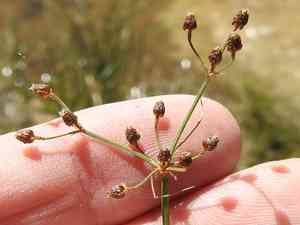
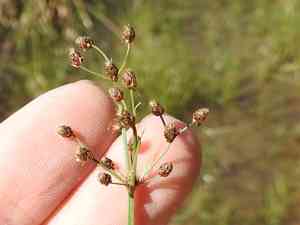
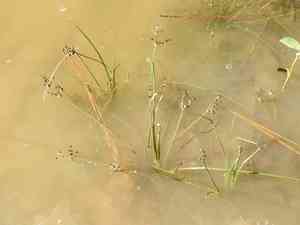
Fiveangle fimbry (Fimbristylis quinquangularis) is a perennial sedge characterized by its slender, upright stems that have a unique five-angled cross section. The plant's narrow, grass-like leaves primarily grow from the base, forming a tufted appearance. It is well-suited to wetland habitats, with fibrous roots that anchor it in moist, marshy soils. The identification of this sedge is aided by its small, brown spikelets, which are grouped at the top of the stems.
In This Article
Attributes of Fiveangle fimbry
Lifespan
Annual
Plant Type
Grass
Plant Height
Approximately 30-60 cm
Spread
Not applicable, as it is a tufted grass-like plant
Leaf Color
Green
Flower Size
Very small (usually less than 5 mm)
Flower Color
White Bronze
Images of Fiveangle fimbry
Quickly Identify Fiveangle fimbry
1
Fimbristylis quinquangularis can be identified by its distinct, five-angled stems, and the tufted growth form. It produces small, clustered spikelets that are brownish in color.
Scientific Classification of Fiveangle fimbry
Phylum
Vascular plants
Class
Monocotyledons
Order
Poales
Family
Sedge
Genus
Fimbry
Species
Fiveangle fimbry
Planting and Growing of Fiveangle fimbry
Care Difficulty
Easy
Watering Schedule
Every 2 days
Sunlight Requirements
Partial sun
Sunshine Duration
4-6 hours
Ideal Temperature
70-85℉
Soil Type
Potting Mix, Peat Mix
Soil pH
6.5-7.5
Fertilizer Type
Balanced
Pruning Season
Spring, Summer
Pruning Area
Branches, Leaves
Pruning Frequency
2 times a year
Repotting Season
Spring
Pot Type
Plastic, Ceramic
 How to Water Fiveangle fimbry?
For Fimbristylis quinquangularis, it's crucial to keep the soil consistently moist but not soggy. Water the plant with approximately 150 ml of water until the top layer of the soil appears damp. The principle is to mimic the marshy environments it thrives in without suffocating the roots.
What are the symptoms of an underwatered Fiveangle fimbry?
›
What should I do if my Fiveangle fimbry is not getting enough water?
›
What are the symptoms of an overwatered Fiveangle fimbry?
›
How to save an overwatered Fiveangle fimbry?
›
 What Are the Sunlight Requirements for Fiveangle fimbry?
Fimbristylis quinquangularis ideally needs an environment with full sun to partial shade. Proper lighting ensures that it maintains healthy growth and robust foliage, contributing to a flourishing, vibrant plant.
How much sunlight does Fimbristylis quinquangularis need?
›
What should I consider for its light environment?
›
What benefits occur from ideal lighting?
›
 What Is the Ideal Temperature Range for Fiveangle fimbry?
Fimbristylis quinquangularis thrives best in temperatures ranging from 70°F to 85°F. This range ensures optimal metabolic functions and healthy growth. Maintaining this range helps in ensuring vital plant processes such as photosynthesis and nutrient uptake occur efficiently.
 What Soil is Best for Fiveangle fimbry?
Fimbristylis quinquangularis thrives in moisture-retentive soils which ensure constant soil moisture, vital for sustaining its lush growth and resistance against drought stress. This demand for wet conditions means that it's well-suited for areas prone to occasional flooding or consistently high humidity. Rich soils, especially those with fair organic content, are ideal for Fimbristylis quinquangularis. Such soils provide essential nutrients that support robust root development and vigorous foliage, which are crucial for the plant's health and longevity. To avoid waterlogging which could lead to root rot, it's important that the soil structure is well-drained. Ensuring this prevents the accumulation of excess water at the roots, allowing the plant to maintain the healthy respiration process necessary for its growth.
 How to Fertilize Fiveangle fimbry?
For Fimbristylis quinquangularis, it is recommended to use a balanced fertilizer with an NPK ratio of 10-10-10. Ensure to dilute the liquid fertilizer to half of the recommended strength, approximately 1 teaspoon per gallon of water for liquid fertilizers, and apply gently to avoid root damage. Solid fertilization of about 50 grams per square meter is advisable, taking care not to overdose.
 How to Prune Fiveangle fimbry?
Start by trimming away any yellowing or dead leaves close to the base of the plant. Follow the natural shape of the plant to ensure it retains a harmonious look. Prune sections of the plant that appear too dense to improve airflow and sunlight exposure. Trim back overgrown areas to encourage a bushy growth pattern. By cutting back excess length, you allow the plant to focus its energy on developing new, fresh shoots rather than maintaining older, possibly weaker stems.
More About Pruning Techniques→
 How to Propagate Fiveangle fimbry plant?
1
Collect mature seeds from the plant and clean them to remove any debris. It is important to dry the seeds thoroughly before planting to prevent mold or disease. Store seeds in a cool, dry place until ready to plant.
2
Fill a seed tray with a well-draining potting mix and sow the seeds on the surface. Lightly press them into the soil but do not cover them completely, as they need light to germinate. Keep the soil consistently moist.
3
In early summer, gently dig up the plant, ensuring the roots are not damaged. Use a sharp knife or your hands to divide the plant into smaller sections, each with healthy roots. Replant the divisions immediately at the same depth they were originally growing.
 How to Repot Fiveangle fimbry plant?
1
Look for signs such as roots coming out of the drainage holes or when the plant has noticeably outgrown its container. These are clear indicators that the plant needs more room to grow and it’s time for repotting.
2
Select a pot that is one size larger than the current one. Ensure it has adequate drainage holes to prevent waterlogging, which is crucial for the health of Fimbristylis quinquangularis.
3
Choose a well-draining loamy soil mix that facilitates proper aeration. This helps in preventing root rot while ensuring that the plant roots receive enough space and nutrients for optimal growth.
Learn More About Fiveangle fimbry Diseases
Anthracnose
Bacterial Leaf Spot
Bacterial Soft Rot
Chemical Injury
Cyst Nematode
Damping-off
Downy Mildew
Drought Stress
Fusarium Wilt
Gray Mold
Leaf Spot
Mosaic
Nutrient Deficiency
Nutrient Toxicity
Powdery Mildew
Root Rot
Root-knot Nematode
Rusts
Sooty Mold
Spider Mites
Temperature Stress
Thrips Damage
White Mold



