Filago (Filago) (Filago)
Also known as: Cudweeds
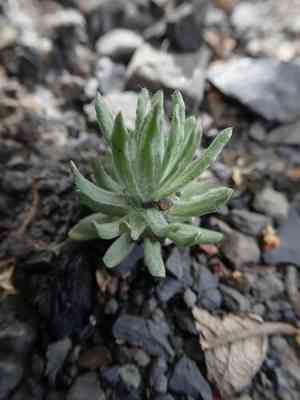
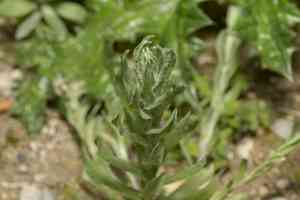
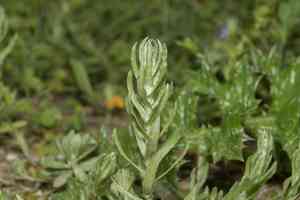
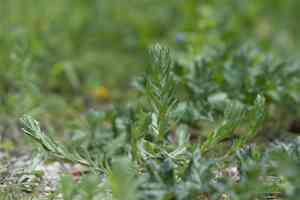
Filago is a genus within the sunflower family (Asteraceae), native to regions in Europe, Asia, and North Africa. These annual herbs are known for their woolly or cottony texture, which helps minimize water loss. They feature narrow, strap-shaped leaves that are smooth-edged. The small flower heads are typically yellowish or whitish and form dense, stalkless clusters. The fruit of Filago plants has a hairy pappus, a modified calyx that aids in seed dispersal.
In This Article
Attributes of Filago (Filago)
Lifespan
Annual
Plant Height
5-20 cm
Spread
N/A
Leaf Color
Gray-green
Flower Size
2-4 mm
Flower Color
Yellow or white
Images of Filago (Filago)
Quickly Identify Filago (Filago)
1
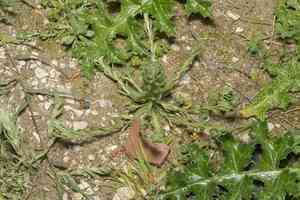
Filago plants can be identified by their small size, woolly-hairy leaves and stems, and small composite flower heads that are usually yellow or white.
Scientific Classification of Filago (Filago)
Phylum
Magnoliophyta
Class
Magnoliopsida
Order
Asterales
Family
Asteraceae
Genus
Filago
Planting and Growing of Filago (Filago)
Care Difficulty
Moderate
Watering Schedule
Every 2 days
Sunlight Requirements
Partial sun
Sunshine Duration
6-10 hours
Ideal Temperature
60-75℉
Soil Type
Potting Mix, Peat Mix
Soil pH
5.5-7.5
Fertilizer Type
Balanced
Pruning Season
Spring, Summer
Pruning Area
Branches, Leaves
Pruning Frequency
2 times a year
Repotting Season
Spring
Pot Type
Plastic, Ceramic
 How to Water Filago (Filago)?
Filago has adapted to dry conditions, so it requires minimal watering. Always aim to water it thoroughly but allow the soil to dry out between waterings. This typically means watering with about 150 ml of water, enough to moisten the soil without causing sogginess.
What are the symptoms of an underwatered Filago (Filago)?
›
What should I do if my Filago (Filago) is not getting enough water?
›
What are the symptoms of an overwatered Filago (Filago)?
›
How to save an overwatered Filago (Filago)?
›
 What Are the Sunlight Requirements for Filago (Filago)?
Filago prefers partial sun, highlighting moderate sunlight's role in supporting energetic growth. Adequate light optimizes photosynthesis, enhancing plant health and resilience.
Required Light Levels
›
Solutions for Ideal Lighting
›
Benefits of Ideal Lighting
›
 What Is the Ideal Temperature Range for Filago (Filago)?
The ideal temperature range for growing Filago is between 60°F and 75°F. This range helps ensure optimal growth and promotes healthy development, as temperatures within this range offer a balanced environment that supports photosynthesis and nutrient uptake.
 What Soil is Best for Filago (Filago)?
Filago thrives in well-drained soils, which are crucial in preventing root rot and promoting healthy root growth. These soils ensure that excess water drains quickly, averting waterlogging and allowing the roots to access oxygen efficiently. Moderately fertile soil is ideal for Filago, providing a balanced nutrient profile that supports steady growth. This type of soil avoids the risks associated with overly rich soils, such as excessive leaf production at the expense of blooms. Filago prefers slightly warmer soil temperatures, which facilitate active root development and nutrient uptake. Ensuring optimal soil temperature can lead to more robust and quicker overall plant growth.
 How to Fertilize Filago (Filago)?
For Filago, it's important to ensure the plant receives moderate nutrition without overburdening its growth capabilities. Use a diluted liquid fertilizer at half strength. For solid fertilizers, use a minimal application of 1 tablespoon of a slow release fertilizer per plant annually, ensuring not to concentrate it closely around the plant's root zone.
 How to Prune Filago (Filago)?
Begin by identifying any dead, damaged, or diseased stems. These are usually brown, brittle, and may have signs of ailments. Carefully cut these stems back to their base to prevent any potential spread of disease to healthy parts. Once you've removed the unnecessary parts, focus on shaping the plant. Cut back overgrown areas to maintain the desired form. Strive for a rounded, compact appearance by selectively cutting back longer stems to the nearest junction. To promote new growth, trim the tips of the branches. This will stimulate the plant to produce side shoots, resulting in a fuller appearance. Make your cuts just above a node to encourage this additional growth.
 How to Propagate Filago (Filago) plant?
1
Collect seeds from mature Filago plants during late summer when they are fully developed. Ensure that seeds are thoroughly dried before storage or sowing to promote optimal germination.
2
Select healthy, non-flowering shoots and cut them at a length of about 7-10 cm. Remove any leaves from the lower half of the cutting to minimize moisture loss and encourage root development.
3
Sow the seeds thinly on the surface of a well-draining seed mix. Lightly cover them with a thin layer of soil, as Filago seeds require light for germination. Keep the soil moist but not waterlogged.
 How to Repot Filago (Filago) plant?
1
Look for signs like roots protruding from drainage holes or soil that dries out rapidly. These indicate that Filago is outgrowing its pot and needs a fresh setup. Ideally, repotting in spring allows the plant to establish in new soil during the growing season, ensuring better root development and resilience.
2
Select a pot just one size larger than the current one, ensuring it has good drainage holes. This prevents waterlogging and root rot. A clay or terracotta pot can also be beneficial as it allows better evaporation, maintaining the soil's ideal moisture level for a healthy Filago.
3
Opt for a well-draining sandy mix, which mimics Filago's natural growing conditions. This type of soil prevents water accumulation while supporting proper air circulation around the roots, promoting healthy growth and minimizing the risk of root diseases.
Learn More About Filago (Filago) Diseases
Anthracnose
Bacterial Leaf Spot
Bacterial Soft Rot
Bacterial Wilt
Chemical Injury
Crown Gall
Cyst Nematode
Damping-off
Downy Mildew
Drought Stress
Fusarium Wilt
Gray Mold
Leaf Spot
Mosaic
Nutrient Deficiency
Nutrient Toxicity
Powdery Mildew
Root Rot
Root-knot Nematode
Rusts
Sooty Mold
Spider Mites
Temperature Stress
Thrips Damage
White Mold

