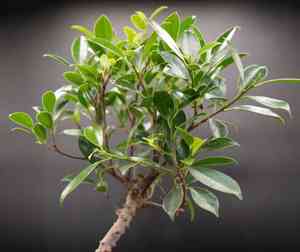
Ficus retusa (Ficus retusa)
Also known as: Ginseng Banyan, Banyan Fig, Malayan Banyan
Ficus retusa, an evergreen plant with a wood-like texture, originates from the fig family and is indigenous to the Malay Archipelago and Malesia floristic region. In many instances, its species name has been mistakenly referred to as Ficus microcarpa.
In This Article
Attributes of Ficus retusa
Lifespan
Ficus retusa is an evergreen tree that grows all year round.
Plant Height
up to 15 - 25 feet in mature age
Spread
15 - 25 feet in mature age
Leaf Color
Dark Green
Flower Size
The actual flower is inside the fig, making it practically invisible.
Flower Color
Not Applicable
Images of Ficus retusa



Quickly Identify Ficus retusa
1
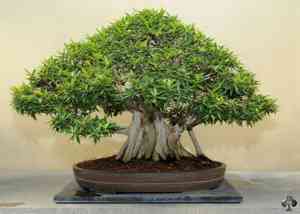
Search for the plant with glossy, thick, dark green oval leaves and fruits that turn from green to orange when ripe. Its bark is generally light-gray, smooth and the shape of the tree is typically spreading.
Scientific Classification of Ficus retusa
Phylum
Tracheophyta
Class
Magnoliopsida
Order
Rosales
Family
Moraceae
Genus
Ficus
Species
F. retusa
Planting and Growing of Ficus retusa
Care Difficulty
Easy
Watering Schedule
Every 2 days
Sunlight Requirements
Partial sun
Sunshine Duration
4-8 hours
Ideal Temperature
60-75℉
Soil Type
Potting Mix, Peat Mix
Soil pH
6.5-7.5
Fertilizer Type
Balanced
Pruning Season
Spring, Summer
Pruning Area
Branches, Leaves
Pruning Frequency
2 times a year
Repotting Season
Spring
Pot Type
Plastic, Ceramic
 How to Water Ficus retusa?
For Ficus retusa, it's essential to aim for consistent moisture in the soil without waterlogging it. Ideally, the top inch of soil should be allowed to dry out before the next watering. This ensures that the plant gets enough moisture while preventing root rot.
What are the symptoms of an underwatered Ficus retusa?
›
What should I do if my Ficus retusa is not getting enough water?
›
What are the symptoms of an overwatered Ficus retusa?
›
How to save an overwatered Ficus retusa?
›
 What Are the Sunlight Requirements for Ficus retusa?
Partial sun to full shade allows Ficus retusa to perform best. Ideal lighting ensures robust growth, vibrant foliage, and optimal photosynthesis, crucial for sustaining its health and beauty.
How much light does Ficus retusa need daily?
›
What are the recommended measures to ensure ideal sunlight exposure for Ficus retusa?
›
How does achieving ideal light conditions benefit Ficus retusa?
›
 What Is the Ideal Temperature Range for Ficus retusa?
The ideal temperature range for Ficus retusa, commonly known as the Banyan Fig or Ginseng Ficus, is between 60°F and 75°F. This range is perfect for tropical plants due to the balance of warmth and humidity, reducing stress and promoting healthy growth. Maintaining these temperatures allows the plant to carry out its vital physiological processes, including photosynthesis and respiration, efficiently.
 What Soil is Best for Ficus retusa?
Ficus retusa thrives in well-drained soil that prevents waterlogging. This type of soil ensures proper root health by allowing excess water to escape easily, reducing the risk of root rot and fostering robust growth. A nutrient-rich soil is vital for the healthy growth of Ficus retusa. Essential nutrients enhance leaf development and overall plant vigor, providing the plant with the necessary elements for photosynthesis and growth. Moisture-retentive soil helps maintain an adequate hydration level for Ficus retusa, especially during dry spells. This ensures consistent water availability, promoting steady growth and reducing stress.
 How to Fertilize Ficus retusa?
For Ficus retusa, apply liquid fertilizer at half the recommended strength to avoid over-fertilization. Use a balanced 10-10-10 N-P-K formulation for best results. For solid or slow-release fertilizers, use sparingly; about a teaspoon per plant is adequate depending on pot size. Ensure even distribution around the base, away from the stem.
 How to Prune Ficus retusa?
Start by inspecting your Ficus retusa for any dead, damaged, or diseased branches and remove them carefully. Use clean, sharp tools to make precise cuts just above a node or leaf. Aim to open up the center of the plant, allowing light to reach the inner leaves and fostering even growth throughout. To shape your Ficus retusa, focus on pruning for symmetry and balance. Remove any disproportionately long branches and cut back branches that disrupt the plant's aesthetic form. Consistent shaping will guide the plant to develop in a visually pleasing manner and help balance its natural architecture.
 How to Propagate Ficus retusa plant?
1
Choose healthy, non-flowering stems for propagation. The best cuttings are 4-6 inches long, with at least two sets of leaves, to ensure robustness and vitality.
2
After cutting, remove the lower leaves and dip the cut end in rooting hormone. This encourages faster and more efficient root development, particularly in challenging conditions.
3
Insert the prepared cutting into moist, well-draining potting soil. Firm the soil around the stem to support it, and ensure it remains upright for optimal growth.
 How to Repot Ficus retusa plant?
1
Repotting Ficus retusa is best done when you notice roots growing out of the drainage holes or when the plant shows stunted growth. These signs indicate that the plant has outgrown its current container and requires more space to thrive. A fresh environment with new soil contributes to better nutrient intake.
2
Select a pot that is 1-2 inches larger in diameter than the current one to provide ample room for root expansion. Ensure it has adequate drainage holes to prevent waterlogging. A slightly larger pot encourages healthy root development without overwhelming the plant with too much soil, which could retain excess moisture.
3
Opt for a well-draining potting mix that includes components like perlite, pine bark, and a small amount of sand. This blend ensures aeration, proper moisture retention, and drainage, providing the ideal environment for Ficus retusa roots to access nutrients effectively.

