
Cluster fig (Ficus racemosa)
Also known as: Clustertree, Red river fig
The Banyan tree, known for its unique clusters of figs growing directly on its trunk, is native to regions such as Australia, India, and Malaysia. It holds significant spiritual importance in Hinduism and is associated with enlightenment in Buddhism.
In This Article
Attributes of Cluster fig
Lifespan
Perennial
Plant Type
Tree
Plant Height
25 m to 30 m
Spread
60 cm to 90 cm
Leaf Color
Green Blue
Flower Size
N/A (fig trees produce inconspicuous flowers)
Flower Color
N/A (fig trees produce inconspicuous flowers)
Images of Cluster fig
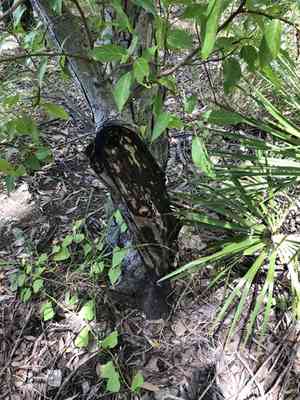
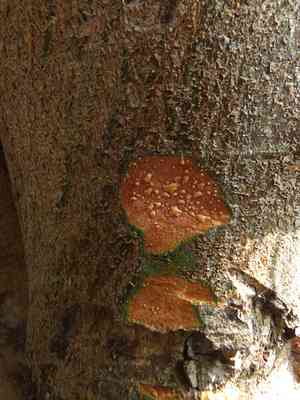
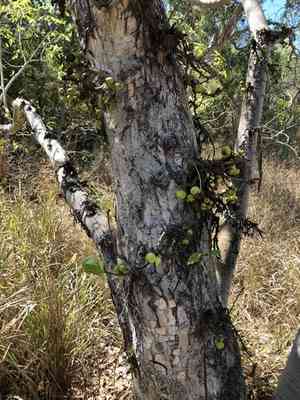
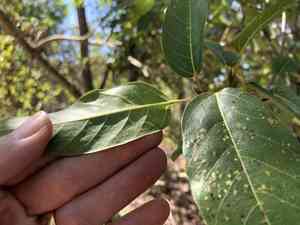
Quickly Identify Cluster fig
1
Identify Ficus racemosa by its large deciduous to evergreen leaves, smooth bark, and the unique clusters of small figs that grow directly along the trunk and large branches. The figs turn from green to reddish-brown upon ripening.
Scientific Classification of Cluster fig
Phylum
Vascular plants
Class
Dicotyledons
Order
Rosales
Family
Mulberry
Genus
Fig trees
Species
Cluster fig
Planting and Growing of Cluster fig
Care Difficulty
Moderate
Watering Schedule
Every 2 days
Sunlight Requirements
Partial sun
Sunshine Duration
4-6 hours
Ideal Temperature
60-86℉
Soil Type
Potting Mix, Peat Mix
Soil pH
6.5-7.5
Fertilizer Type
Balanced
Pruning Season
Spring, Summer
Pruning Area
Branches, Leaves
Pruning Frequency
2 times a year
Repotting Season
Spring
Pot Type
Terracotta, Plastic
 How to Water Cluster fig?
Ficus racemosa requires a consistent watering schedule with approximately 500ml of water per session. Ensure that the soil is evenly moist but not waterlogged. Water until you see some drainage from the pot's bottom to ensure thorough wetting.
What are the symptoms of an underwatered Cluster fig?
›
What should I do if my Cluster fig is not getting enough water?
›
What are the symptoms of an overwatered Cluster fig?
›
How to save an overwatered Cluster fig?
›
 What Are the Sunlight Requirements for Cluster fig?
Ficus racemosa benefits from partial to full sunlight conditions. Ideal light ensures optimum photosynthesis, promoting vigorous growth, increased foliage density, and higher fruit production potentials.
More About Sunlight Requirements Techniques→
Optimal Sunlight Hours
›
Balancing Sunlight and Shade
›
Location Adjustments
›
 What Is the Ideal Temperature Range for Cluster fig?
For optimal growth, Ficus racemosa thrives in temperatures between 60°F and 86°F. This range provides the warmth needed for the plant's metabolic processes and supports healthy leaf development and fruit production.
 What Soil is Best for Cluster fig?
Ficus racemosa thrives in well-draining soil that prevents waterlogging, which can lead to root rot. The soil should balance moisture retention with drainage to provide a stable environment for the roots and ensure healthy growth. The plant prefers nutrient-rich soil, full of organic matter. This enhances the plant's growth by aiding in the uptake of essential nutrients, ensuring robust foliage and fruit production. The soil needs to maintain its structure, allowing air exchange at the roots, preventing compaction. This encourages healthy root development, essential for supporting the plant's height and weight.
 How to Fertilize Cluster fig?
Fertilize Ficus racemosa with a balanced 10-10-10 NPK liquid fertilizer. Use approximately 1/2 tablespoon per gallon of water, ensuring the solution is well-mixed. Avoid direct application to stems and use enough to thoroughly moisten the root zone. Use less in dormancy periods during winter.
 How to Prune Cluster fig?
Begin pruning your Ficus racemosa by first sterilizing your pruning shears to prevent any disease transmission. Identify any dead or diseased branches, and carefully prune them back to the main branch or trunk. Focus on removing crossing branches to increase air circulation and sunlight penetration, which are crucial for the tree’s health. Trim back any excessively long branches to maintain a balanced and aesthetically pleasing shape. Always cut at a 45-degree angle and try to make smooth cuts to facilitate quicker healing.
More About Pruning Techniques→
 How to Propagate Cluster fig plant?
1
For seed propagation, collect mature seeds from fruits that are fully ripe. For cuttings, select healthy stems and cut them at an angle to maximize water absorption. Ensure the cuttings are around 10-15 cm long.
2
Use well-draining soil mixed with sand or perlite. The medium should be moist but not soggy to ensure proper root development. Good drainage prevents root rot in tender cuttings.
3
Plant seeds or cuttings in the prepared medium. Cover seeds lightly with soil while making sure cuttings are inserted deep enough to stand firm. Water the medium gently to maintain moisture without waterlogging.
 How to Repot Cluster fig plant?
1
Repotting Ficus racemosa should be considered when you notice roots circling the pot, soil drying out too quickly, or slow growth. These signs indicate the plant is root-bound and needs more space to grow. Spring and summer are ideal times for repotting as the plant is naturally in its active growth phase, which aids in quicker recovery from the stress of repotting.
2
Select a pot that is one to two inches larger in diameter than the current one. Materials like clay or ceramic that allow breathability are ideal as they help prevent root rot by facilitating airflow. Ensure the pot has sufficient drainage holes which will help prevent waterlogging and promote healthy root development, by allowing excess water to drain away effectively.
3
Choose a well-draining potting soil mixture to prevent root rot and ensure adequate nutrients. Mixing peat moss, perlite, and sand in equal parts provides excellent drainage and aeration, which are crucial for the healthy growth of Ficus racemosa. This mixture also retains moisture sufficiently, offering the plant the balanced environment it thrives in.
Learn More About Cluster fig Diseases
Anthracnose
Bacterial Leaf Spot
Black Spot
Chemical Injury
Crown Gall
Cyst Nematode
Damping-off
Drought Stress
Fusarium Wilt
Gray Mold
Leaf Curl
Leaf Spot
Mosaic
Nutrient Deficiency
Nutrient Toxicity
Powdery Mildew
Root Rot
Root-knot Nematode
Rusts
Sooty Mold
Spider Mites
Temperature Stress
Thrips Damage
White Mold



