Creeping fig(Ficus pumila)

Creeping fig (Ficus pumila)

Also known as: Creeping Fig, Climbing Fig, Creeping Ficus

The creeping fig (Ficus pumila) originates from East Asia, specifically China, Japan, and Vietnam. Additionally, it has become naturalized in certain areas of the United States. While it is often grown as a houseplant, it's important to note that the plant's sap is toxic and can cause inflammation, as highlighted by the FDA's Database of Poisonous Plants.

Attributes of Creeping fig

Lifespan
Perennial
Plant Type
Vine
Plant Height
2.5 m to 4 m
Spread
90 cm to 1.8 m
Leaf Color
Green
Flower Size
2.5 cm
Flower Color
Green

PlantJoy - Identify plants with a snap

Identify and diagnose plants, get toxicity alerts, and explore safety guides for all types of fungi.

Try for Free

Images of Creeping fig

Creeping fig(Ficus pumila)

Quickly Identify Creeping fig

1
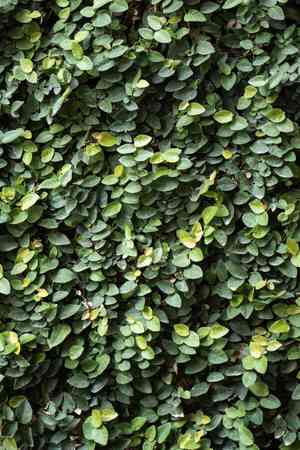
Heart-shaped juvenile leaves grow into large, leathery adult leaves (2 to 4 inches / 5 to 10 cm).
2
Stems produce milky sap, cling using roots in youth, then grow horizontally with woody texture.
3
Fruit shifts from green to purple, covered in dense hairs, unpalatable despite attractive appearance.
4
Minute inconspicuous flowers enclosed in fig receptacles, facilitating pollination by fig wasps.
5
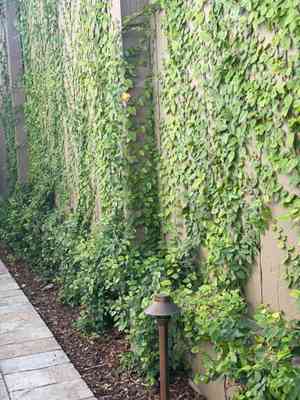
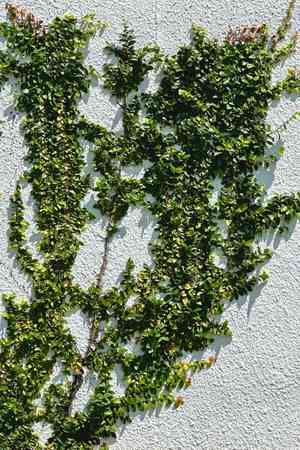
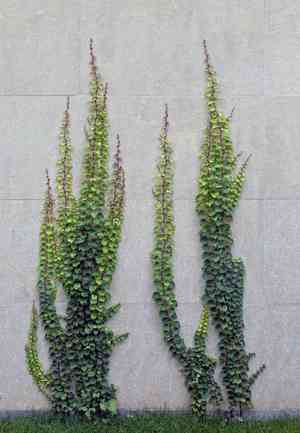
Vine aggressively climbs, reaching heights of 8 to 15 feet (2.4 to 4.5 meters) and spreading 3 to 6 feet (0.9 to 1.8 meters).

Scientific Classification of Creeping fig

Phylum
Vascular plants
Class
Dicotyledons
Order
Roses, elms, figs, and allies
Family
Mulberry
Genus
Fig trees
Species
Creeping fig

Planting and Growing of Creeping fig

Care Difficulty
Easy
Watering Schedule
Every 8 days
Sunlight Requirements
Partial sun
Sunshine Duration
4-8 hours
Ideal Temperature
65-77℉
Soil Type
Potting Mix, Peat Mix
Soil pH
5.5-7.5
Fertilizer Type
Balanced
Pruning Season
Spring, Summer
Pruning Area
Branches, Leaves
Pruning Frequency
2 times a year
Repotting Season
Spring
Pot Type
Plastic, Ceramic

water icon How to Water Creeping fig?

When watering Ficus pumila, ensure the soil is evenly moist, about 200 ml for a medium-sized pot. Water should thoroughly wet the soil until water begins to drain from the bottom of the pot, indicating saturation.
What are the symptoms of an underwatered Creeping fig?
What should I do if my Creeping fig is not getting enough water?
What are the symptoms of an overwatered Creeping fig?
How to save an overwatered Creeping fig?
More About Watering Techniques

sunlight icon What Are the Sunlight Requirements for Creeping fig?

Sunlight Requirements: Partial sun, Full shade
Duration of light: 3 to 6 hours daily
Ficus pumila prefers partial sun to full shade, ideally in indirect light. Such environments support lush, healthy foliage, enhancing growth without the risks of light-induced stress.
How much light does Ficus pumila need?
What are the solutions to achieve ideal lighting for Ficus pumila?
What benefits does Ficus pumila receive from optimal lighting?
More About Sunlight Requirements Techniques

temperature icon What Is the Ideal Temperature Range for Creeping fig?

Ideal Temperature: 65 ~ 77℉
The ideal temperature range for Ficus pumila is between 65°F and 77°F. In this range, the plant can perform its physiological processes efficiently, promoting healthy growth and development. Maintaining these temperatures ensures that the plant has enough warmth to support its metabolic needs while avoiding the stress that can be caused by excessive heat.

soil icon What Soil is Best for Creeping fig?

Soil type: Loam, Sandy loam, Peat soil
Soil PH: 5.5 ~ 7.5
Ficus pumila favors soil that retains moisture without becoming waterlogged. This helps the plant stay hydrated and reduces the need for frequent watering, especially in warm climates. The plant thrives in nutrient-rich soil, which provides essential minerals and organic matter for healthy growth and vibrant foliage. Well-aerated soil is crucial as it allows roots to access adequate oxygen, thus promoting robust root health and overall plant vitality. More About Soil

fertilize icon How to Fertilize Creeping fig?

Fertilizer type: Balanced
For Ficus pumila, it's important to balance the right amount of nutrient supply. A liquid fertilizer should be used in a diluted concentration of about 50% of the recommended dose to avoid root burn. Solid fertilizers can be applied in moderation, ensuring not to overdo it, which could harm the plant. More About Fertilizing Techniques

prune icon How to Prune Creeping fig?

Pruning Time: Spring, Summer, Autumn
Start by identifying the overgrowth and any dead or damaged leaves. Using sharp shears, trim the plant back to its desired shape, cutting close to a node for best results. Trim longer vines, cutting them back by about one-third of their length. This will stimulate new growth, making the plant bushier and fuller. Remove any yellowing or wilting leaves immediately to prevent the spread of potential disease. Make cuts at the base of the leaf stem just where it attaches to the vine. More About Pruning Techniques

propagate icon How to Propagate Creeping fig plant?

Propagate Time: Spring, Early summer
1
Select healthy stems that are about 10 cm (4 inches) long and free of any diseases or pest damage. Cut just below a node, and remove the lower leaves to reduce transpiration.
2
Dip the cut end of the stem in rooting hormone powder or gel to encourage faster root development, ensuring there is adequate coverage for optimal results.
3
Insert the cuttings into a pot filled with well-draining medium such as a mix of peat and perlite. Firm the soil around the cutting and water gently to settle the soil.
More About Propagating Techniques

repot icon How to Repot Creeping fig plant?

Repotting frequency: Every 1-2 years
1
Ficus pumila should be repotted when it becomes root-bound, typically evident when roots start emerging from the drainage holes or the plant seems to be growing slower than usual. The best time to repot is during its active growth phase in spring or early summer when the plant can quickly recover from any root disturbance.
2
Select a pot that is one size larger than the current one and has ample drainage holes to prevent waterlogging. A slightly larger pot encourages the plant's root growth, providing it room to expand while ensuring adequate drainage to avoid root rot.
3
Opt for a well-draining, loamy soil mix as it offers a balanced structure, retaining enough moisture without becoming waterlogged. This type of soil mimics the plant’s native conditions, allowing roots to breathe and preventing fungal issues.
More About Repotting Techniques

PlantJoy - Identify plants with a snap

Find the best spots for them to optimize their health, simply using your phone.

Try for Free

Toxicity of Creeping fig

Is Creeping fig toxic to cat?

Creeping fig presents a minor toxicity risk to cats, particularly when they consume it in large quantities. The main issue arises from the plant's sap, which harbors toxic components. If a cat ingests considerable amounts of creeping fig, it may exhibit signs of physical discomfort or illness. In these instances, it is crucial for pet owners to act swiftly by consulting a veterinary hospital to safeguard the health and well-being of their feline friend.

Is Creeping fig toxic to dog?

Creeping fig presents a mild toxicity risk for dogs. Although the plant does not possess significant toxicity, issues may occur if a dog ingests it in substantial amounts. The main concern associated with creeping fig is its sap or juice, which harbors toxic components capable of causing poisoning in dogs. If consumed, symptoms might manifest as gastrointestinal disturbances such as vomiting or diarrhea. Dog owners should remain vigilant and deter their pets from gnawing on or swallowing parts of creeping fig. Should a dog ingest a considerable quantity of this plant, it is imperative to seek urgent veterinary attention to guarantee adequate treatment and management of any possible poisoning.

Identify toxic plants for your safety

Learn which plants are harmful to you and your pets, and make informed choices for a safer home!

Try for Free
WARNING
The judgment on toxicity and danger is for reference only. We DO NOT GUARANTEE any accuracy of such judgment. Therefore, you SHALL NOT rely on such judgment. It is IMPORTANT TO SEEK PROFESSIONAL ADVICE in advance when necessary.
More About Toxic Techniques