
Amate (Ficus obtusifolia)
Also known as: Shortleaf fig
The Rubber Plant (Ficus elastica) is a hardy tropical evergreen with broad, leathery leaves that are rounded at the tip. Its glossy green foliage adds to its vibrant look. This plant thrives in warm, humid climates and can be grown both indoors and outdoors, offering a touch of the tropics to any space.
In This Article
Attributes of Amate
Lifespan
Perennial
Plant Type
Tree
Plant Height
6-10 meters
Spread
5-8 meters
Leaf Color
Dark green
Flower Size
The plant does not produce traditional flowers; it produces syconia (fig-like inflorescences).
Flower Color
N/A
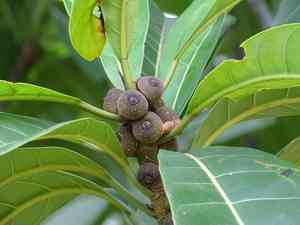
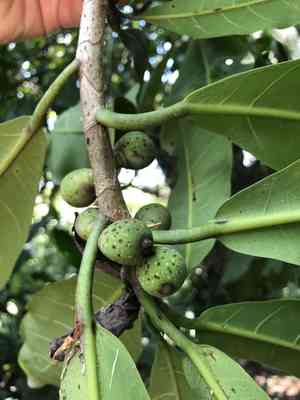
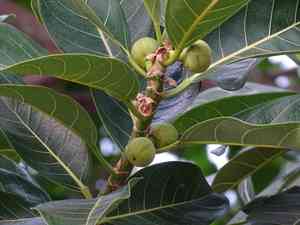
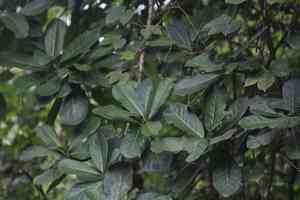
Images of Amate
Quickly Identify Amate
1
Ficus obtusifolia can be identified by its thick, leathery leaves which are obovate to elliptic in shape, as well as its smooth, grey bark and small, round figs.
Scientific Classification of Amate
Phylum
Vascular plants
Class
Dicotyledons
Order
Rosales
Family
Mulberry
Genus
Fig trees
Species
Amate
Planting and Growing of Amate
Care Difficulty
Easy
Watering Schedule
Every 3 days
Sunlight Requirements
Partial sun
Sunshine Duration
4-6 hours
Ideal Temperature
65-75℉
Soil Type
Potting Mix, Peat Mix
Soil pH
6.5-7.5
Fertilizer Type
Balanced
Pruning Season
Spring, Summer
Pruning Area
Branches, Leaves
Pruning Frequency
2 times a year
Repotting Season
Spring
Pot Type
Plastic, Ceramic
 How to Water Amate?
For Ficus obtusifolia, water until the soil is thoroughly moist but not soggy. A good guideline is to provide around 500 milliliters of water per session, enough to dampen the top 2-3 inches of soil, ensuring the roots can absorb necessary moisture without waterlogging the plant.
What are the symptoms of an underwatered Amate?
›
What should I do if my Amate is not getting enough water?
›
What are the symptoms of an overwatered Amate?
›
How to save an overwatered Amate?
›
 What Are the Sunlight Requirements for Amate?
Ficus obtusifolia thrives in partial sun, receiving about 4 to 6 hours of indirect, bright light daily. Ideal lighting boosts growth, improves leaf color, and ensures robust health.
What is the optimal lighting environment for Ficus obtusifolia?
›
Solutions to create ideal lighting for Ficus obtusifolia?
›
Benefits of providing ideal lighting to Ficus obtusifolia?
›
 What Is the Ideal Temperature Range for Amate?
The ideal temperature range for Ficus obtusifolia is between 65 to 75 degrees Fahrenheit. This range provides the best conditions for growth and ensures the plant receives the optimal warmth it requires for photosynthesis and metabolic activities.
 What Soil is Best for Amate?
Ficus obtusifolia thrives in well-drained soil, as it prevents waterlogging, which can cause root rot. Ensuring the soil has good drainage allows the plant roots to breathe and grow vigorously. This plant benefits from soil rich in organic matter, providing essential nutrients for its growth. A nutrient-dense soil promotes healthy foliage and robust overall plant health. The soil should hold an adequate amount of water without becoming soggy. It balances moisture retention and drainage, giving the plant the ideal environment to absorb sufficient water without being submerged.
 How to Fertilize Amate?
For Ficus obtusifolia, it's crucial to use a balanced fertilizer that is diluted to half the recommended strength. Too much concentration can damage the roots, while too little won't provide enough nutrients. Use a tablespoon of liquid fertilizer mixed in one gallon of water for this task.
 How to Prune Amate?
Ensure your pruning shears are sharp and clean to make precise cuts. Clean tools reduce the risk of disease transmission between plants. After each session, disinfect tools with a diluted bleach solution. After pruning, water the Ficus obtusifolia adequately to alleviate stress on the plant. Avoid fertilizing immediately after pruning to allow the plant time to heal. Over-fertilization post-pruning can lead to chlorosis or leaf burn.
More About Pruning Techniques→
 How to Propagate Amate plant?
1
Choose healthy, non-flowering stems of about 4-6 inches long for cutting. Ensure that the stems have at least 2-3 leaves and are disease-free to increase the chances of successful propagation.
2
Use clean, sharp pruning shears to take the cutting just below a node. Remove the lower leaves to allow more energy to be directed towards root development. Dip the cut end in rooting hormone if available.
3
Plant the prepared cuttings in a well-draining potting mix. Water the soil lightly to ensure initial moisture, and cover with a plastic dome or bag to maintain humidity, but ensure adequate ventilation to prevent rot.
 How to Repot Amate plant?
1
Observing indicators such as roots emerging from the drainage holes, soil that dries out rapidly after watering, or slow plant growth will signal Ficus obtusifolia needs repotting. These signs indicate that the plant requires more space to thrive and proper root development.
2
Select a pot that is 1-2 inches larger in diameter than the current one, with good drainage holes. This space allows for ample root expansion and prevents water from stagnating, which can lead to root rot. A breathable material like terracotta is ideal for promoting healthy plant respiration.
3
Opt for a well-draining, nutrient-rich soil mix. A blend of peat moss, perlite, and pine bark offers a balance of nutrients while facilitating good aeration and moisture retention. This ensures the roots are neither too dry nor too waterlogged, fostering a robust growing environment.
Toxicity
Ingestion, topical contact
WARNING
The judgment on toxicity and danger is for reference only. We DO NOT GUARANTEE any accuracy of such judgment. Therefore, you SHALL NOT rely on such judgment. It is IMPORTANT TO SEEK PROFESSIONAL ADVICE in advance when necessary.



