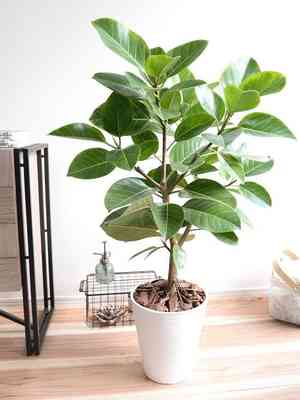
Council tree (Ficus altissima)
Also known as: Lofty Fig, Council Tree
A well-liked choice for indoor and patio settings in its smaller varieties, the Ficus altissima, also known as the council tree, can soar to heights of up to one hundred feet in the wild. It features a broad canopy of waxy leaves that remain vibrant year-round. Known for its parasitic tendencies, this tree frequently begins life on a host tree, eventually enveloping and suffocating it. By the time the host tree perishes, the council tree has typically developed a self-sufficient root system.
Attributes of Council tree
Images of Council tree

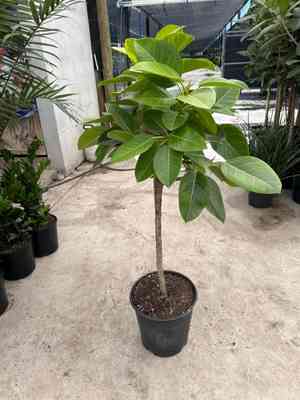
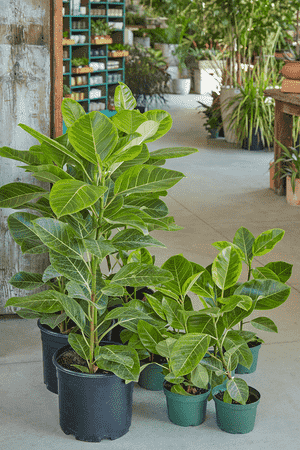

Quickly Identify Council tree
Scientific Classification of Council tree
Planting and Growing of Council tree
 How to Water Council tree?
 What Are the Sunlight Requirements for Council tree?
 What Is the Ideal Temperature Range for Council tree?
 What Soil is Best for Council tree?
 How to Fertilize Council tree?
 How to Prune Council tree?
 How to Propagate Council tree plant?
 How to Repot Council tree plant?
Toxicity of Council tree
Is Council tree toxic to humans?
The council tree presents a moderate toxicity hazard to humans, mainly through its sap. Interaction with the sap, whether by direct contact or accidental ingestion, may result in negative reactions. This sap features irritants that can provoke dermatitis or other skin issues upon skin contact. If swallowed, the sap can cause irritation to the mouth, throat, and digestive system, resulting in symptoms such as excessive salivation, vomiting, and diarrhea. It is crucial for people to exercise caution when handling council tree to prevent these unpleasant and potentially dangerous consequences.
Is Council tree toxic to cat?
The council tree exhibits a light level of toxicity for cats. If cats consume or inadvertently touch the sap of the council tree, they may experience poisoning. Following exposure to the sap, various symptoms signaling discomfort or illness could arise. Although specific symptoms are not detailed, they may differ in severity and should be carefully observed. It is crucial that any cat showing signs of distress after encountering the council tree be promptly taken to a veterinary clinic for necessary treatment.
Is Council tree toxic to dog?
The council tree presents a mild toxicity hazard to dogs. Canines might experience poisoning from this plant either by eating it or by direct exposure to its sap. Should a dog ingest or come into contact with the sap of the council tree, it may display symptoms including skin irritation, vomiting, or diarrhea. Therefore, it is vital for dog owners to keep a watchful eye on their pets and to deter them from chewing on or making contact with the plant. If a dog exhibits signs of poisoning from the council tree, it is imperative to seek prompt veterinary assistance to secure appropriate treatment and ensure a successful recovery.



