Fig trees (Ficus)(Ficus)

Fig trees (Ficus) (Ficus)

Also known as: Fig, Rubber Plant, Weeping Fig

Many regions cultivate fig trees for their fruits, especially the common fig, **Ficus carica**, which holds significant commercial value. While numerous fig species produce edible fruits, the common fig is predominantly grown for commercial purposes. Additionally, fig trees serve as vital food sources for tropical wildlife, including monkeys, bats, and insects.

Attributes of Fig trees (Ficus)

Lifespan
Perennial
Plant Height
2 to 30 meters, depending on the species
Spread
Variable, up to several meters wide depending on species and growing conditions
Leaf Color
Green, variegated
Flower Size
Inconspicuous, housed within the fig structure
Flower Color
N/A (flowers are not visible externally)

ForwardPlant - Identify plants with a snap

Identify and diagnose plants, get toxicity alerts, and explore safety guides for all types of fungi.

Try for Free

Images of Fig trees (Ficus)

Fig trees (Ficus)(Ficus)

Quickly Identify Fig trees (Ficus)

1
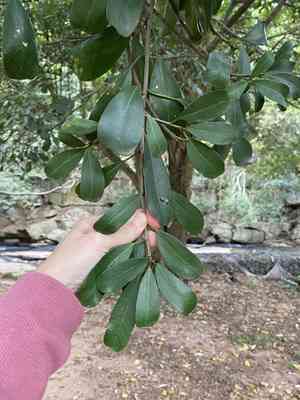
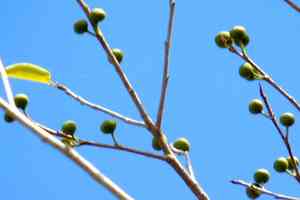
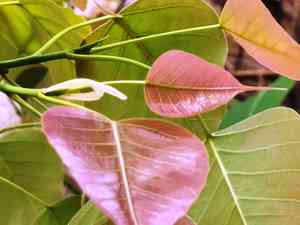
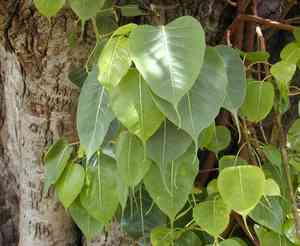
Identification of Ficus can be facilitated by their unique leaf shapes, sap (which is often milky), and the presence of fig fruits in some species. Their leaves are often glossy and can vary greatly in size and shape.

Scientific Classification of Fig trees (Ficus)

Phylum
Magnoliophyta
Class
Magnoliopsida
Order
Rosales
Family
Moraceae
Genus
Ficus

Planting and Growing of Fig trees (Ficus)

Care Difficulty
Moderate
Watering Schedule
Every 2 days
Sunlight Requirements
Partial sun
Sunshine Duration
6-12 hours
Ideal Temperature
65-75℉
Soil Type
Potting Mix, Peat Mix
Soil pH
6.5-7.5
Fertilizer Type
Balanced
Pruning Season
Spring, Summer
Pruning Area
Branches, Leaves
Pruning Frequency
2 times a year
Repotting Season
Spring
Pot Type
Plastic, Ceramic

water icon How to Water Fig trees (Ficus)?

Ficus plants prefer a moderate watering schedule. Allow the top 1-2 inches of soil to dry out before watering again to ensure that the roots do not sit in water, which can lead to root rot.
What are the symptoms of an underwatered Fig trees (Ficus)?
What should I do if my Fig trees (Ficus) is not getting enough water?
What are the symptoms of an overwatered Fig trees (Ficus)?
How to save an overwatered Fig trees (Ficus)?

sunlight icon What Are the Sunlight Requirements for Fig trees (Ficus)?

Sunlight Requirements: Partial sun, Full shade
Duration of light: 4-6 hours sunlight
Partial sun to full shade with filtered light is ideal. Such conditions ensure steady growth and vibrant green leaves without the risk of sunburn.
How much sunlight is ideal for Ficus?
What solutions are there to achieve ideal sunlight?
What are the benefits of ideal sunlight conditions for Ficus?

temperature icon What Is the Ideal Temperature Range for Fig trees (Ficus)?

Ideal Temperature: 65 ~ 75℉
For optimal growth, Ficus plants thrive best in temperatures ranging from 65°F to 75°F. This range provides a warm enough environment to encourage vigorous growth while not being excessively high, which could lead to stress. During the day, it is beneficial to maintain these temperatures to simulate their native tropical climate.

soil icon What Soil is Best for Fig trees (Ficus)?

Soil type: Loam, Sandy loam
Soil PH: 6.5 ~ 7.5
Ficus thrive in well-drained soil to prevent waterlogging, which can lead to root rot. This type of soil ensures excess water drains quickly, promoting healthier root growth. A moderately fertile soil is ideal for Ficus, providing sufficient nutrients without overwhelming the plant. Balanced nutrition supports robust foliage and overall plant vitality. While good drainage is essential, the soil should also retain some moisture to prevent the plant from drying out too quickly, especially in warm climates.

fertilize icon How to Fertilize Fig trees (Ficus)?

Fertilizer type: Balanced
For Ficus, a moderate amount of fertilizer is recommended. Use a balanced liquid fertilizer diluted to half strength once every two weeks during the growing season. For solid fertilizers, apply about 1 tablespoon per plant every four months, making sure to spread it evenly around the base and water thoroughly afterward.

prune icon How to Prune Fig trees (Ficus)?

Pruning Time: Spring, Summer, Autumn
Start by sanitizing your pruning tools to prevent disease transmission. Begin pruning from the top of the plant, working your way downward. Identify branches that are overgrown or crossing each other, and trim them back to a node or the trunk. Remove dead or discolored leaves and any branches that may be crowding the center of the plant to improve air circulation. Always cut at a slight angle and close to the trunk or node to encourage efficient healing. To make your Ficus bushier, prune just above a leaf node. This allows the plant to push out new growth at the point of pruning, leading to a fuller appearance. Focus on evenly distributed pruning around the plant to maintain a symmetrical shape. Regularly pinch back the tips of the branches to encourage more lateral branching and create a dense canopy.

propagate icon How to Propagate Fig trees (Ficus) plant?

Propagate Time: Spring,Summer
1
Choose a healthy, vigorous stem of the Ficus plant that is free of any diseases or pests for cutting propagation. The stem should be semi-hardwood for optimal rooting success.
2
Using sterilized pruning shears, cut a 4-6 inches long section just below a node. Remove the leaves from the lower half of the cutting to prevent rot and water retention in the soil.
3
Dip the cut end of the Ficus cutting into rooting hormone, then plant it in a pot filled with well-draining soil. Water thoroughly and ensure the cutting is planted upright and stable.

repot icon How to Repot Fig trees (Ficus) plant?

Repotting frequency: Every 2-3 years
1
Look for slow growth, roots emerging from drainage holes, or soil that dries out too quickly. These signs indicate it's time to repot your Ficus to provide more space and nutrients.
2
Select a pot that is 2-3 inches larger in diameter than the current one, ensuring it has adequate drainage holes. A larger pot encourages healthy root growth and prevents waterlogging.
3
Opt for a well-draining potting mix, ideally containing peat, perlite, and pine bark. This mixture facilitates excellent drainage and aeration, crucial for Ficus health.

ForwardPlant - Identify plants with a snap

Find the best spots for them to optimize their health, simply using your phone.

Try for Free

Toxicity of Fig trees (Ficus)

Is Fig trees (Ficus) toxic to humans?

When damaged, fig trees release a milky latex, which can lead to skin irritation and is harmful to both humans and animals.

Is Fig trees (Ficus) toxic to cat?

Numerous species belonging to the Ficus genus possess varying degrees of toxicity towards cats, ranging from mild to significant. Toxic compounds are present throughout all sections of the fig trees. When ingested, these toxins frequently lead to mild gastrointestinal issues, and contact with the sap of the plants may result in skin irritation, especially around the oral area. In instances of severe vomiting or diarrhea, it is crucial to seek medical assistance to prevent complications arising from dehydration.

Is Fig trees (Ficus) toxic to dog?

The fig tree contains a sticky substance known as ficin, which is present in every part of the plant. This substance can trigger moderate toxic reactions if it comes into contact with a dog's eyes, mouth, or skin, or if ingested. Affected dogs may experience significant discomfort, with symptoms such as excessive drooling, facial pawing, skin irritation, and gastrointestinal issues including vomiting and diarrhea. It is advisable to consult a veterinarian in all instances. Fig trees are widely cultivated as houseplants, so precautions should be taken in households adorned with this species.


Identify toxic plants for your safety

Learn which plants are harmful to you and your pets, and make informed choices for a safer home!

Try for Free
WARNING
The judgment on toxicity and danger is for reference only. We DO NOT GUARANTEE any accuracy of such judgment. Therefore, you SHALL NOT rely on such judgment. It is IMPORTANT TO SEEK PROFESSIONAL ADVICE in advance when necessary.
More About Toxic Techniques