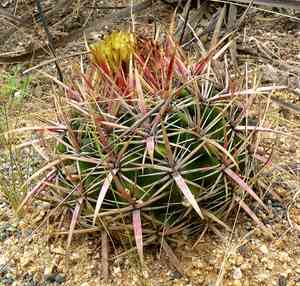
San diego barrelcactus (Ferocactus viridescens)
Also known as: San Diego Barrel Cactus, Coast Barrel Cactus
The San Diego barrel cactus (*Ferocactus viridescens*) is a rare type of barrel cactus native to North America. It is predominantly located in San Diego County, California, where development has endangered its natural habitat. This cactus is not cold hardy but can thrive outdoors during warm summer months.
In This Article
Attributes of San diego barrelcactus
Lifespan
Perennial
Plant Type
Succulent
Plant Height
30 cm
Spread
20 cm
Leaf Color
N/A (cactus does not have conventional leaves)
Flower Size
3 cm to 6 cm
Flower Color
Yellow Green Red
Images of San diego barrelcactus
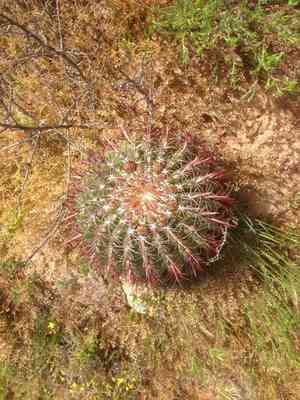
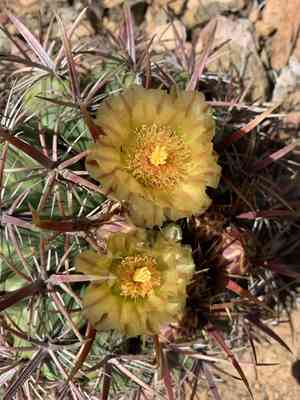
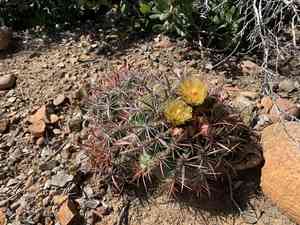
Quickly Identify San diego barrelcactus
1
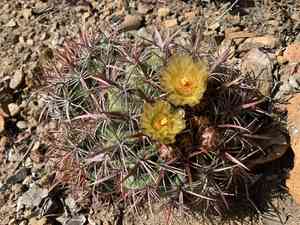
To identify Ferocactus viridescens, look for its short, squat, barrel-shaped body that is typically less than 30 cm in height. It has pronounced ribs and areoles from which sharp, reddish spines protrude. During flowering season, observe the yellow to light green flowers that appear at the top of the plant.
Scientific Classification of San diego barrelcactus
Phylum
Vascular plants
Class
Dicotyledons
Order
Caryophyllales
Family
Cactuses
Genus
Ferocactus
Species
San diego barrelcactus
Planting and Growing of San diego barrelcactus
Care Difficulty
Easy
Watering Schedule
Every day
Sunlight Requirements
Full sun
Sunshine Duration
6-10 hours
Ideal Temperature
65-80℉
Soil Type
Potting Mix, Peat Mix
Soil pH
6.5-7.5
Fertilizer Type
Balanced
Pruning Season
Spring, Summer
Pruning Area
Branches, Leaves
Pruning Frequency
2 times a year
Repotting Season
Spring
Pot Type
Plastic, Ceramic
 How to Water San diego barrelcactus?
For Ferocactus viridescens, it is crucial to water deeply but infrequently, allowing the soil to completely dry out between waterings. Around 200 milliliters is recommended, soaking the soil thoroughly until excess water drains from the bottom of the pot.
What are the symptoms of an underwatered San diego barrelcactus?
›
What should I do if my San diego barrelcactus is not getting enough water?
›
What are the symptoms of an overwatered San diego barrelcactus?
›
How to save an overwatered San diego barrelcactus?
›
 What Are the Sunlight Requirements for San diego barrelcactus?
Ferocactus viridescens thrives best in full sun to partial sun environments. Ideal light encourages robust growth and vibrant stem coloration, while promoting overall health and resilience against various environmental stressors.
More About Sunlight Requirements Techniques→
What is the ideal lighting condition for Ferocactus viridescens?
›
How can you achieve ideal lighting for Ferocactus viridescens?
›
What are the benefits of providing ideal lighting for Ferocactus viridescens?
›
 What Is the Ideal Temperature Range for San diego barrelcactus?
The ideal temperature range for Ferocactus viridescens is between 65°F and 80°F. This range provides the optimal conditions for growth and development. Keeping the temperature within these boundaries ensures that the plant's metabolic processes, such as photosynthesis and nutrient uptake, function efficiently.
 What Soil is Best for San diego barrelcactus?
Ferocactus viridescens thrives in well-draining soil that mimics its natural desert habitat. This type of soil prevents water retention, reducing the risk of root rot and enhancing the cactus's ability to absorb essential nutrients. While not overly demanding, this cactus benefits from soil with moderate nutrient content. It supports healthy growth and reinforces the plant's natural defenses against pests and diseases, ensuring robust development. A slightly acidic environment, with a pH close to 6.5, optimizes nutrient absorption for Ferocactus viridescens. This balance aids in root health, fostering resilience and maximizing growth during the active growing season.
 How to Fertilize San diego barrelcactus?
For Ferocactus viridescens, the amount of fertilizer should be minimal. Use a diluted liquid cactus fertilizer monthly during the active growing season, with a concentration of about 1/4 to 1/2 the recommended strength. Over-fertilization should be avoided as it can harm the plant.
 How to Prune San diego barrelcactus?
When pruning, aim to cut close to the base of the spine or damaged area without cutting into the healthy flesh of the cactus. This minimizes stress and allows for better healing and growth. While Ferocactus viridescens naturally has a striking round shape, pruning can help maintain this aesthetic. Focus on removing only the bare minimum required to keep the plant looking tidy and healthy. After pruning, ensure the cactus is kept in a dry, shaded area for a few days to let the cuts callous over. This prevents moisture entry, which can lead to rot. Resume normal care once the cuts are healed.
 How to Propagate San diego barrelcactus plant?
1
Start by filling the seed tray with a well-draining cactus mix or sandy soil. The medium must retain some moisture while allowing excess water to drain to prevent root rot or fungal issues during germination.
2
Scatter the Ferocactus viridescens seeds evenly on the surface of the soil and lightly press them down. Do not bury them completely, as cactus seeds require light for germination. Mist the surface lightly with water.
3
Select a healthy Ferocactus segment and a compatible rootstock. Make a clean, beveled cut on both pieces. Align their vascular tissues before securing with grafting tape. Allow the graft to heal in a slightly shaded location.
 How to Repot San diego barrelcactus plant?
1
Ferocactus viridescens should be repotted when you notice roots growing out of the drainage holes or when the cactus becomes top-heavy. Another sign it's time is when you observe slowed growth despite optimal care, indicating that the soil nutrients have been exhausted or root space has become limited.
2
Choose a pot that is slightly larger than the current one and has adequate drainage holes. Terracotta pots are ideal because they allow the soil to dry out between waterings, preventing root rot. A slightly wider, shallow pot helps balance this cactus's top-heavy shape, ensuring stability.
3
Opt for a well-draining cactus mix combined with coarse sand or perlite to enhance aeration. This mix mimics the cactus's natural arid environment, preventing waterlogged soil which can lead to root rot. Ensure the soil is free of moisture before potting.



