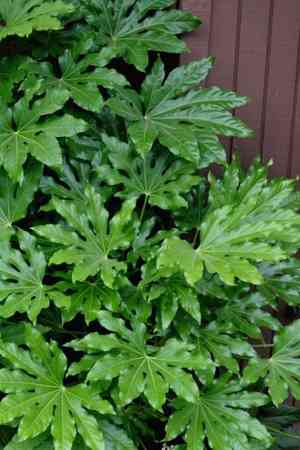
Paperplant(Fatsia japonica)

Paperplant (Fatsia japonica)

Also known as: Japanese aralia, False castor oil plant

The paperplant, often used as an ornamental and indoor plant in warmer temperate regions, features shiny leaves with eight hand-like lobes. It's important to handle this plant carefully, as its sap can cause allergic reactions in some individuals. From time to time, it also produces black berries that are a favorite among birds.

Attributes of Paperplant

Lifespan
Perennial
Plant Type
Shrub
Plant Height
1 m to 5 m
Spread
1.2 m to 1.8 m
Leaf Color
Green
Flower Size
2.5 mm to 3 mm
Flower Color
White

ForwardPlant - Identify plants with a snap

Identify and diagnose plants, get toxicity alerts, and explore safety guides for all types of fungi.

Try for Free

Images of Paperplant

Paperplant(Fatsia japonica)

Quickly Identify Paperplant

1
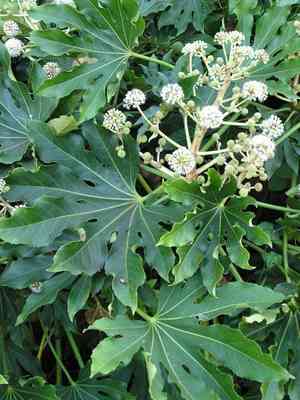
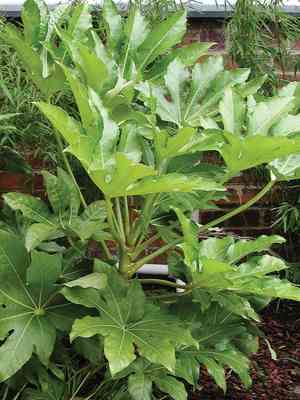
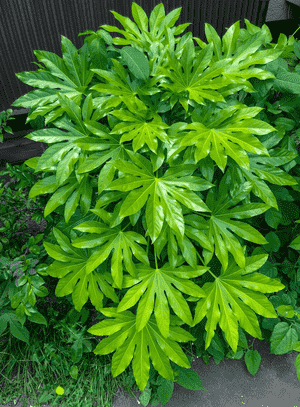
Large, dark green palmate leaves with 7-11 serrate lobes and glossy, rippled texture.
2
Creamy white terminal umbel flowers resembling drumsticks bloom in late fall.
3
Small globose drupes transition from green to glossy black, clustering together on stems.
4
Thick, rigid stems with light green to brownish hue and prominent leaf scars.
5
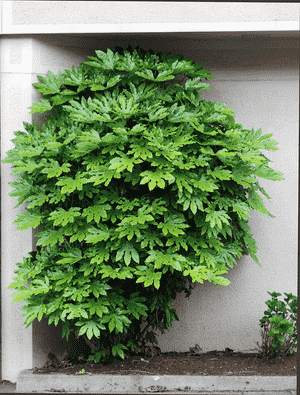
Semi-dense profile, adaptable to acidic, well-drained soils, and moderate salt spray tolerance.

Scientific Classification of Paperplant

Phylum
Vascular plants
Class
Dicotyledons
Order
Carrots, ivies and allies
Family
Ivy
Genus
Fatsia
Species
Paperplant

Planting and Growing of Paperplant

Care Difficulty
Easy
Watering Schedule
Every 2 days
Sunlight Requirements
Partial sun
Sunshine Duration
4-8 hours
Ideal Temperature
60-70℉
Soil Type
Potting Mix, Peat Mix
Soil pH
6.5-7.5
Fertilizer Type
Balanced
Pruning Season
Spring, Summer
Pruning Area
Branches, Leaves
Pruning Frequency
2 times a year
Repotting Season
Spring
Pot Type
Plastic, Ceramic

water icon How to Water Paperplant?

Fatsia japonica prefers consistent moisture, but not waterlogged conditions. Water thoroughly until about 500ml of water has seeped through to the drainage pot, ensuring the soil is uniformly moist yet not overly saturated.
What are the symptoms of an underwatered Paperplant?
What should I do if my Paperplant is not getting enough water?
What are the symptoms of an overwatered Paperplant?
How to save an overwatered Paperplant?
More About Watering Techniques

sunlight icon What Are the Sunlight Requirements for Paperplant?

Sunlight Requirements: Partial sun, Full shade
Duration of light: 4-6 hours daily
Partial sun or full shade supports optimal Fatsia japonica growth by balancing light needs. Ideal lighting prevents stress, maintains lush foliage, and enhances the plant's density and overall health.
What is the ideal lighting for Fatsia japonica?
How can you achieve ideal lighting for Fatsia japonica?
What are the benefits of providing ideal lighting for Fatsia japonica?
More About Sunlight Requirements Techniques

temperature icon What Is the Ideal Temperature Range for Paperplant?

Ideal Temperature: 60 ~ 70℉
Fatsia japonica thrives within an ideal temperature range of 60-70°F. This range provides a stable environment that supports photosynthesis, leaf expansion, and overall growth. Avoid exposing the plant to temperatures outside this range to ensure healthy development and vibrant foliage.

soil icon What Soil is Best for Paperplant?

Soil type: Loam, Sandy loam, Clay soil
Soil PH: 6.5 ~ 7.5
Fatsia japonica thrives in well-aerated soil that prevents waterlogging. Good aeration helps the roots breathe, promoting robust growth and preventing root rot, which ensures a healthy plant. This plant appreciates soil that retains adequate moisture without becoming waterlogged. Such soil provides the Fatsia with consistent access to hydration, crucial for its lush foliage. Rich soil with high organic matter is ideal as it supplies essential nutrients. This nutrient-rich environment helps sustain the plant's growth, resulting in vibrant, large leaves. More About Soil

fertilize icon How to Fertilize Paperplant?

Fertilizer type: Balanced
For Fatsia japonica, a balanced fertilizer is preferred. Use about a quarter of the recommended amount on the label to avoid over-fertilization. This slow approach helps maintain steady growth without overwhelming the plant. More About Fertilizing Techniques

prune icon How to Prune Paperplant?

Pruning Time: Spring, Summer
Avoid pruning during extremely hot or cold weather as this can stress the plant. Pruning should ideally be done on a mild, dry day to facilitate proper healing. Each cut should have a purpose—whether removing damaged material, encouraging blooming, or shaping the plant. Avoid excessive pruning which can severely stress Fatsia japonica. After pruning, water the plant thoroughly and consider applying a balanced fertilizer to support recovery. Monitor the plant for any signs of stress or pest infestation. More About Pruning Techniques

propagate icon How to Propagate Paperplant plant?

Propagate Time: Spring,Early spring
1
Choose a mature and healthy Fatsia japonica plant to take cuttings from. Ensure the plant is free from diseases and pests, as this will increase the success rate of propagation.
2
Use pruning shears to cut 4-6 inch lengths with at least one node. Ensure that each cutting has a couple of leaves. Cut the stem just below a node to encourage root growth.
3
Dip the cut end of the cutting into rooting hormone before planting it in a well-draining potting mix. Water the soil lightly to provide moisture necessary for root development.
More About Propagating Techniques

repot icon How to Repot Paperplant plant?

Repotting frequency: Every 2-3 years
1
Monitor your Fatsia japonica for signs that it needs repotting, like roots emerging from the drainage holes or the plant appearing too large for its pot. This typically occurs every two to three years. Repot during its active growth periods in spring or autumn for optimal results, ensuring the plant can adapt to its new environment seamlessly.
2
Select a pot that is one or two sizes larger than the current one, with adequate drainage holes to prevent waterlogging. A slightly larger pot provides enough room for growth without overwhelming the plant, helping to prevent root rot and ensuring healthier growth. Opt for pots made from materials such as terracotta or ceramic for breathability.
3
Fatsia japonica thrives in a well-draining loamy soil mix rich in organic matter, which provides essential nutrients while allowing excess water to escape. This type of soil prevents root suffocation and helps maintain the right moisture level. Define airy yet nutritious soil for optimal root oxygenation and growth support.
More About Repotting Techniques

ForwardPlant - Identify plants with a snap

Find the best spots for them to optimize their health, simply using your phone.

Try for Free

Toxicity of Paperplant

Is Paperplant toxic to cat?

Paperplant presents a mild toxicity hazard for cats. Ingesting significant quantities of any part of the paperplant can lead to negative effects. While the exact toxic components remain unidentified, cat owners must recognize that consumption of this plant could lead to various signs of physical distress. Should a cat ingest paperplant, it is crucial to seek prompt veterinary assistance to guarantee proper care and to reduce the risk of any health issues.

Is Paperplant toxic to dog?

The paperplant carries a moderate toxicity risk for dogs. Although it is not classified as highly toxic, consuming it in substantial amounts may lead to poisoning. Dogs might be inclined to chew on various parts of the paperplant since all its components are deemed toxic. If a dog consumes a considerable quantity of paperplant, it may display symptoms such as vomiting, diarrhea, or excessive drooling. Dog owners should be vigilant in monitoring their pets and restricting their access to paperplant to prevent any potential health complications. Should a dog ingest paperplant and exhibit signs of distress, it is crucial to seek prompt veterinary assistance for appropriate treatment and recovery.

Identify toxic plants for your safety

Learn which plants are harmful to you and your pets, and make informed choices for a safer home!

Try for Free
WARNING
The judgment on toxicity and danger is for reference only. We DO NOT GUARANTEE any accuracy of such judgment. Therefore, you SHALL NOT rely on such judgment. It is IMPORTANT TO SEEK PROFESSIONAL ADVICE in advance when necessary.
More About Toxic Techniques