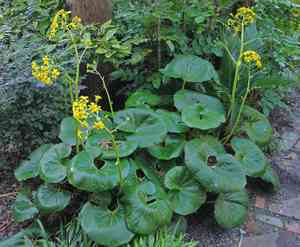
Leopard plant (Farfugium japonicum)
Also known as: Green leopard plant
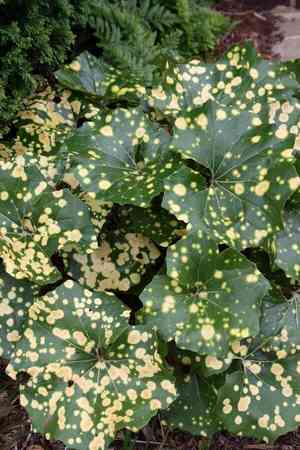
Ligularia, commonly known as the leopard plant, features striking daisy-like yellow flowers and sizable deep-green leaves adorned with golden patches. Native to the damp meadows and stream banks of Eastern Asia, this plant thrives in shaded environments, offering impressive foliage and blooms. However, it is important to note that it is prone to damage from snails and slugs.
In This Article
Attributes of Leopard plant
Lifespan
Perennial
Plant Type
Herb
Plant Height
60 cm
Spread
60 cm
Leaf Color
Green Yellow
Flower Size
2.5 cm to 5 cm
Flower Color
Yellow
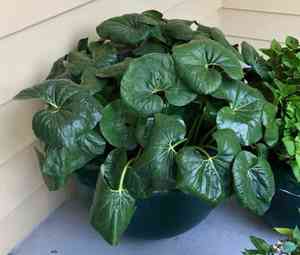
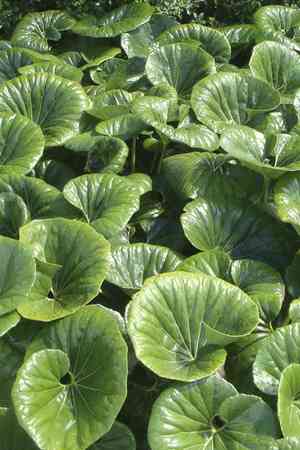
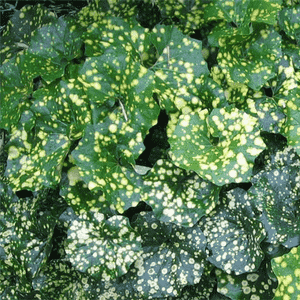
Images of Leopard plant
Quickly Identify Leopard plant
1
Large kidney-shaped leaves with glossy green surface and golden speckles, up to 12 inches (30 cm) wide.
2
Erect, fleshy stems reaching about 24 inches (60 cm) in height.
3
Eye-catching, daisy-like yellow flowers measuring 1-2 inches (2.5-5 cm) in diameter.
4
Flowers cluster on long, slender stalks above the bold foliage in late fall to mid-winter.
5
Leaves form dense, rounded mounds in a basal arrangement with distinct veining pattern.
Scientific Classification of Leopard plant
Phylum
Vascular plants
Class
Dicotyledons
Order
Asters bellflowers fanflowers and allies
Family
Daisy
Genus
Farfugium
Species
Leopard plant
Planting and Growing of Leopard plant
Care Difficulty
Easy
Watering Schedule
Every 4 days
Sunlight Requirements
Partial sun
Sunshine Duration
6-10 hours
Ideal Temperature
60-75℉
Soil Type
Potting Mix, Peat Mix
Soil pH
6.5-7.5
Fertilizer Type
Balanced
Pruning Season
Spring, Summer
Pruning Area
Branches, Leaves
Pruning Frequency
2 times a year
Repotting Season
Spring
Pot Type
Plastic, Ceramic
 How to Water Leopard plant?
The watering amount for Farfugium japonicum should be around 250 ml per session. This allows the soil to be sufficiently moist without becoming waterlogged. The goal is to keep the soil evenly damp, as too much water can lead to root rot.
More About Watering Techniques→
What are the symptoms of an underwatered Leopard plant?
›
What should I do if my Leopard plant is not getting enough water?
›
What are the symptoms of an overwatered Leopard plant?
›
How to save an overwatered Leopard plant?
›
 What Are the Sunlight Requirements for Leopard plant?
Partial sun to full shade is ideal. This light range supports healthy, green leaves and optimal bloom production, preventing the plant from stress and damage.
More About Sunlight Requirements Techniques→
How much sunlight does it need?
›
How can I achieve the ideal lighting?
›
What are the benefits of optimal lighting?
›
 What Is the Ideal Temperature Range for Leopard plant?
The ideal temperature range for Farfugium japonicum is between 60°F and 75°F. This range ensures that the plant experiences optimal metabolic rates and nutrient uptake, leading to healthy and vigorous growth. Maintaining these temperatures can help the plant to develop robust foliage and resist common stress factors.
 What Soil is Best for Leopard plant?
Farfugium japonicum thrives in soils that maintain moderate moisture. This helps keep its lush foliage vibrant and robust, avoiding stress from drought conditions. This plant excels in nutrient-rich soils. A fertile environment ensures vigorous growth and vibrant leaf coloration, making it an attractive plant for any garden. Adequate drainage is critical to preventing root rot. Ensuring the soil doesn't stay waterlogged helps maintain the plant's health and longevity.
More About Soil→
 How to Fertilize Leopard plant?
For Farfugium japonicum, apply liquid fertilizer at half the recommended dose for general houseplants. Avoid over-fertilizing as this plant prefers modest nutrient levels. For slow-release granular fertilizer, use approximately a tablespoon per plant, ensuring even distribution over the soil surface.
More About Fertilizing Techniques→
 How to Prune Leopard plant?
Begin by inspecting the plant and identifying any leaves that are brown, yellow, or showing signs of disease. These leaves should be targeted for pruning as they can sap energy from the healthy parts of the plant. Use your pruning shears to cut the identified leaves at their base, close to the main stem. Make sure the cut is clean and angled slightly to prevent water from collecting on the cut surface, which could lead to rot. After removing the damaged leaves, step back and assess the overall shape of the plant. Trim any overly long or unruly stems to maintain a balanced, attractive form. This also helps ensure even light distribution to all parts of the plant. After pruning, monitor the plant's light and water conditions closely. Pruned plants may require adjusted water and light levels to recover efficiently and continue healthy growth.
More About Pruning Techniques→
 How to Propagate Leopard plant plant?
1
Ensure the parent plant is healthy and disease-free before beginning propagation. Water it thoroughly a day before to ease division.
2
Gently dig up the plant and shake off excess soil. Use a sharp knife to divide the root clump into smaller sections, ensuring each has a part of the root system and some foliage.
3
Immediately plant the divisions in well-draining soil, positioning them at the same depth they were growing previously. Water them well after planting.
 How to Repot Leopard plant plant?
1
Farfugium japonicum signals the need for repotting when you notice root crowding or roots growing out of the drainage holes. Another sign is if the plant seems to be drying out faster than usual after watering, indicating that it has outgrown its current pot. Ideally, this plant should be repotted every two to three years, preferably in spring or autumn, when the plant is not in active growth or bloom.
2
Choose a pot that is only slightly larger than the current one, about 1-2 inches in diameter larger, to give roots room to expand without risking waterlogging. The pot should have sufficient drainage holes to prevent moisture accumulation. A ceramic or terracotta pot is beneficial as it allows the soil to 'breathe,' thereby reducing the risk of root rot and promoting healthy growth.
3
Opt for a well-draining potting mix that is rich in organic matter. The ideal mix might include peat moss, perlite, and loamy soil. This combination provides essential nutrients while ensuring adequate aeration and water drainage, preventing soil compaction and encouraging root health. Good soil balance promotes healthy foliage and vibrant growth.



