
Apache Plume (Fallugia paradoxa)
Also known as: Apache plume
The Apache Plume (Fallugia paradoxa) is part of the Rosaceae family. This resilient shrub can reach up to 1.8 meters in height and spread. Ideal for hedging, it features small white flowers topped with distinctive purplish, feathery seeds.
In This Article
Attributes of Apache Plume
Lifespan
Perennial
Plant Type
Shrub
Plant Height
2 m
Spread
1.5 m
Leaf Color
Green Blue Gray
Flower Size
5 cm
Flower Color
White
Images of Apache Plume
Quickly Identify Apache Plume
1
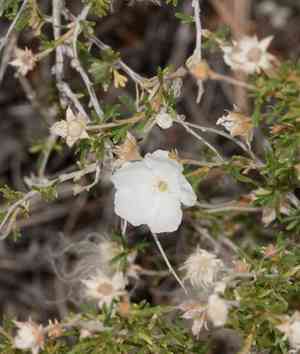
Distinctive 2-inch (5 cm) round, white saucer-shaped flowers in spring-autumn.
2
Pinkish white feathery fruit clusters persist even after seeds mature.
3
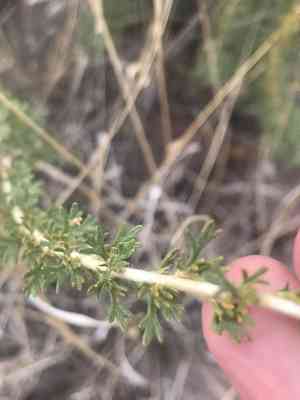
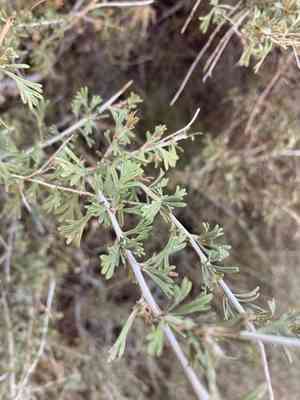
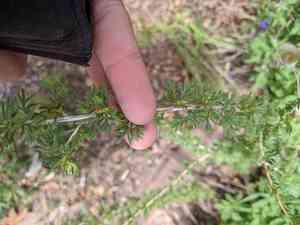
Alternate, blue-green hairy leaves with 3-7 rounded lobes.
4
Light gray to whitish peeling bark with moderate thickness, durable and adaptable.
5
Vibrant yellow-centered white petals on 1-inch (2.5 cm) five-petaled blossoms.
Scientific Classification of Apache Plume
Phylum
Vascular plants
Class
Dicotyledons
Order
Rosales
Family
Rose
Genus
Apache plume
Species
Apache Plume
Planting and Growing of Apache Plume
Care Difficulty
Easy
Watering Schedule
Every 2 days
Sunlight Requirements
Full sun
Sunshine Duration
6-10 hours
Ideal Temperature
60-85℉
Soil Type
Potting Mix, Peat Mix
Soil pH
6.5-7.5
Fertilizer Type
Balanced
Pruning Season
Spring, Summer
Pruning Area
Branches, Leaves
Pruning Frequency
2 times a year
Repotting Season
Spring
Pot Type
Plastic, Ceramic
 How to Water Apache Plume?
The recommended watering amount for Fallugia paradoxa is approximately 500 ml per session. This should be enough to soak the soil adequately without causing waterlogging. Allow the soil to dry out between watering sessions to mimic its natural arid environment.
What are the symptoms of an underwatered Apache Plume?
›
What should I do if my Apache Plume is not getting enough water?
›
What are the symptoms of an overwatered Apache Plume?
›
How to save an overwatered Apache Plume?
›
 What Are the Sunlight Requirements for Apache Plume?
Fallugia paradoxa thrives under full sun, benefiting from continuous exposure throughout the day. Ideal lighting enhances flower production, vitalizes growth, and improves the plant's resistance to adverse conditions.
More About Sunlight Requirements Techniques→
Optimal Exposure
›
Solution for Insufficient Sun
›
Benefits of Ideal Light
›
 What Is the Ideal Temperature Range for Apache Plume?
The ideal temperature range for Fallugia paradoxa, commonly known as Apache Plume, is between 60°F to 85°F. Within this range, the plant can thrive, exhibiting healthy growth and flowering. These temperatures mimic the moderate, arid conditions typically found in its native habitats across the southwestern United States and northern Mexico.
 What Soil is Best for Apache Plume?
Fallugia paradoxa thrives in well-drained soil, which ensures that water does not stagnate around its roots, preventing root rot and other water-related issues. This condition mimics its natural habitat, where rainfall is sporadic and drainage is rapid. The plant enjoys a gravelly texture in the soil, providing optimal aeration and reducing soil compaction. The loose soil texture allows its roots to expand easily and access necessary nutrients, promoting vigorous growth. This plant has adapted to grow in nutrient-poor soils, making it well-suited for areas where other plants may struggle. Its adaptability to such conditions highlights its resilience and capability to survive with minimal nutritional requirements.
 How to Fertilize Apache Plume?
For Fallugia paradoxa, it is crucial to apply a balanced liquid fertilizer diluted to half strength. Generally, about 1/4 cup of liquid fertilizer mixed into one gallon of water per application suffices. Over-fertilizing can harm this plant, so always adhere to the recommended dilution and quantities.
 How to Prune Apache Plume?
Avoid pruning just before the onset of Winter, as this can expose fresh cuts to harsh weather, potentially damaging new growth. Plan significant trims for Spring or right after flowering in Summer to maximize the plant's energy. Fallugia paradoxa provides habitat for various species. Before you prune, check for active nests or wildlife relying on the plant, and adjust trimming schedules to minimize disturbance.
More About Pruning Techniques→
 How to Propagate Apache Plume plant?
1
To propagate Fallugia paradoxa from seeds, collect mature seeds in the autumn. Ensure that the seeds are fully developed and dry for better germination success.
2
Select healthy stems for cuttings during early or late spring. Cut a section about 4-6 inches long, ensuring to cut just below a node to encourage root formation.
3
During early spring, dig up the parent plant and gently separate the clumps. Make sure each division has roots and shoots for independent growth.
 How to Repot Apache Plume plant?
1
Repotting Fallugia paradoxa is best when the plant shows signs of being root-bound, such as roots growing out of the drainage holes or a decrease in overall health. Typically, this will be evident every 2-3 years. Spring or autumn are ideal periods due to moderate temperatures which reduce transplant shock, facilitating smoother recovery.
2
Select a pot that is 1-2 inches larger in diameter than the current one. Ensure it has ample drainage holes to prevent waterlogging, which can lead to root rot. A ceramic or terracotta pot is excellent as it aids in moisture regulation and provides a sturdy support for the plant's root system.
3
For Fallugia paradoxa, it's essential to choose well-draining soil. A mix of sandy soil with some perlite or small gravel enhances drainage, preventing root rot. This type of soil mimics the plant's native arid conditions, promoting health and growth.
Learn More About Apache Plume Diseases
Anthracnose
Bacterial Leaf Spot
Black Spot
Chemical Injury
Crown Gall
Damping-off
Downy Mildew
Drought Stress
Fusarium Wilt
Gray Mold
Leaf Curl
Leaf Spot
Mosaic
Nutrient Deficiency
Nutrient Toxicity
Powdery Mildew
Root Rot
Root-knot Nematode
Rusts
Sooty Mold
Spider Mites
Temperature Stress
Thrips Damage
White Mold



