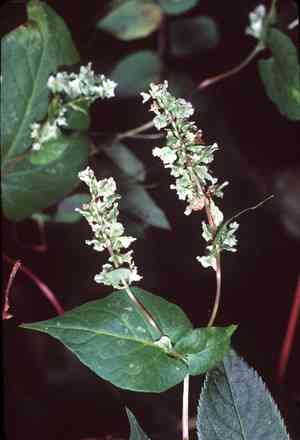
Climbing false buckwheat (Fallopia scandens)
Also known as: Climbing buckwheat
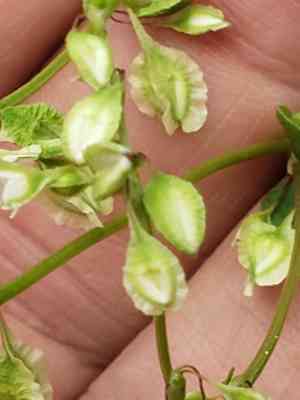
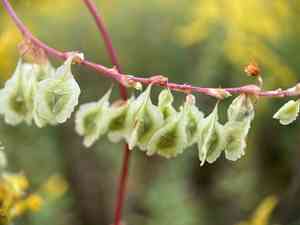
The climbing false buckwheat, a North American native vine, disperses its seeds over long distances thanks to their three papery wings, which facilitate wind transport.
In This Article
Attributes of Climbing false buckwheat
Lifespan
Perennial
Plant Type
Vine, Herb
Plant Height
91 cm to 4.5 m
Spread
Not applicable as it is a vine
Leaf Color
Green
Flower Size
5 cm to 20 cm
Flower Color
White Green Yellow Pink
Images of Climbing false buckwheat
Quickly Identify Climbing false buckwheat
1
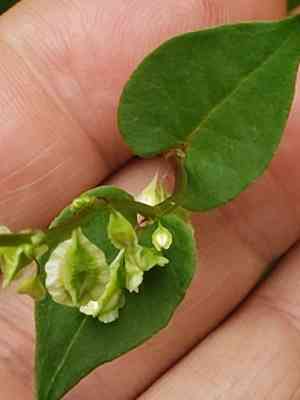
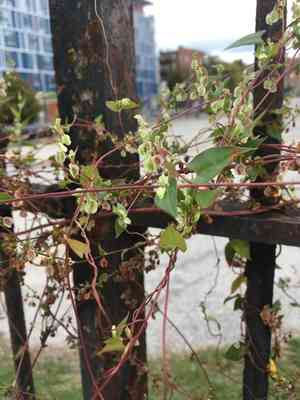
Look for a twining vine with heart-shaped leaves and wiry stems. The flowers are small and greenish-white, forming in clusters. Fruits are three-sided achenes that turn dark when mature.
Scientific Classification of Climbing false buckwheat
Phylum
Vascular plants
Class
Dicotyledons
Order
Caryophyllales
Family
Buckwheat
Genus
Fallopia
Species
Climbing false buckwheat
Planting and Growing of Climbing false buckwheat
Care Difficulty
Easy
Watering Schedule
Every 3 days
Sunlight Requirements
Partial sun
Sunshine Duration
4-6 hours
Ideal Temperature
60-75℉
Soil Type
Potting Mix, Peat Mix
Soil pH
6.5-7.5
Fertilizer Type
Balanced
Pruning Season
Spring, Summer
Pruning Area
Branches, Leaves
Pruning Frequency
2 times a year
Repotting Season
Spring
Pot Type
Plastic, Ceramic
 How to Water Climbing false buckwheat?
Fallopia scandens requires a watering amount that ensures the soil remains moist but not waterlogged. You should provide approximately 500 ml per watering session, ensuring the water reaches the root zone thoroughly. This allows the plant to absorb necessary moisture while preventing root rot. Water until the top 2 inches of soil are moist, but avoid letting the plant sit in standing water for extended periods.
What are the symptoms of an underwatered Climbing false buckwheat?
›
What should I do if my Climbing false buckwheat is not getting enough water?
›
What are the symptoms of an overwatered Climbing false buckwheat?
›
How to save an overwatered Climbing false buckwheat?
›
 What Are the Sunlight Requirements for Climbing false buckwheat?
Partial sun and full sun conditions benefit Fallopia scandens by allowing it to photosynthesize efficiently, enhancing growth and blooming while avoiding leaf burn or etiolation.
What is the ideal light condition for Fallopia scandens?
›
How can I achieve the ideal light for Fallopia scandens?
›
What are the benefits of perfect light conditions for Fallopia scandens?
›
 What Is the Ideal Temperature Range for Climbing false buckwheat?
The ideal temperature range for Fallopia scandens, commonly known as climbing buckwheat, is between 60°F and 75°F. These temperatures support optimal metabolic activities and physiological processes, ensuring healthy growth and development. Keep in mind that these conditions mimic the plant's native environment, aiding in robust foliage and flowering.
 What Soil is Best for Climbing false buckwheat?
Fallopia scandens thrives in well-drained soil, which prevents waterlogging and ensures roots receive proper aeration. This promotes healthy growth and reduces the risk of root rot. The plant prefers soil with moderate fertility, which provides necessary nutrients while avoiding excessive growth that might lead to structural weakness. While not overly demanding, soil with good moisture retention ensures that Fallopia scandens remains hydrated, especially during dry periods, supporting sustained growth and vibrant foliage.
 How to Fertilize Climbing false buckwheat?
Fallopia scandens, commonly known as climbing false buckwheat, requires moderate fertilization. When applying liquid fertilizer, dilute it to half the recommended strength to avoid over-fertilizing. Use about 1/4 to 1/2 cup of liquid fertilizer per plant every two weeks during the growing season.
 How to Prune Climbing false buckwheat?
Begin by inspecting the plant for dead, diseased, or damaged stems and remove them completely. Then, cut back any excessively long or unruly stems to maintain shape and prevent the plant from overtaking nearby plants. Use sharp, clean pruning shears to make clean cuts, ideally just above leaf nodes to promote bushier growth.
 How to Propagate Climbing false buckwheat plant?
1
Sow the seeds of Fallopia scandens in a well-draining seed mix. Cover seeds lightly with soil and keep the tray in a warm location with indirect sunlight. Maintain consistent moisture until germination.
2
In late spring, take cuttings from a mature and healthy plant. Cut a 4-6 inch segment just below a node. Remove lower leaves and dip the cut end in rooting hormone to encourage root development.
3
Place the hormone-dipped cuttings in a pot with a sterile, well-draining potting mix. Water lightly and cover with a plastic bag to maintain humidity, placing them in a warm area with indirect light.
 How to Repot Climbing false buckwheat plant?
1
Fallopia scandens shows clear signs when it's time for a move. Roots creeping out from drainage holes or a noticeably slower growth rate signal the need for a new pot. Spring or early summer, when the plant is actively growing, is ideal for repotting to minimize stress.
2
Opt for a pot that is slightly larger than the current one with adequate drainage. This size allows the roots to spread comfortably, promoting healthier growth. A pot too large can lead to excess soil retaining moisture, which can cause root rot.
3
Select a well-draining, rich loam soil. This type ensures that water flows through efficiently while retaining essential nutrients. Such soil mirrors their natural environment, reducing transplant shock and supporting vigorous vine growth.


