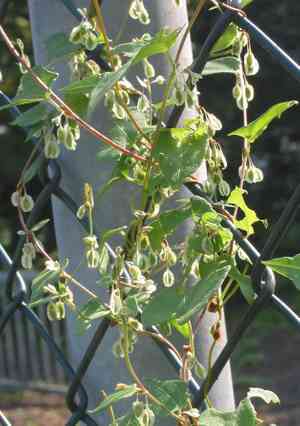
Copse Bindweed (Fallopia dumetorum)
Also known as: Great Bindweed
Copse Bindweed, or Fallopia dumetorum, is a climbing perennial herb native to Eurasia. It thrives in environments such as hedgerows, thickets, and woodland edges. This plant favors well-drained soils and often climbs over other vegetation.
In This Article
Attributes of Copse Bindweed
Lifespan
Perennial
Plant Type
Herb, Vine
Plant Height
1 m to 3 m
Spread
N/A (vine plant)
Leaf Color
Green
Flower Size
4 mm to 6 mm
Flower Color
White Green
Images of Copse Bindweed
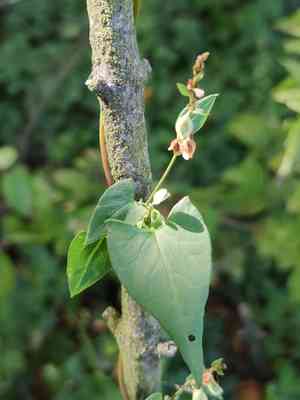
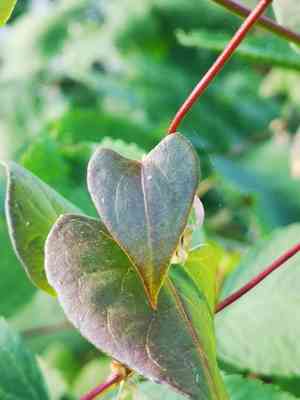
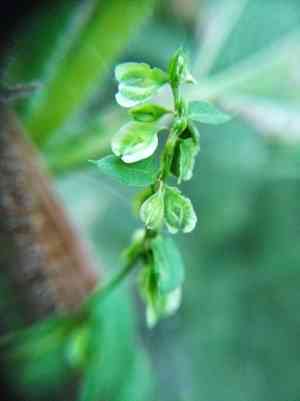
Quickly Identify Copse Bindweed
1
Fallopia dumetorum can be recognized by its twining habit, triangular or arrowhead-shaped leaves, and small, greenish-white flowers. The leaves are often heart-shaped at the base and pointed at the tip. The plant tends to climb over other vegetation or adjacent structures.
Scientific Classification of Copse Bindweed
Phylum
Vascular plants
Class
Dicotyledons
Order
Caryophyllales
Family
Buckwheat
Genus
Fallopia
Species
Copse Bindweed
Planting and Growing of Copse Bindweed
Care Difficulty
Hard
Watering Schedule
Every 2 days
Sunlight Requirements
Partial sun
Sunshine Duration
4-6 hours
Ideal Temperature
60-75℉
Soil Type
Potting Mix, Peat Mix
Soil pH
5.5-7.5
Fertilizer Type
Balanced
Pruning Season
Spring, Summer
Pruning Area
Branches, Leaves
Pruning Frequency
2 times a year
Repotting Season
Spring
Pot Type
Plastic, Ceramic
 How to Water Copse Bindweed?
When watering Fallopia dumetorum, aim to moisten the soil adequately but avoid waterlogging. A good rule of thumb is to ensure the water penetrates the top 4-6 inches of soil, which usually translates to about 300 ml per session depending on soil drainage.
What are the symptoms of an underwatered Copse Bindweed?
›
What should I do if my Copse Bindweed is not getting enough water?
›
What are the symptoms of an overwatered Copse Bindweed?
›
How to save an overwatered Copse Bindweed?
›
 What Are the Sunlight Requirements for Copse Bindweed?
The ideal light range for Fallopia dumetorum involves partial sun with morning illumination. Such conditions enhance photosynthesis, promoting lush growth and robust plant health with sufficient energy resources.
What is the best lighting condition for Fallopia dumetorum?
›
How can I ensure Fallopia dumetorum gets optimal light?
›
What benefits does ideal lighting bring?
›
 What Is the Ideal Temperature Range for Copse Bindweed?
The ideal temperature range for Fallopia dumetorum is between 60°F to 75°F. Maintaining this temperature is crucial to support its optimal growth and development. In this range, the plant can efficiently carry out photosynthesis, ensuring healthy foliage and vigorous growth. Deviation can result in stress and poor health.
 What Soil is Best for Copse Bindweed?
Fallopia dumetorum thrives in well-draining soil that prevents waterlogging, ensuring the roots get the necessary oxygen and reducing the risk of root rot. The plant benefits from a nutrient-rich soil that supports its rapid growth and vigorous stems, flourishing with adequate supplies of organic matter. A soil that retains moisture helps sustain Fallopia dumetorum during dry spells, ensuring the plant remains hydrated and continues to grow robustly.
 How to Fertilize Copse Bindweed?
Fallopia dumetorum thrives when provided with a balanced approach to its nutritional needs. It's crucial to apply a moderate amount of fertilizer, typically around 10 grams per square meter for solid fertilizers, ensuring that the roots are not overwhelmed but receive adequate nutrition for optimal growth.
 How to Prune Copse Bindweed?
Begin pruning by identifying the overgrown or damaged stems in your Fallopia dumetorum. Use sharp, clean pruning shears to make clean cuts near the base of the plant, targeting any stems that appear excessively long or scraggly. Focus on maintaining an attractive shape and avoiding any uneven growth patterns that may emerge over time.
More About Pruning Techniques→
 How to Propagate Copse Bindweed plant?
1
Begin by filling seed trays with a fine seed-starting mix, then lightly press the Fallopia dumetorum seeds into the surface. Cover them with a thin layer of soil or vermiculite and water them gently.
2
Place seed trays in a warm location with indirect sunlight. Maintain consistent moisture using a mist sprayer and check daily for seedlings emerging, which can take several weeks.
3
Once seedlings have developed a few true leaves, carefully transplant them into individual pots. Handle them by the leaves to avoid damaging the fragile stems and acclimate them gradually to outdoor conditions.
 How to Repot Copse Bindweed plant?
1
Monitor for signs like roots poking from the drainage holes, slowed growth, or loss of soil vitality. These signals indicate that it's time for repotting, especially when growth seems stunted despite good care.
2
Select a pot that is about 2 inches larger in diameter than the current one. Ensure it has ample drainage holes to prevent waterlogging. A pot of the right size prevents excessive soil retention, which can hamper the roots.
3
Opt for a well-draining soil mix with a good balance of loam, peat, and perlite. This mixture allows air to reach the roots while efficiently draining excess water, reducing the risk of root rot.
Learn More About Copse Bindweed Diseases
Anthracnose
Bacterial Leaf Spot
Bacterial Wilt
Black Spot
Chemical Injury
Damping-off
Downy Mildew
Drought Stress
Fusarium Wilt
Gray Mold
Leaf Spot
Mosaic
Nutrient Deficiency
Nutrient Toxicity
Powdery Mildew
Root Rot
Root-knot Nematode
Rusts
Sooty Mold
Spider Mites
Temperature Stress
Thrips Damage
White Mold



