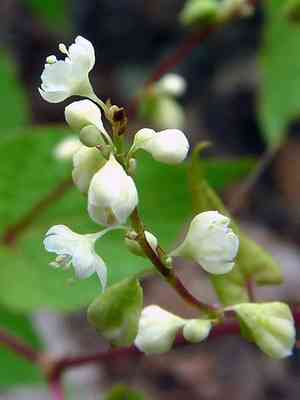
Black bindweed (Fallopia convolvulus)
Also known as: Cornbind, Climbing buckwheat
Black bindweed, once utilized by Bronze Age Eurasians, is now mainly seen as a troublesome weed. Its propensity to wrap around other plants makes it particularly damaging, complicating gardening efforts and hindering the harvesting of commercial crops. This pervasive plant thrives in diverse environments, from sea level to the heights of the Himalayas.
In This Article
Attributes of Black bindweed
Lifespan
Annual
Plant Type
Vine, Herb
Plant Height
1 m
Spread
N/A
Leaf Color
Green
Flower Size
2.5 cm
Flower Color
White Pink Green
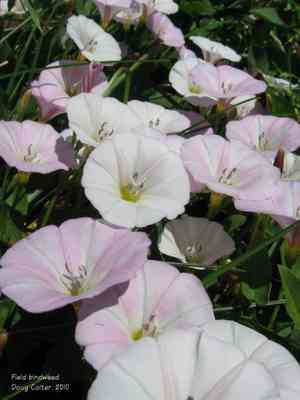
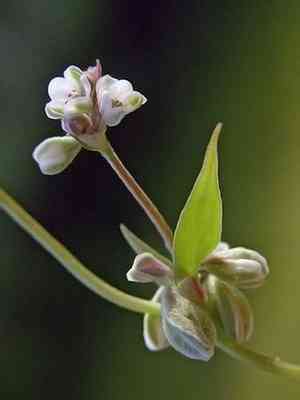
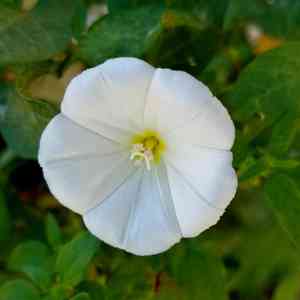
Images of Black bindweed
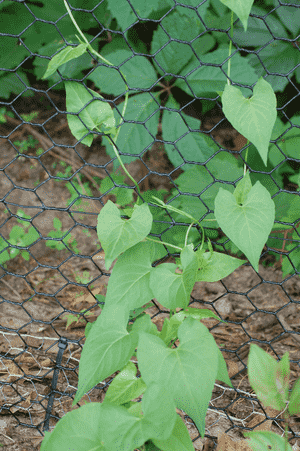
Quickly Identify Black bindweed
1
This plant can be identified by its heart-shaped leaves, small greenish flowers, and characteristic climbing or twining growth habit. The stems are often reddish and the seeds are small and dark.
Scientific Classification of Black bindweed
Phylum
Vascular plants
Class
Dicotyledons
Order
Caryophyllales
Family
Buckwheat
Genus
Fallopia
Species
Black bindweed
Planting and Growing of Black bindweed
Care Difficulty
Easy
Watering Schedule
Every 4 days
Sunlight Requirements
Full sun
Sunshine Duration
6-12 hours
Ideal Temperature
60-75℉
Soil Type
Potting Mix, Peat Mix
Soil pH
5.5-8.5
Fertilizer Type
Balanced
Pruning Season
Spring, Summer
Pruning Area
Branches, Leaves
Pruning Frequency
2 times a year
Repotting Season
Spring
Pot Type
Plastic, Ceramic
 How to Water Black bindweed?
Fallopia convolvulus prefers to have its soil kept consistently moist but not waterlogged. To achieve this, aim to water until water starts draining from the bottom of the pot. A typical watering amount is about 250 ml per session, ensuring that the roots receive adequate moisture without being submerged in excess water.
What are the symptoms of an underwatered Black bindweed?
›
What should I do if my Black bindweed is not getting enough water?
›
What are the symptoms of an overwatered Black bindweed?
›
How to save an overwatered Black bindweed?
›
 What Are the Sunlight Requirements for Black bindweed?
Fallopia convolvulus does best in full to partial sun conditions, receiving around 6 to 8 hours of daily sunlight. Ideal light can improve the plant's growth rate, leaf color, and overall vitality, enhancing its resilience to environmental stressors.
Preferred Sunlight Conditions
›
Solution for Ideal Lighting
›
Benefits of Optimal Light
›
 What Is the Ideal Temperature Range for Black bindweed?
The ideal temperature range for Fallopia convolvulus is between 60°F and 75°F. This range ensures optimal growth and health as it supports key physiological processes such as photosynthesis. Maintaining temperatures within this range allows the plant to efficiently utilize nutrients and water, leading to robust growth.
 What Soil is Best for Black bindweed?
Fallopia convolvulus thrives best in well-drained soil, as it prevents waterlogging which can lead to root rot. This condition ensures the plant receives adequate oxygen and nutrients, promoting healthier growth. The plant prefers soil with moderate moisture. While it needs water to grow, excessive moisture can harm it. Balanced moisture levels help maintain plant vigor and prevent wilting. Adding organic matter to the soil provides Fallopia convolvulus with essential nutrients. It enhances soil structure and fertility, boosting the plant's overall health and resilience against pests.
 How to Fertilize Black bindweed?
For Fallopia convolvulus, using about half the manufacturer's recommended dose is usually sufficient. It is a hardy plant that doesn’t require heavy fertilization, thus keeping the fertilizer dose low prevents nutrient burn.
 How to Prune Black bindweed?
Start by identifying and cutting away dead or damaged stems at their base. This encourages the plant to channel energy to healthier and more vigorous growth points. Cut back any overly rampant shoots or those encroaching on surrounding plants. This helps in maintaining a tidy appearance and prevents overcrowding, allowing better air circulation. Trim back the ends of vines to maintain the desirable shape and encourage fuller, bushier growth. Regular shaping can enhance the aesthetic appeal of the plant in your garden.
 How to Propagate Black bindweed plant?
1
Gather mature seeds from the plant in late summer to early autumn when they have dried sufficiently. Store them in a cool, dry place until ready for planting to maintain viability.
2
Sow seeds in trays filled with potting mix; place them at a depth about twice their diameter. Maintain consistent moisture and cover with plastic to create a greenhouse effect. Ensure seeds are spaced adequately to avoid overcrowding.
3
Once seedlings have several true leaves, they are ready for transplanting. Harden them off by placing them outside for gradual exposure to sunlight and temperature changes before planting in the ground.
 How to Repot Black bindweed plant?
1
Fallopia convolvulus should be repotted when you notice the roots growing out from the drainage holes, or when the plant's growth seems stunted despite adequate care. These signs indicate that the plant has outgrown its current pot and requires more space to flourish.
2
Select a pot that is one size larger than the current one, with good drainage holes. Using a slightly larger pot ensures that the roots have enough room to expand while preventing waterlogging, which can lead to root rot. The material of the pot, whether clay or plastic, should also allow for breathability.
3
Use a well-draining loam soil that retains some moisture but doesn't stay waterlogged. Such soil ensures that the roots receive adequate moisture and nutrients while preventing issues related to overwatering. Adding organic matter can enhance the soil structure and provide essential nutrients.



