Falcataria (Falcataria) (Falcataria)
Also known as: Moluccan albizia, Molucca albizia, Formosa koa, Broad-leaved wattle
Falcataria, a genus in the legume family Fabaceae, includes three species of flowering plants. These species connect various regions, spanning the wet tropics of northeastern Australia, New Guinea, the Moluccas, the Bismarck Archipelago, and the Solomon Islands. This distribution pattern is similar to other plant groups in the area, extending east of Wallace's line.
In This Article
Attributes of Falcataria (Falcataria)
Lifespan
Perennial
Plant Height
Up to 30 meters
Spread
Spreading, up to 10 meters
Leaf Color
Green
Flower Size
Up to 1 cm
Flower Color
Creamy white
Images of Falcataria (Falcataria)
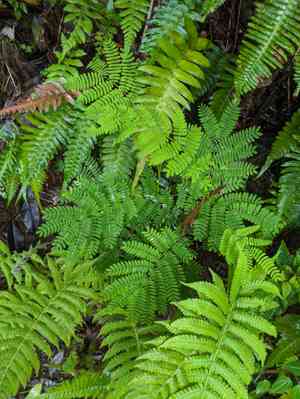
Quickly Identify Falcataria (Falcataria)
1
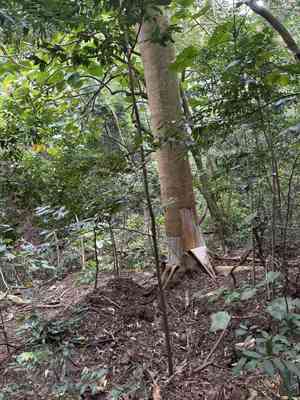
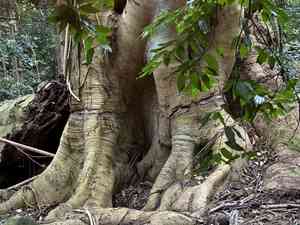
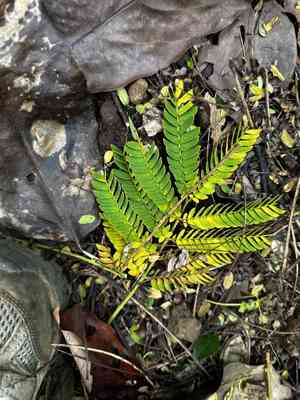
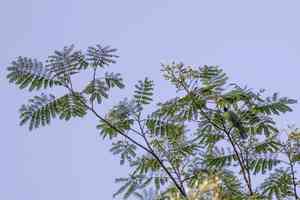
Falcataria can be identified by its rapid growth, distinct bipinnate compound leaves, smooth light-colored bark, and spreading canopy. The leaves are finely divided and feathery, giving the tree a lace-like appearance.
Scientific Classification of Falcataria (Falcataria)
Phylum
Magnoliophyta
Class
Magnoliopsida
Order
Fabales
Family
Fabaceae
Genus
Falcataria
Planting and Growing of Falcataria (Falcataria)
Care Difficulty
Easy
Watering Schedule
Every 2 days
Sunlight Requirements
Full sun
Sunshine Duration
8-12 hours
Ideal Temperature
70-85℉
Soil Type
Potting Mix, Peat Mix
Soil pH
6-7.5
Fertilizer Type
Balanced
Pruning Season
Spring, Summer
Pruning Area
Branches, Leaves
Pruning Frequency
2 times a year
Repotting Season
Spring
Pot Type
Plastic, Ceramic
 How to Water Falcataria (Falcataria)?
Falcataria prefers to have moist but not waterlogged soil. Watering should aim for a balance where the first 2-3 inches of soil are kept moist, but excess water should drain out to avoid root rot.
What are the symptoms of an underwatered Falcataria (Falcataria)?
›
What should I do if my Falcataria (Falcataria) is not getting enough water?
›
What are the symptoms of an overwatered Falcataria (Falcataria)?
›
How to save an overwatered Falcataria (Falcataria)?
›
 What Are the Sunlight Requirements for Falcataria (Falcataria)?
Falcataria is best suited for full sun to partial sun exposure. This range supports its metabolic activities, ensuring healthy growth, vibrant foliage, and efficient energy production.
How much sunlight does Falcataria need?
›
Where should I place my Falcataria for ideal light?
›
What are the benefits of optimal lighting conditions?
›
 What Is the Ideal Temperature Range for Falcataria (Falcataria)?
Falcataria thrives in temperatures ranging from 70 to 85°F, providing the warmth necessary for its metabolic activities. Maintaining this range ensures robust growth and prevents thermal stress, promoting overall plant health.
 What Soil is Best for Falcataria (Falcataria)?
Falcataria thrives in well-drained loam soil which retains enough moisture but drains excess water quickly. This is crucial for preventing root rot, allowing the roots to access the necessary nutrients and oxygen they need for healthy growth. A soil rich in organic matter fuels the robust growth of Falcataria. Adding compost may enhance the nutrient profile, thus providing essential minerals that lead to lush greenery and increased resilience against diseases. Ensuring moderate soil moisture is important for Falcataria, as it prevents drought stress without the risk of overwatering. This moisture balance supports steady growth and sustains the plant's health and vitality.
 How to Fertilize Falcataria (Falcataria)?
For Falcataria, use about half a cup of balanced granular fertilizer for each application. Ensure the fertilizer is evenly distributed over the root zone to promote uniform growth. Over-fertilization can damage the roots, so it's crucial to measure carefully.
 How to Prune Falcataria (Falcataria)?
Focus on removing dead or diseased branches first. Cut these back to healthy wood, ideally at a 45-degree angle to encourage water runoff and prevent rot. If branches cross each other, choose the healthier or better-positioned one to keep, removing the other. Trim the branches to maintain a balanced and aesthetically pleasing canopy. This not only improves the plant's appearance but also ensures better light penetration and airflow through the foliage, which promotes healthier growth.
 How to Propagate Falcataria (Falcataria) plant?
1
Start by preparing a soil mixture that is well-draining and rich in organic material. This ensures that the seeds or cuttings have ample nutrients and drainage for optimal growth.
2
For seed propagation, evenly disperse the seeds in the seed tray, covering them lightly with soil. This ensures good soil-seed contact, which is essential for germination.
3
Choose healthy stems about 6 inches long from a mature Falcataria plant for cuttings. Make sure to cut just below a node for the best chance of root growth.
 How to Repot Falcataria (Falcataria) plant?
1
Watch for signals like roots emerging from the drainage holes or the plant appearing top-heavy and wilting quickly after watering. These indicate it's time to repot your Falcataria.
2
Select a pot that is slightly larger than the current one, with adequate drainage holes to prevent waterlogging. This ensures the roots have enough room to grow, promoting healthy plant development.
3
Opt for a loamy, well-draining soil mix to avoid water retention. This type of soil provides necessary nutrients and aeration while preventing root rot.
Learn More About Falcataria (Falcataria) Diseases
Anthracnose
Bacterial Leaf Spot
Bacterial Wilt
Crown Gall
Cyst Nematode
Damping-off
Downy Mildew
Drought Stress
Fusarium Wilt
Gray Mold
Leaf Spot
Mosaic
Nutrient Deficiency
Nutrient Toxicity
Powdery Mildew
Root Rot
Root-knot Nematode
Rusts
Sooty Mold
Spider Mites
Temperature Stress
Thrips Damage
White Mold
Chemical Injury

