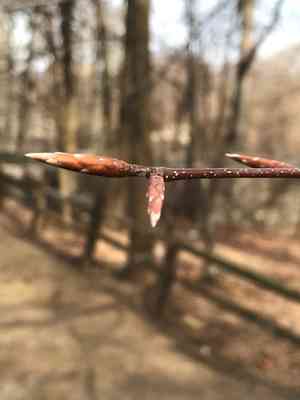
Beeches (Fagus) (Fagus)
Also known as: Beech
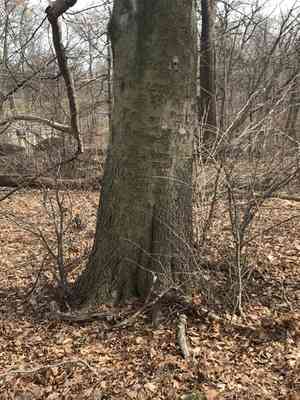
Beech trees are notable deciduous trees characterized by their smooth, gray bark and broad, spreading branches. A unique feature of these trees is their tendency to retain some of their dead leaves through the winter months. The wood of beech trees is known for its durability and strength, making it ideal for various uses. Before the advent of chainsaws, felling beech trees was a challenging task due to the wood's toughness. Humans have utilized beech wood extensively for furniture, flooring, cabinetry, and as a reliable source of firewood.
In This Article
Attributes of Beeches (Fagus)
Lifespan
Perennial
Plant Height
30 to 40 meters (98 to 131 feet)
Spread
15 to 25 meters (49 to 82 feet)
Leaf Color
Green in spring and summer, turning golden brown in autumn
Flower Size
2.5 cm
Flower Color
Yellow-green
Images of Beeches (Fagus)
Quickly Identify Beeches (Fagus)
1
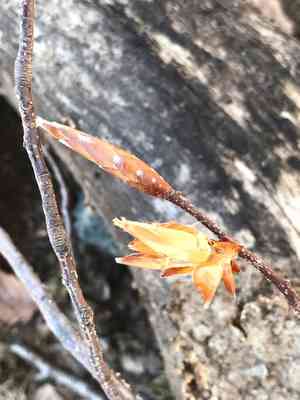
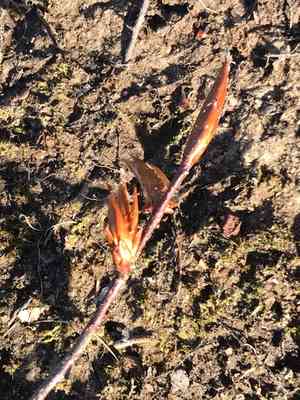
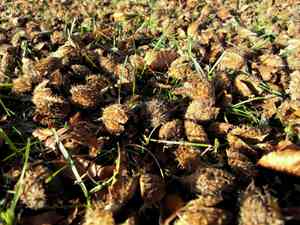
Beech trees can be identified by their smooth gray bark, simple, broad leaves with entire or toothed margins and distinctive, triangular nuts encased in a spiny husk.
Scientific Classification of Beeches (Fagus)
Phylum
Tracheophyta
Class
Magnoliopsida
Order
Fagales
Family
Fagaceae
Genus
Fagus
Planting and Growing of Beeches (Fagus)
Care Difficulty
Moderate
Watering Schedule
Every 3 days
Sunlight Requirements
Partial sun
Sunshine Duration
4-8 hours
Ideal Temperature
60-70℉
Soil Type
Potting Mix, Peat Mix
Soil pH
6-7.5
Fertilizer Type
Balanced
Pruning Season
Spring, Summer
Pruning Area
Branches, Leaves
Pruning Frequency
2 times a year
Repotting Season
Spring
Pot Type
Plastic, Ceramic
 How to Water Beeches (Fagus)?
When watering Fagus, aim to provide approximately 2000 ml to thoroughly moisten the root zone. Ensure that the water penetrates into the soil evenly, reaching a depth where roots can effectively absorb moisture. This watering depth is crucial for promoting healthy root growth and preventing waterlogging.
What are the symptoms of an underwatered Beeches (Fagus)?
›
What should I do if my Beeches (Fagus) is not getting enough water?
›
What are the symptoms of an overwatered Beeches (Fagus)?
›
How to save an overwatered Beeches (Fagus)?
›
 What Are the Sunlight Requirements for Beeches (Fagus)?
Fagus ideally thrives in partial sunlight conditions. This light range supports photosynthesis and plant nourishment while preventing sun damage. Access to balanced light allows for optimal growth cycles and foliage density.
What is Fagus's optimal sunlight requirement?
›
How to achieve the ideal light conditions for Fagus?
›
What benefits does Fagus experience from ideal sunlight?
›
 What Is the Ideal Temperature Range for Beeches (Fagus)?
The ideal temperature range for Fagus, commonly known as beech trees, is between 60°F and 70°F. This range ensures optimal growth by providing suitable conditions for photosynthesis, nutrient uptake, and metabolic processes. Maintaining these temperatures supports healthy leaf development and a robust root system, contributing to the overall vitality of the plant.
 What Soil is Best for Beeches (Fagus)?
Fagus trees thrive in soil that is rich in nutrients. These essential nutrients play a crucial role in the plant's growth and overall health, ensuring that the tree can flourish robustly and produce lush foliage. Good drainage is key for the survival of Fagus trees, as it prevents root rot caused by waterlogging. Well-drained soil ensures that the roots receive adequate oxygen, promoting strong tree development and resilience against diseases. Although well-drained, the soil should also retain moisture to sustain Fagus during dry spells. Moisture-retentive soil supplies consistent hydration, which is critical during growth periods, leading to vibrant and healthy trees.
 How to Fertilize Beeches (Fagus)?
For Fagus, or beech trees, a balanced fertilizer with an NPK ratio of about 10-10-10 is ideal. Apply approximately 0.5 pounds per inch of trunk diameter to ensure adequate nutrition without overfeeding. This translates to spreading the fertilizer evenly within the tree's drip line to properly nourish the tree without causing damage to the roots.
 How to Prune Beeches (Fagus)?
Do not remove more than 30% of the tree's foliage in one season. Over-pruning can weaken the tree, making it more susceptible to pests and diseases. Always aim for a natural aesthetic rather than a strict, geometric shape. While pruning, keep an eye out for signs of pests like leaf spots or unusual bumps on the bark. Early detection during pruning can help manage pest problems before they become severe. Be mindful of the seasonal environment when pruning. Spring and summer cuts should be lighter to avoid stressing the tree during its most active growing seasons, whereas late fall might require more substantial cuts as the tree prepares for dormancy.
 How to Propagate Beeches (Fagus) plant?
1
Harvest seeds from mature Fagus trees in autumn when the seeds are fully ripe. Ensure to collect seeds before they dry out or are eaten by wildlife, as fresh seeds have higher germination rates.
2
Select healthy, semi-hardwood cuttings from the current season’s growth. Cut about 10-15 cm long, ensuring there are at least a few leaf nodes on each cutting to improve rooting chances.
3
For layering, bend a low branch to the ground and cover a section with soil, leaving the tip exposed. Secure it in place with a peg or stone, and in time, roots will form where the branch touches the soil.
 How to Repot Beeches (Fagus) plant?
1
Fagus needs repotting when you see roots growing out of the pot's drainage holes or when the soil stays damp for too long, indicating poor drainage. These signals usually appear every couple of years. Spring and autumn are ideal seasons as they provide mild temperatures essential for minimizing stress.
2
Choose a pot that is only a slightly larger than the current one, ideally 2-3 inches in diameter larger. This prevents excessive soil moisture that can lead to root rot. A pot with good drainage holes is essential to avoid waterlogging, promoting healthier root growth and aeration.
3
Select a loamy, well-drained soil rich in organic matter. This type of soil provides the necessary nutrients and prevents water from accumulating around the roots. Its structure supports proper aeration, ensuring that your Fagus tree maintains robust health and avoids root diseases.
Toxicity
ingestion
WARNING
The judgment on toxicity and danger is for reference only. We DO NOT GUARANTEE any accuracy of such judgment. Therefore, you SHALL NOT rely on such judgment. It is IMPORTANT TO SEEK PROFESSIONAL ADVICE in advance when necessary.

