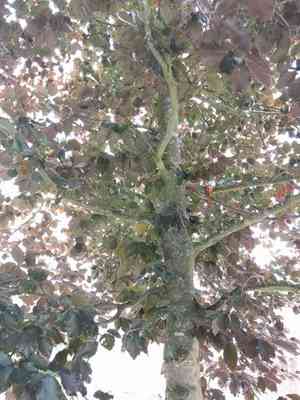
European beech (Fagus sylvatica)
Also known as: Dwarf Beech, Weeping Beech, Copper beech
European beech (Fagus sylvatica) is a significant deciduous tree, frequently planted for its ornamental value. Known for its dense canopy and excellent shade tolerance, it often outcompetes other trees in its habitat. The wood of European beech is highly prized and versatile, commonly used in furniture making, musical instruments, construction, firewood, charcoal, and plywood.
Attributes of European beech
Images of European beech
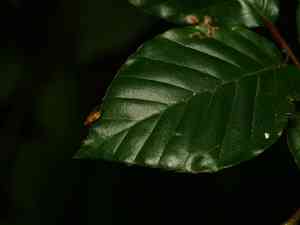

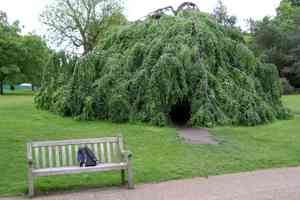
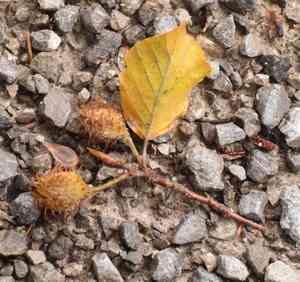
Quickly Identify European beech
Scientific Classification of European beech
Planting and Growing of European beech
 How to Water European beech?
 What Are the Sunlight Requirements for European beech?
 What Is the Ideal Temperature Range for European beech?
 What Soil is Best for European beech?
 How to Fertilize European beech?
 How to Prune European beech?
 How to Propagate European beech plant?
 How to Repot European beech plant?
Toxicity of European beech
Is European beech toxic to cat?
European beech presents a moderate toxic threat to cats. Exposure typically happens when a cat consumes portions of the plant, especially the fruits, which are notably harmful. If a cat ingests these components, it may show symptoms of physical discomfort, including gastrointestinal issues or other ailments. In any suspected case of poisoning from european beech, it is crucial to quickly obtain care at a veterinary facility to safeguard the cat's health.
Is European beech toxic to dog?
The European beech tree presents a moderate level of toxicity risk to dogs, especially when they consume its fruits. Ingesting parts of this plant can result in poisoning in dogs, which may manifest through a range of symptoms associated with toxic exposure. Pet owners need to be alert for indicators like vomiting, diarrhea, abdominal discomfort, or more serious symptoms that might indicate systemic issues. Should a dog display any of these signs following exposure to European beech, it is crucial to obtain prompt veterinary attention to secure the best possible recovery for the animal.



