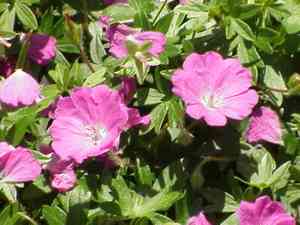
Fagonbushes (Fagonia) (Fagonia)
Also known as: Dhamasa, Virgin’s Mantle
Fagonbushes belong to the genus **Fagonia** within the Zygophyllaceae family, which includes around 35 species of wild, flowering plants. These plants are found in various regions, including Africa, the Mediterranean Basin, the Middle East, India, and parts of the Americas.
In This Article
Attributes of Fagonbushes (Fagonia)
Lifespan
Annual, Perennial
Plant Height
20-50 cm
Spread
Typically spreads to about 30-60 cm
Leaf Color
Green
Flower Size
5-10 mm
Flower Color
Pink or Purple
Images of Fagonbushes (Fagonia)
Quickly Identify Fagonbushes (Fagonia)
1
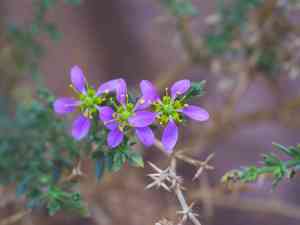
Fagonia plants can be identified by their small, star-shaped flowers, which are typically pink or purple. The leaves are small and usually trifoliate (with three leaflets). The plants often have spiny branches.
Scientific Classification of Fagonbushes (Fagonia)
Phylum
Magnoliophyta
Class
Magnoliopsida
Order
Zygophyllales
Family
Zygophyllaceae
Genus
Fagonia
Planting and Growing of Fagonbushes (Fagonia)
Care Difficulty
Moderate
Watering Schedule
Every day
Sunlight Requirements
Full sun
Sunshine Duration
6-10 hours
Ideal Temperature
60-77℉
Soil Type
Potting Mix, Peat Mix
Soil pH
6.5-8
Fertilizer Type
Balanced
Pruning Season
Spring, Summer
Pruning Area
Branches, Leaves
Pruning Frequency
2 times a year
Repotting Season
Spring
Pot Type
Plastic, Ceramic
 How to Water Fagonbushes (Fagonia)?
Fagonia plants are adapted to thrive in arid environments, so they require minimal water. Aim for about 100 milliliters per watering session. It's crucial to mimic their natural environment by keeping the soil slightly dry between waterings. Ensure water reaches the roots without causing waterlogging.
What are the symptoms of an underwatered Fagonbushes (Fagonia)?
›
What should I do if my Fagonbushes (Fagonia) is not getting enough water?
›
What are the symptoms of an overwatered Fagonbushes (Fagonia)?
›
How to save an overwatered Fagonbushes (Fagonia)?
›
 What Are the Sunlight Requirements for Fagonbushes (Fagonia)?
Fagonia prefers full to partial sun exposure. Ideal sunlight boosts photosynthesis, key for growth and flowering, enhancing overall plant resilience.
What is the best light condition for Fagonia?
›
How to ensure ideal lighting for Fagonia?
›
Benefits of ideal lighting for Fagonia
›
 What Is the Ideal Temperature Range for Fagonbushes (Fagonia)?
Fagonia thrives best when temperatures are maintained between 60°F and 77°F. This range provides a balanced environment fostering healthy growth and optimal physiological functions.
 What Soil is Best for Fagonbushes (Fagonia)?
Fagonia thrives in well-drained soil, which prevents root rot and ensures that the plant receives adequate oxygen. The aerated environment helps with nutrient uptake, promoting healthy growth. While Fagonia is adapted to survive in nutrient-poor environments, it benefits from a nutrient-rich substrata that supports its growth and enhances its natural resilience against pests and diseases. Fagonia prefers slightly alkaline soils, around pH 7.0 to 8.0, which enhances mineral availability and optimizes the plant's physiological functions, leading to robust growth.
 How to Fertilize Fagonbushes (Fagonia)?
For Fagonia, it's important to supply nutrients judiciously. Use a balanced 10-10-10 NPK fertilizer, applying about 1 tablespoon per gallon of water for liquid feeding. Avoid over-fertilizing as this plant prefers leaner, arid soil conditions.
 How to Prune Fagonbushes (Fagonia)?
Begin by identifying and removing any dead or damaged branches. This not only clears space for healthier growth but also helps prevent disease. Trim back overgrown stems to maintain a balanced shape. Cut just above a node to encourage new shoots. This contributes to a bushier and more visually appealing plant. After pruning, clear away any fallen leaves or branches. This reduces the risk of pests and diseases that thrive on plant debris.
 How to Propagate Fagonbushes (Fagonia) plant?
1
Use a well-draining potting mix enriched with organic matter. The soil should be sterilized to eliminate pathogens that could affect seed germination or cutting health.
2
Scatter seeds evenly on the surface of the prepared soil. Cover them lightly with a thin layer of soil or vermiculite and water gently to settle the soil without displacing the seeds.
3
Select healthy stems and cut them below a node. Remove lower leaves and plant them in potting mix. Keep the cuttings in a humid environment to encourage rooting.
 How to Repot Fagonbushes (Fagonia) plant?
1
Repot your Fagonia when you notice roots growing out of the drainage holes or above the soil surface. Another signal is stunted growth despite regular care. Spring or early summer is ideal because the plant is in a growth phase, allowing it to recover more rapidly.
2
Opt for a pot slightly larger than the current one, with good drainage holes. Clay pots are preferred as they allow moisture to evaporate, preventing root rot. A pot too large retains excess water, leading to potential issues for Fagonia.
3
Select a well-draining, gritty soil mix to prevent waterlogging. A cactus-specific mix is ideal, allowing excess water to escape quickly. This type of soil helps replicate the Fagonia's natural arid environment, promoting healthy root development.
Learn More About Fagonbushes (Fagonia) Diseases
Bacterial Leaf Spot
Bacterial Soft Rot
Bacterial Wilt
Crown Gall
Cyst Nematode
Damping-off
Downy Mildew
Drought Stress
Fusarium Wilt
Gray Mold
Leaf Spot
Mosaic
Nutrient Deficiency
Nutrient Toxicity
Powdery Mildew
Root Rot
Root-knot Nematode
Rusts
Sooty Mold
Spider Mites
Temperature Stress
Thrips Damage
White Mold

