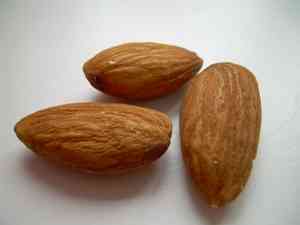
Common pearlbrush (Exochorda racemosa)
Also known as: Pearlbush, Common Pearlbush
The *Exochorda racemosa*, commonly known as the common pearlbrush, belongs to the rose family and is predominantly found in China and Japan. Its name comes from its pearl-like flowers that bloom in late spring.
In This Article
Attributes of Common pearlbrush
Lifespan
Perennial
Plant Type
Shrub
Plant Height
3 m to 5 m
Spread
3 m to 4.5 m
Leaf Color
Green
Flower Size
2.5 cm to 3.5 cm
Flower Color
White
Images of Common pearlbrush
Quickly Identify Common pearlbrush
1
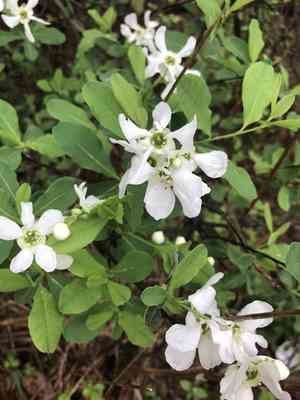
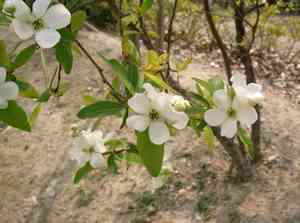
Distinct white flowers resembling pearls, borne in racemous clusters on slender stems.
2
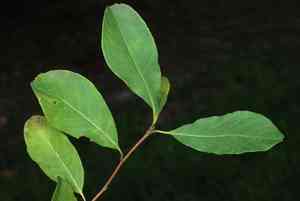
Leaf shape 'batman-like' with tooth on each side, mucronate with smooth edges below midsection.
3
Fruit is green-brown top-shaped capsule, dehiscently releasing seeds upon maturity.
4
Medium green leaves, elliptic-oblong to obovate, with cuneate base and mucronate tip.
5
Round, slender stem with lenticels and fissures, measuring 0.2-0.4 inches (0.5-1 cm) in diameter.
Scientific Classification of Common pearlbrush
Phylum
Vascular plants
Class
Dicotyledons
Order
Roses, elms, figs, and allies
Family
Rose
Genus
Pearl bushes
Species
Common pearlbrush
Planting and Growing of Common pearlbrush
Care Difficulty
Easy
Watering Schedule
Every 4 days
Sunlight Requirements
Full sun
Sunshine Duration
4-8 hours
Ideal Temperature
60-70℉
Soil Type
Potting Mix, Peat Mix
Soil pH
6.5-7.5
Fertilizer Type
Balanced
Pruning Season
Spring, Summer
Pruning Area
Branches, Leaves
Pruning Frequency
2 times a year
Repotting Season
Spring
Pot Type
Plastic, Ceramic
 How to Water Common pearlbrush?
When watering Exochorda racemosa, aim to provide about 500 milliliters each session. This amount ensures the soil is sufficiently moistened without becoming soggy, allowing the roots to access the necessary moisture while preventing water stagnation.
What are the symptoms of an underwatered Common pearlbrush?
›
What should I do if my Common pearlbrush is not getting enough water?
›
What are the symptoms of an overwatered Common pearlbrush?
›
How to save an overwatered Common pearlbrush?
›
 What Are the Sunlight Requirements for Common pearlbrush?
Exochorda racemosa grows best in full to partial sun conditions. The ideal light range enhances blooming and foliage vibrancy while promoting healthy growth and increasing resilience against environmental stressors.
More About Sunlight Requirements Techniques→
How much sun does Exochorda racemosa need?
›
How to achieve the ideal lighting conditions?
›
What are the benefits of ideal lighting?
›
 What Is the Ideal Temperature Range for Common pearlbrush?
Exochorda racemosa thrives best in temperatures ranging from 60°F to 70°F. This range allows for optimal metabolic processes and photosynthesis, supporting healthy growth and vibrant blossoms. In a stable environment within this range, the plant is less vulnerable to stress and pest infestations.
 What Soil is Best for Common pearlbrush?
Exochorda racemosa thrives best in well-drained soil as it helps prevent waterlogging, which can lead to root rot. This condition ensures that the roots receive adequate oxygen, promoting healthy plant growth and vibrant blooms. The plant does well in soil with moderate moisture levels. Maintaining such moisture ensures that the plant can sustain its hydration needs without the risk of fungal infections common in overly wet soils. Rich in essential nutrients, loam and sandy loam allow Exochorda racemosa to access necessary minerals. These nutrients support lush foliage and robust flowering, enhancing the aesthetic appeal of the plant.
 How to Fertilize Common pearlbrush?
For Exochorda racemosa, an appropriate fertilizer amount is crucial to ensure healthy growth. Use approximately half a tablespoon of balanced 10-10-10 liquid fertilizer every two weeks during its growing season. For slow-release granules, apply once at the start of the season around the plant's base, following manufacturer's instructions for rates based on plant size.
 How to Prune Common pearlbrush?
Begin by inspecting the shrub for any dead or diseased branches. Use a pair of sharp pruning shears to cut off these branches at their base, which helps prevent the spread of pathogens. Thin out the interior branches to improve air circulation. This process helps reduce the chances of fungal diseases developing, particularly in dense, humid shrubbery. After the plant has finished flowering, trim back old flowering stems to a healthy set of buds. This encourages the plant to produce new blooms and maintains an appealing shape.
More About Pruning Techniques→
 How to Propagate Common pearlbrush plant?
1
Choose a healthy and mature plant to take cuttings or seeds from. This ensures the new plants have a good genetic start and are more likely to thrive.
2
Use pruning shears to cut a 4-6 inch piece of stem. Remove the lower leaves to prevent rot and dip the cut end in rooting hormone before planting.
3
Bend a low growing stem to the ground, scarify it slightly, and bury the portion under the soil. This allows roots to form while still attached to the parent plant.
 How to Repot Common pearlbrush plant?
1
The ideal time to repot Exochorda racemosa is when you see roots growing out of the drainage holes, or if growth becomes stunted. Another signal could be if the soil dries out faster than usual. These signs suggest the plant has outgrown its current pot and needs more space.
2
Select a pot that's at least 2 inches larger in diameter than the current one, with good drainage holes. The size ensures enough space for root growth, while proper drainage prevents waterlogging, which can lead to root rot. A slightly heavier pot might also be beneficial to support the plant's weight.
3
Use a well-draining loamy soil mix to ensure proper drainage and aeration. Loamy soil retains enough moisture for the plant's needs, while excess water drains away, preventing root rot. Adding perlite or sand can further improve drainage, making it ideal for Exochorda racemosa.
Learn More About Common pearlbrush Diseases
Anthracnose
Bacterial Leaf Spot
Black Spot
Chemical Injury
Crown Gall
Damping-off
Downy Mildew
Drought Stress
Fire Blight
Fusarium Wilt
Gray Mold
Leaf Curl
Leaf Spot
Mosaic
Nutrient Deficiency
Nutrient Toxicity
Powdery Mildew
Root Rot
Root-knot Nematode
Rusts
Sooty Mold
Spider Mites
Temperature Stress
Thrips Damage
White Mold



