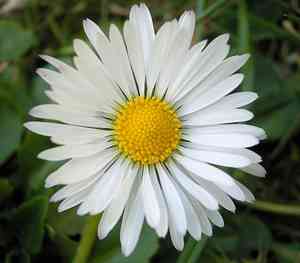
Bushy goldentop (Euthamia leptocephala)
Also known as: Bushy goldenrod
Goldenrod (Solidago spp.) is a hardy perennial herb known for its slim, upright stems and narrow, lance-shaped foliage. Its vibrant golden-yellow flower heads form clusters at the tops of the stems, creating a striking display. Flourishing in open, sunny environments, goldenrod is adaptable to different soil types and attracts pollinators, enhancing the natural beauty of the landscape.
In This Article
Attributes of Bushy goldentop
Lifespan
Perennial
Plant Type
Herb
Plant Height
30 cm to 91 cm
Spread
50-80 cm
Leaf Color
Green
Flower Size
5-10 mm
Flower Color
Yellow
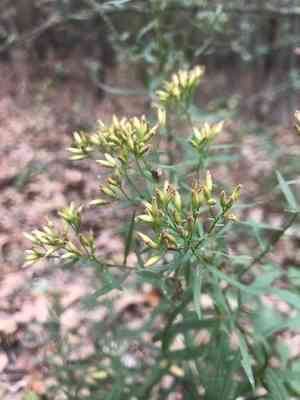
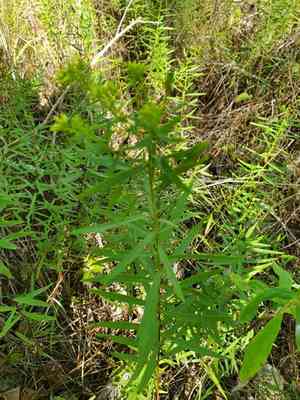
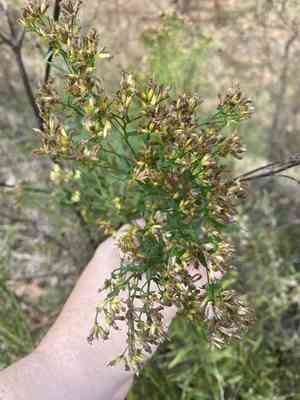
Images of Bushy goldentop
Quickly Identify Bushy goldentop
1
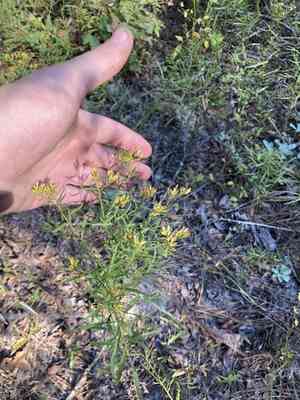
Euthamia leptocephala can be identified by its linear to lance-shaped leaves and clusters of small, bright yellow flowers. The leaves are typically hairless and have a smooth edge. The plant commonly branches extensively, forming a bushy appearance.
Scientific Classification of Bushy goldentop
Phylum
Vascular plants
Class
Dicotyledons
Order
Asterales
Family
Daisy
Genus
Goldentops
Species
Bushy goldentop
Planting and Growing of Bushy goldentop
Care Difficulty
Easy
Watering Schedule
Every 4 days
Sunlight Requirements
Full sun
Sunshine Duration
4-8 hours
Ideal Temperature
60-75℉
Soil Type
Potting Mix, Peat Mix
Soil pH
6.5-7.5
Fertilizer Type
Balanced
Pruning Season
Spring, Summer
Pruning Area
Branches, Leaves
Pruning Frequency
2 times a year
Repotting Season
Spring
Pot Type
Plastic, Ceramic
 How to Water Bushy goldentop?
Euthamia leptocephala prefers moderately moist soil. Each time you water, aim for about 250 ml to ensure the soil is thoroughly saturated but not waterlogged. Always allow the top inch of soil to dry out between waterings to prevent root rot.
What are the symptoms of an underwatered Bushy goldentop?
›
What should I do if my Bushy goldentop is not getting enough water?
›
What are the symptoms of an overwatered Bushy goldentop?
›
How to save an overwatered Bushy goldentop?
›
 What Are the Sunlight Requirements for Bushy goldentop?
Euthamia leptocephala flourishes in full sun to partial sun environments. Ideal lighting ensures vigorous growth, vibrant green foliage, and a more fruitful flowering season, achieving its optimal ornamental impact.
What kind of sunlight does Euthamia leptocephala prefer?
›
How can you achieve ideal lighting for Euthamia leptocephala?
›
What are the benefits of optimal lighting for Euthamia leptocephala?
›
 What Is the Ideal Temperature Range for Bushy goldentop?
Euthamia leptocephala thrives best within a temperature range of 60 to 75°F. Maintaining this range promotes optimal growth and flowering. The plant benefits from moderate warmth, as extreme temperatures can ascertain stress or hinder its life cycle.
 What Soil is Best for Bushy goldentop?
Euthamia leptocephala thrives in well-drained soils which prevent waterlogging, ensuring the plant's roots get enough oxygen and reducing the risk of root rot. Soils enriched with organic matter support the vigorous growth of Euthamia leptocephala by providing essential nutrients, promoting lush foliage and vibrant flowering. A balanced moisture retention capacity in soil helps maintain consistent hydration levels, crucial for Euthamia leptocephala during dry periods while avoiding excessive wetness.
 How to Fertilize Bushy goldentop?
Euthamia leptocephala prefers a balanced fertilization routine with careful attention to not overdo it. Use a diluted liquid fertilizer at half the recommended strength to avoid nutrient overload. For slow-release fertilizers, sprinkle a light layer, about a few tablespoons around the base, ensuring it's mixed well with the topsoil.
 How to Prune Bushy goldentop?
Begin by removing any dead or damaged stems at the base to open up the plant for better air circulation. Trim back leggy growth, focusing on maintaining the plant's natural shape. Aim to cut stems at a 45-degree angle just above a node to encourage new growth. Regularly inspect the plant for signs of disease or pest infestation. Remove affected areas promptly during pruning sessions to prevent the spread and maintain the plant’s health.
More About Pruning Techniques→
 How to Propagate Bushy goldentop plant?
1
Choose mature and healthy seeds from a reliable source. The seeds should be free from any signs of disease or pests, which ensures better chances of successful germination.
2
Select young, healthy shoots from the plant. Cut a 4-6 inch section just below a node, remove the lower leaves, and dip the end in rooting hormone to encourage root development.
3
Plant the seeds in prepared soil with adequate spacing, or plant cuttings in a mixture of perlite and peat moss. Ensure they are lightly covered with soil and well-watered.
 How to Repot Bushy goldentop plant?
1
Euthamia leptocephala shows the need for repotting when you observe slowed growth or see roots emerging from the drainage holes. The ideal time is during its active growth period in spring or early summer, as this provides ample recovery time.
2
Choose a pot that is one size larger than the current one, with adequate drainage holes. This prevents waterlogging and allows the roots space to grow, promoting healthier growth and reducing the risk of root rot.
3
Opt for well-draining sandy loam soil to ensure sufficient aeration and prevent water retention. This soil type closely mimics the plant's natural growing conditions, providing the best support for nutrient uptake and root health.



